Destinations Tag

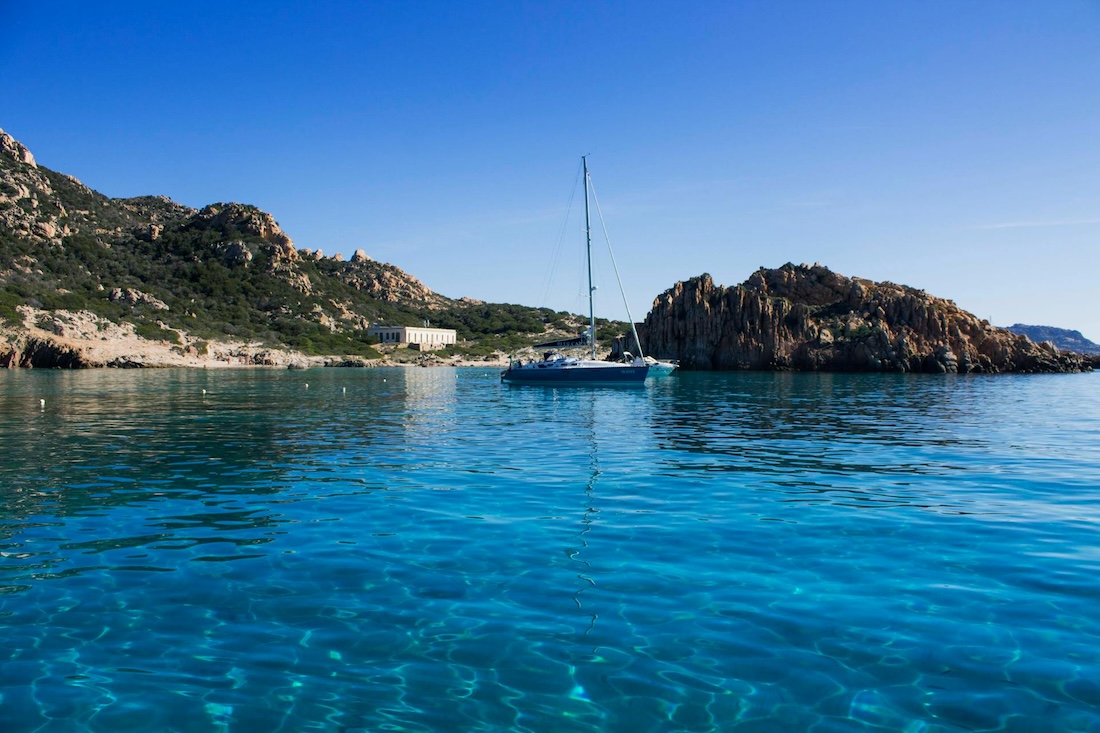
View of a sailboat in clear water, Sardinia

11 Feb A Year in Italy: Places We’re Looking Forward to Visiting in 2026

For most of 2026, we’re going to be living in Italy.

We’re currently based in Udine, in the Friuli Venezia Giulia region, and this year gives us something quite rare in our line of work: time. Time to stay in one place a little longer, to return to regions we know well and look at them more carefully, and to explore others we’ve been meaning to understand better for years.

Some of our travel this year is directly connected to the tours we already run. Some of it is research for future itineraries. And some of it is simply about seeing Italy with fresh eyes, without rushing from one appointment to the next.

Rather than compiling a grand “must-see” list, we thought we’d share a handful of regions that are very much on our radar in 2026, and what draws us to each of them.

Friuli Venezia Giulia

Being based in Friuli Venezia Giulia has given us the chance to spend time in places we might otherwise only pass through. We’ve been taking short trips into the Julian Alps, heading up to towns like Tarvisio and Malborghetto, enjoying the mountain scenery and the feeling of openness that comes with being so close to the border regions.
One city I’m particularly looking forward to getting to know better is Trieste. For centuries, it was the main port of the Austro-Hungarian Empire, and that layered history is still evident today in its regal architecture, broad squares, and elegant cafés. Set right on the sea, with a long waterfront promenade and a slightly different rhythm to much of Italy, it’s a place that appears both Italian and distinctly its own.
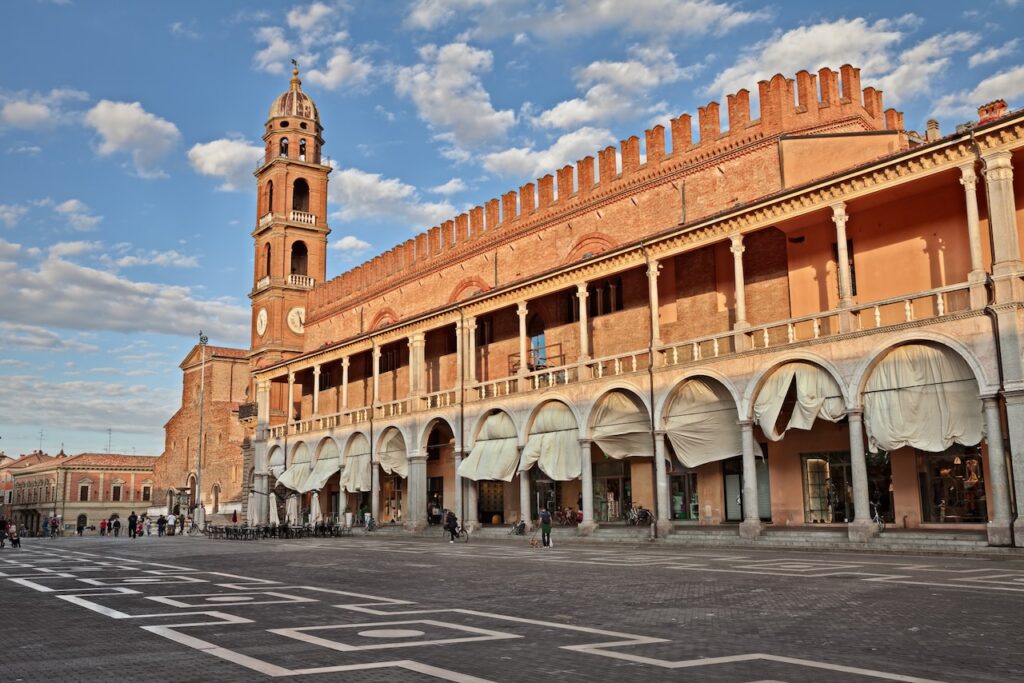
 

Piazza del Popolo in Faenza, Emilia Romagna

Faenza

Emilia-Romagna

We’ll also be spending time in Emilia-Romagna this year as we prepare for our new tour in the region. We’re heading to Bologna in the coming weeks to reacquaint ourselves with the city and to revisit some of our favourite places. Bologna is fiercely proud of its culinary traditions; this is, after all, the home of tagliatelle al ragù, tortellini and mortadella, and that deep respect for traditional food culture is at the heart of the city.
Beyond Bologna, we’ll be spending time in the Romagna hills and in Faenza. Faenza has been associated with ceramics since the Renaissance, and even gave its name to “faience”, the tin-glazed pottery that was exported across Europe for centuries. Today, the city is not only attractive in its own right but home to a remarkable number of ceramic workshops, where traditional techniques sit comfortably alongside contemporary work. It’s a place where craft is still part of everyday life, and we’re looking forward to spending time there.

Sardinia

Sardinia is a place we’ve been curious about for a long time, but haven’t yet had the chance to explore properly. What draws us to it is the sense that it sits a little apart from the rest of Italy, defined by layers of history that feel quite distinct. The Nuragic civilisation, dating from roughly the Bronze Age (around 1800–500 BCE), is unique to the island, and that’s just one chapter in a long story that also includes Phoenician, Roman and later Spanish influences.
From what we’ve read and heard, Sardinia offers a striking mix of landscapes and cultures, from mountainous interiors and small rural communities to long coastlines defined by fishing and trade. Its food is often described as simple and closely tied to local produce, influenced by both pastoral life and the sea. We’re very much looking forward to getting to know it for ourselves.

The Dolomites

Every visit to the Dolomites is a reminder of just how beautiful this part of Italy is. As the weather warms up, we’re looking forward to spending more time there and getting to know the area on foot. Walking is one of the best ways to experience the Dolomites, allowing you to move through the landscape at a gentle pace and really take in the scale and variety of the scenery.
We’re currently considering a more walking-focused tour in the Dolomites. Not long or demanding hikes, but manageable walks, balanced with good local food and wine, and excursions to visit cultural sites and small local producers. It’s about spending time in the landscape without feeling hurried, and experiencing the region in a style that feels relaxed and well-rounded.
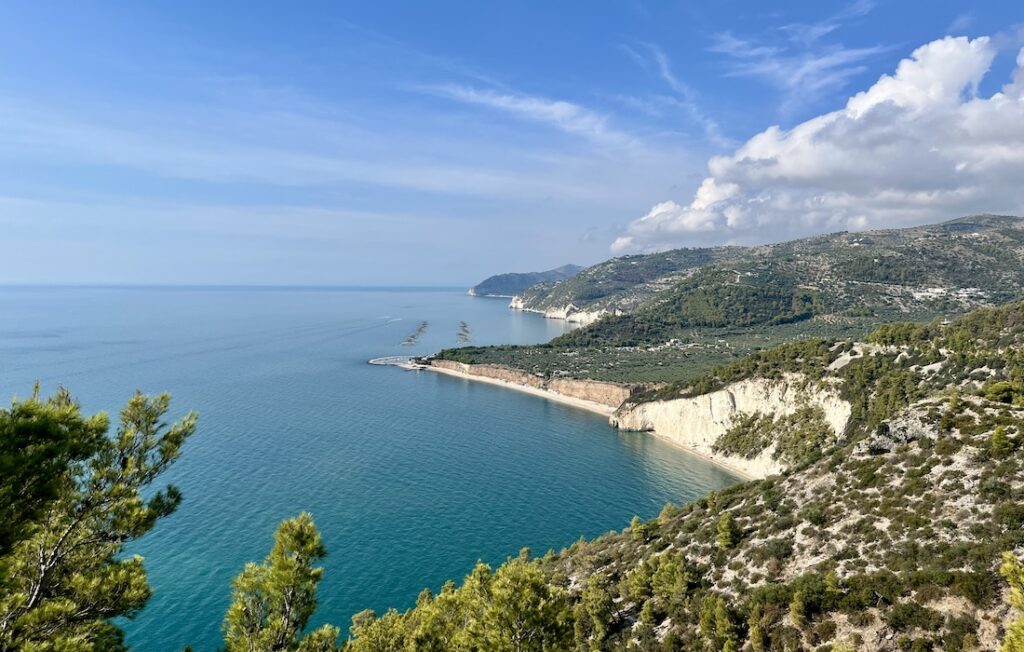
Puglia summer coastal view

The Gargano coast

Puglia

And finally, Puglia. This is a region that continues to draw us back, for the warmth of the hospitality, the coastline, and the quality of the local food. Over the year ahead, we’ll be revisiting different parts of the region, from the Gargano Peninsula in the north to the Adriatic coast around Polignano a Mare and Bari, always with an eye to small details and new experiences.
Returning to Puglia year after year helps us make small, practical decisions about pacing, route choices, and where to spend our time.

Thinking of travelling with us in 2026?

If you’d like to experience Puglia with us, our 2026 The Road Less Travelled – Puglia tour still has limited availability for September and October departures.

Or join us in Emilia-Romagna in September 2026 as we explore Bologna, the Romagna hills and the region’s remarkable food traditions.

Read More
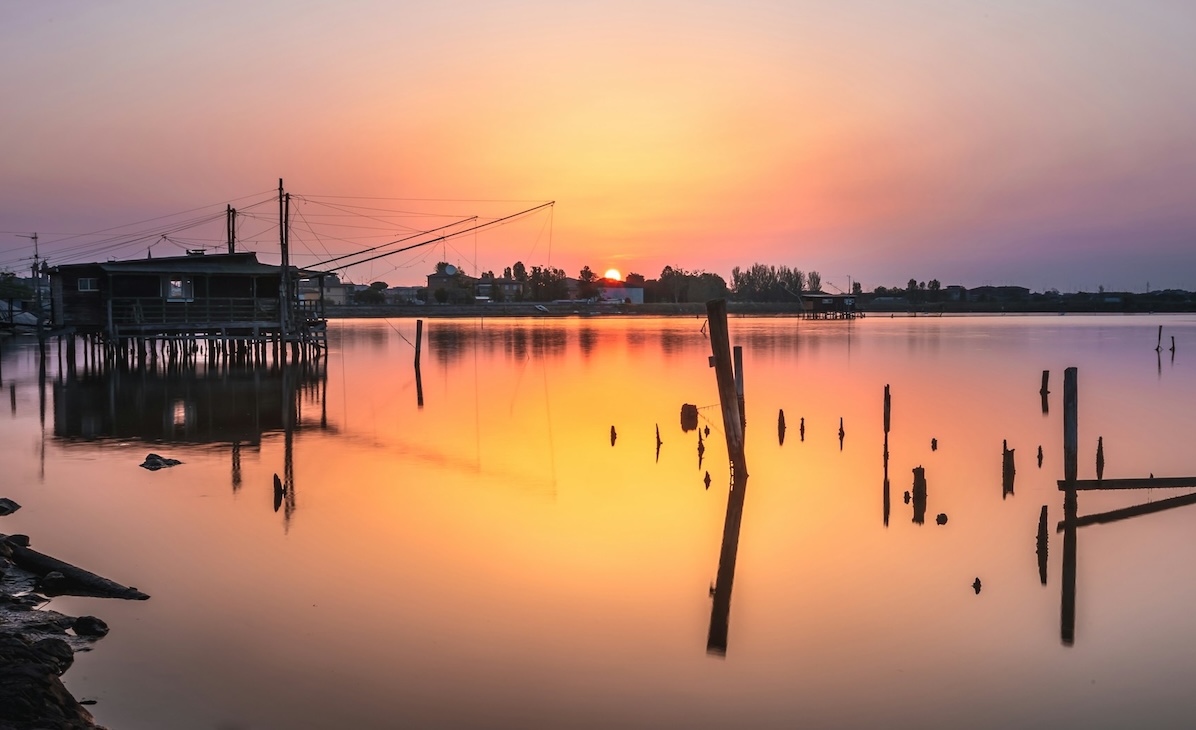
Traditional fishing huts and wooden posts reflected in the Po Delta wetlands at sunset, with warm orange and pink light over the lagoon

11 Dec Comacchio and the Po Delta: Discovering Emilia-Romagna’s Quiet Lagoon Town

Comacchio and the Po Delta: Discovering Emilia-Romagna’s Quiet Lagoon Town

Italy is celebrated for its famous cities, yet some of its most memorable places are the quieter ones where everyday life moves at its own pace. Comacchio, a small lagoon town in Emilia-Romagna, is one of these rare spots. Spread across thirteen low islands and shaped by canals and graceful brick bridges, it’s often compared to Venice, though it has a character entirely its own. Just beyond the town lies the Po Delta, one of Europe’s most significant wetland landscapes and a fascinating contrast to the region’s better-known highlights.

A Lagoon Town Shaped by Water

Comacchio is located just north of Ravenna and has been linked to its lagoon for centuries. Its relative isolation helped preserve the historic centre’s character: long stretches of water, quiet lanes with no cars, and a deep sense of calm as you walk from bridge to bridge.

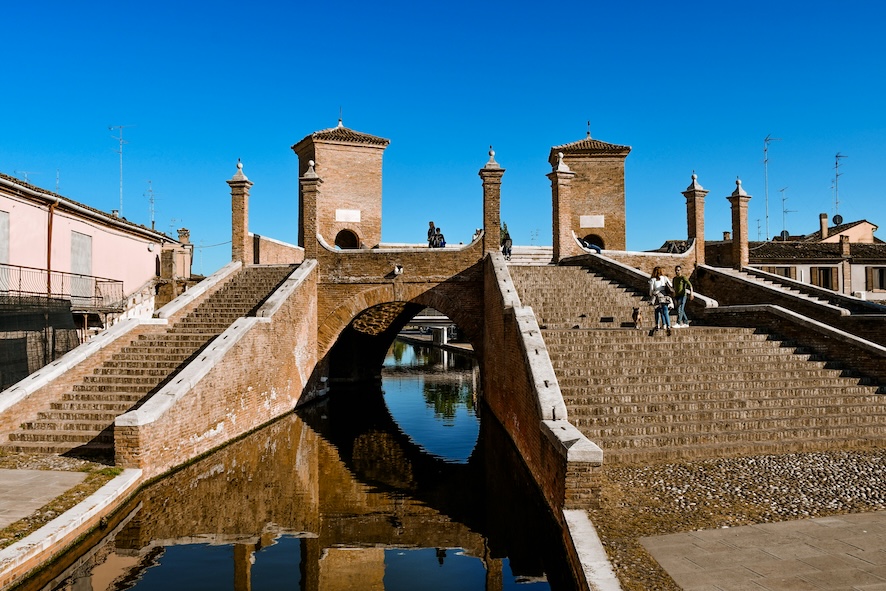
The town’s most recognisable landmark is the Trepponti, built in the 1630s as a fortified gateway to the lagoon. With its staircases, brick arches, and view of the canals, it remains the natural starting point for any visit. From here, a gentle wander leads you along the Canale Maggiore, past Palazzo Bellini, and across the Ponte degli Sbirri beside the old fish market. Comacchio’s centre is compact and easy to explore at a relaxed pace, making it ideal for travellers seeking an authentic slice of Emilia-Romagna.

The Trepponti bridge in Comacchio, with its brick staircases, towers and arches reflected in the canal under a clear blue sky

Exploring the Po Delta: A UNESCO Wetland Landscape

Just outside the town lies the Valli di Comacchio, part of the wider Po Delta Park and recognised as a UNESCO World Heritage site. The Po Delta is one of the most important wetland environments in Europe: wide open skies, strips of land dividing shallow waters, and an extraordinary range of birdlife.

Pink flamingos are the highlight for many visitors. They gather in impressive numbers across the lagoons, a striking sight in any season. The wetlands also support herons, egrets, stilts and a variety of migratory birds, making this one of the best birdwatching destinations in Italy. The colours change throughout the year too, from the deep red of autumn glasswort to the pale pinks of tamarisk lining the water channels.

Scattered around the delta are the casoni, traditional fishermen’s huts built from wood and reeds. These simple structures recall a time when fishermen spent long months in the lagoon catching the prized local eel. They offer a window into a way of life that shaped the culture of Comacchio for generations.

Local Food and Traditions

Eel has long been at the heart of Comacchio’s identity. It’s still prepared in traditional ways – grilled, marinated or slowly cooked in broth – and features prominently in local dishes. For travellers unsure about eel, the wider region offers plenty of alternatives from the Adriatic: clams, prawns, and bluefish, often served simply and paired with Vini delle Sabbie, wines grown in the sandy coastal soils.

This connection between land, water and tradition is part of what makes Comacchio such a compelling place to visit. It offers a quieter, more genuine perspective on life in Emilia-Romagna.

Exploring Comacchio with Italian Tours

As part of our Unexpected Riches: Emilia-Romagna Tour 2026, we spend a full day exploring this beautiful corner of the region. After a gentle walk through Comacchio, we board a small private vessel accompanied by a local guide who knows the waterways well. Travelling in a smaller boat means we can navigate the narrow channels and get closer to the landscape and birdlife without disturbing the calm of the lagoon. We finish the morning with a traditional lunch, enjoying the dishes that have defined this area for centuries.

If you’re interested in discovering the lesser-known side of Emilia-Romagna – and experiencing Comacchio and the Po Delta with a knowledgeable local guide – you may like to take a look at our 2026 journey.

Read More
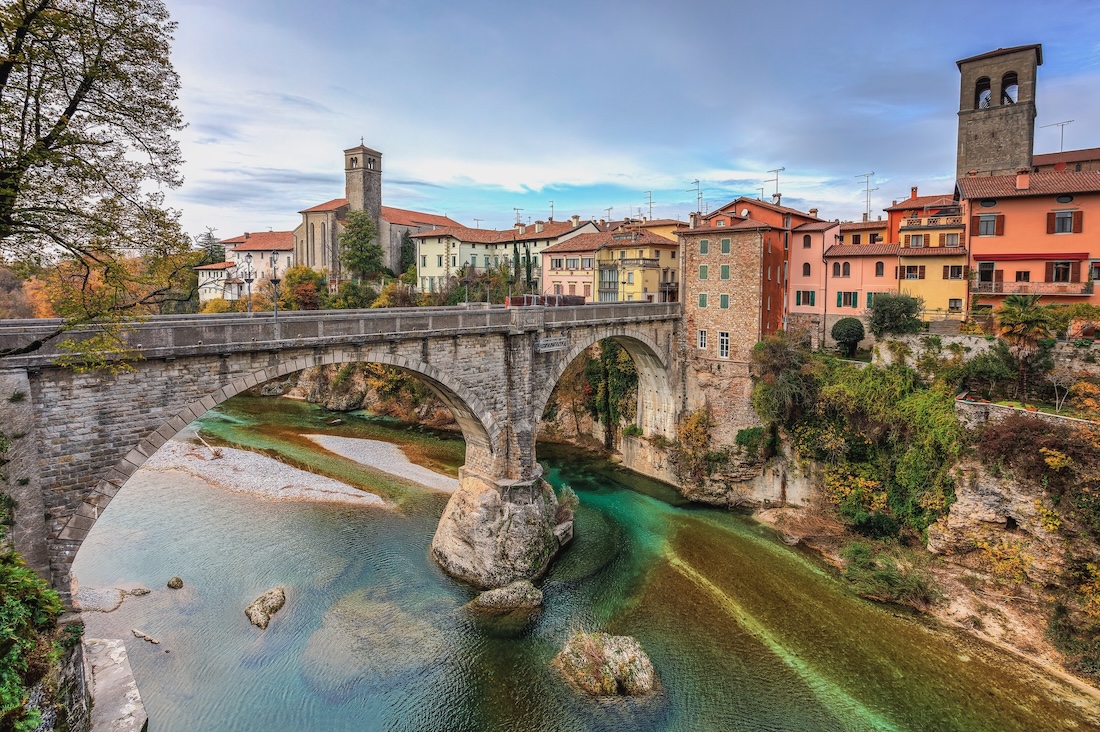
Historic stone Devil’s Bridge in Cividale del Friuli crossing the clear Natisone River with medieval buildings behind it.

02 Dec Why Friuli Venezia Giulia Is Italy’s Best Kept Secret – Clone

Why Friuli Venezia Giulia Is Italy’s Best Kept Secret


A Region of Remarkable Landscapes

Tucked away in the far north east of Italy, where the Alps ease into gentle plains and finally the Adriatic Sea, Friuli Venezia Giulia is one of the country’s most overlooked regions. Its landscapes are unusually varied. The foothills north of Sacile offer peaceful hilltowns, chestnut woods and turquoise lakes such as Barcis and Cavazzo. Higher up, the Julian Alps show a more alpine character, with wooden chalets, meadows and the beautiful ridgeline around Monte Lussari.

A short drive south takes you to a completely different setting of wide lagoons, sandy beaches and coastal towns shaped by centuries of Venetian influence.

History Written Across the Centuries

Friuli’s history stretches from ancient Rome to the medieval Longobards and through the eras of Venice and the Habsburg Empire. Aquileia was once one of the most important cities of the Roman world and today preserves a remarkable fourth-century mosaic floor, one of the most impressive in Europe.

Cividale del Friuli, founded by Julius Caesar, later became the capital of the Longobard Duchy and is home to the Tempietto Longobardo, considered a masterpiece of early medieval architecture. Across the plains, towns such as Portogruaro and Sacile still show their Venetian heritage in arcaded streets and elegant waterside villas. Further east, Gorizia and Trieste reflect their long connection with the Habsburgs and have a distinctive Mitteleuropean feel.

A Food and Wine Culture Worth Travelling For

Food and wine are central to life in Friuli. The Collio hills produce some of Italy’s best cool-climate wines, including Friulano, Ribolla Gialla and the red Refosco. Vineyards sit in neat terraces, and tastings often feel more like relaxed conversations than formal appointments.

In the mountains, the Montasio Plateau is known for its DOP cheese, produced in small alpine dairies. Prosciutto di San Daniele, rustic soups, handmade pastas and fresh seafood from the coast round out a cuisine that is simple, seasonal and firmly tied to the region.

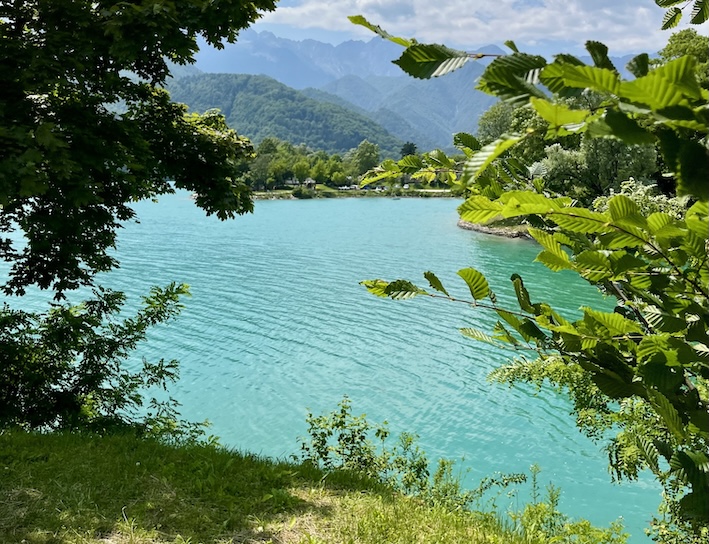
Turquoise waters of Lake Barcis framed by green trees and mountain peaks in Friuli Venezia Giulia.

The turquoise waters of Lake Barcis in the foothills north of Sacile.

Authentic Italy at a Relaxed Pace

One of Friuli’s great attractions is its authenticity. This is a part of Italy where life moves at a quieter rhythm, well away from the major tourist routes. Mornings are spent in small piazzas, afternoons wandering medieval lanes or walking by the lakes, and evenings enjoying good local food and a glass of wine. It suits travellers who prefer smaller towns, gentle walks and meaningful cultural experiences rather than big crowds or hurried sightseeing.

The Ideal Time to Visit Friuli

September is one of the most appealing months to explore the region. Days are generally mild to warm, evenings are cool in the foothills, and the light is clear, ideal for sightseeing and spending time outdoors. Vineyards are in full harvest, the sea is still warm, and the mountains are especially inviting.

Explore Friuli with Us

If you’re drawn to a quieter, more authentic side of Italy, our new small-group tour of Friuli Venezia Giulia offers a relaxed way to experience its landscapes, history, food and culture. We’d be delighted to show you this remarkable region.

You can find all the details of our Friuli Venezia Giulia tour here


Read More

14 Aug A POSTCARD FROM OTRANTO, PUGLIA

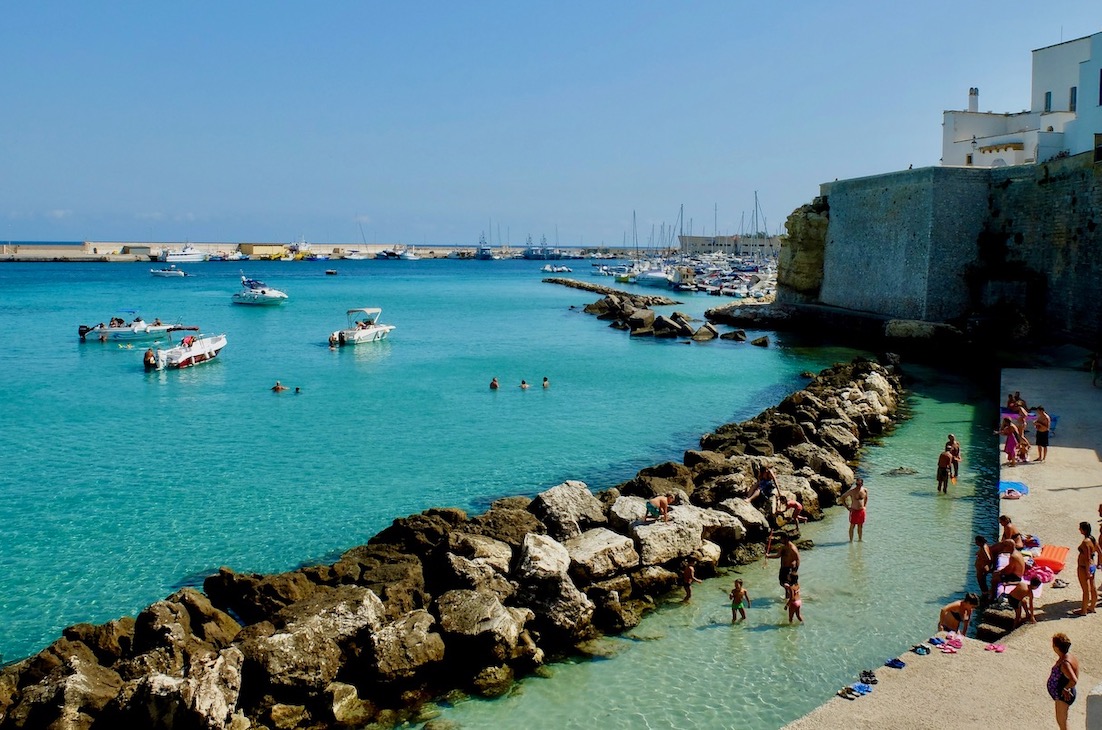
The walled port city of Otranto in Puglia is Italy’s most eastern town. On a clear day, if you gaze out from the city’s walls across the Adriatic, you can make out the coast of Albania and the mountain ranges of Mount Çika. Just as mesmerising is the view from Otranto’s walls of the crystal clear turquoise waters. The town’s outlook, its history, and charming nature make it well worth visiting. 

Founded by the Messapians, the town has a history of occupation that includes the Greeks, the Romans and the Normans. One of its most colourful periods was in the 11th century when it became a leading Crusader port. 

It is also remembered for a more macabre chapter when, in 1480, the Ottomans invaded and looted the citadel. Legend has it that they sacked the city, killing twelve thousand people, and then went on to massacre the eight hundred survivors who had sought refuge in the cathedral and refused to renounce their Christianity. Historians disagree on the story’s veracity, but it was good enough for the church. Pope Clementine XIV beatified the eight hundred martyrs in 1771, and they were canonised by Pope Francis in 2013. 

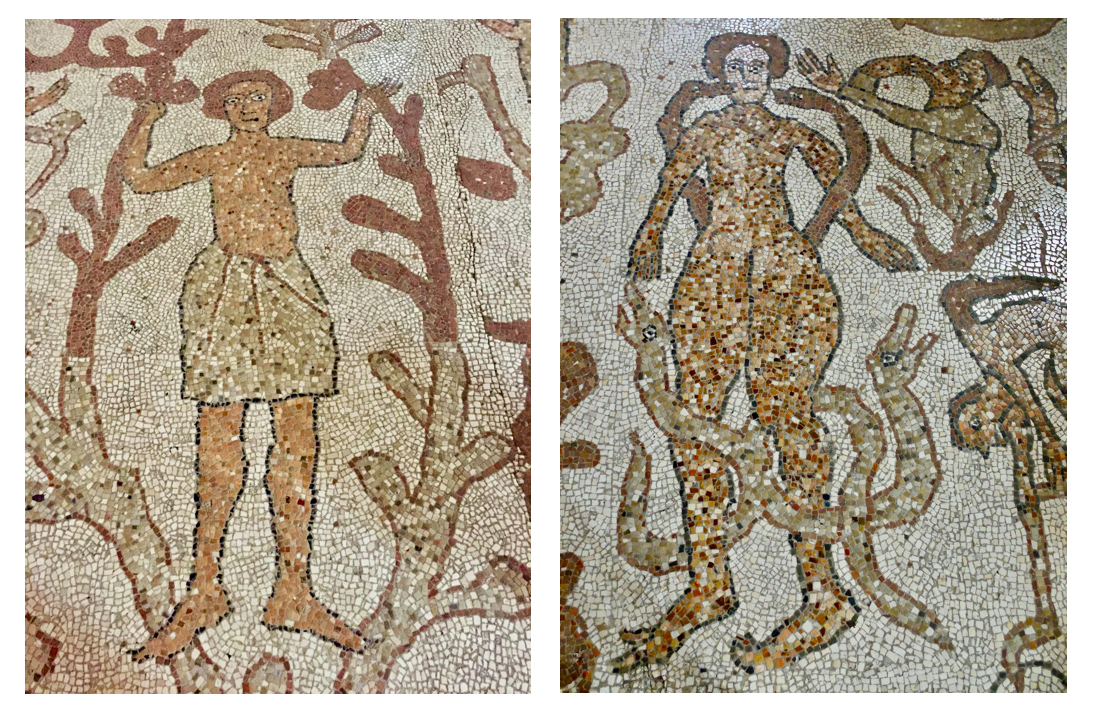
The most fascinating aspect of the city is the cathedral, whose architecture reflects the 11th-century Norman influence as opposed to the Baroque architecture prevalent elsewhere in Puglia. The highlight is the medieval mosaic floor, one of Italy’s most mysterious and impressive mosaics.

A priest, Pantaleone, carried out the work in 1165, employing a ‘primitive’ style that art critics compare with the Bayeux Tapestry. Scholars continue to debate the significance and inspiration of its allegorical images, which include Adam and Eve, King Solomon, Alexander the Great and King Arthur. 

The mosaic’s centrepiece represents three giant Trees of Life, a common motif in early Christian and Islamic art. Amongst the branches of the trees, you will see scriptural scenes, animals, symbols of the months and other fantastical images. It truly is quite remarkable!

The church also contains the macabre Chapel of the Martyrs, where eight hundred skulls are preserved and mounted on the walls. 

Don’t miss Otranto on your journeys around the Salento region of Puglia! If you want to come with us, we will visit it on our Puglia – A Road Less Travelled Tour in May and September 2024. 


Read More
Lake Como Scenery

01 Jun FIVE INTERESTING FACTS ABOUT LAKE COMO

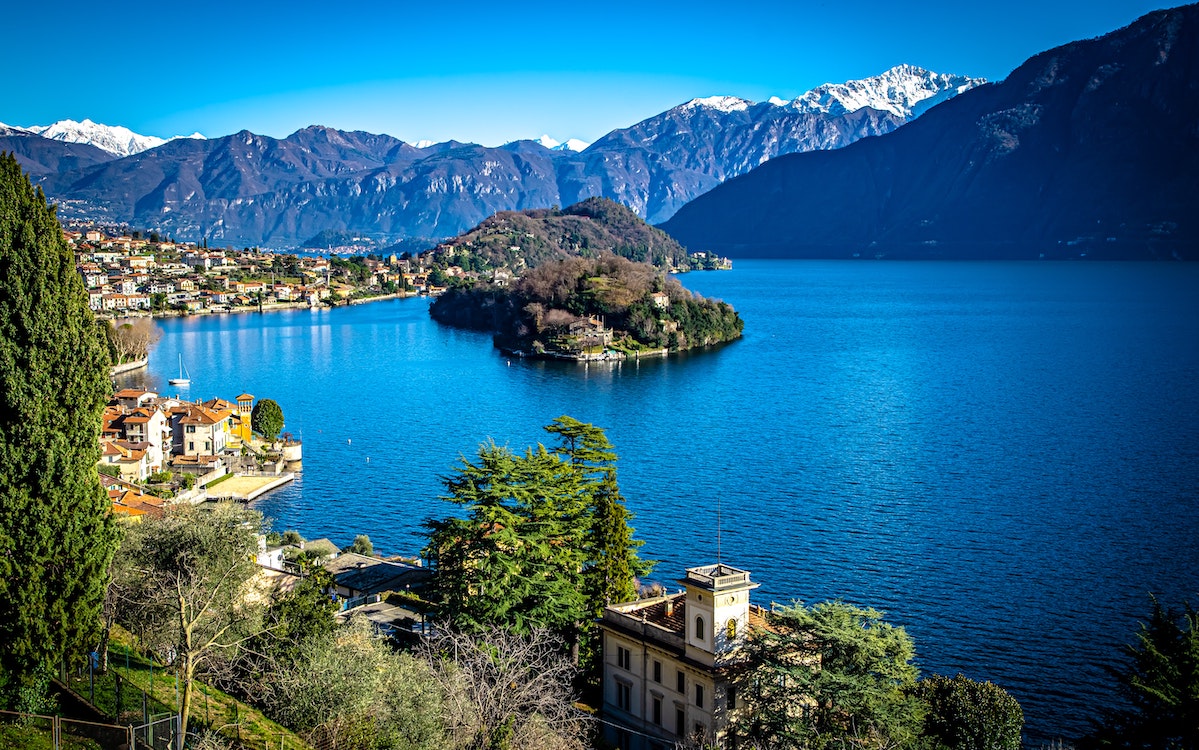
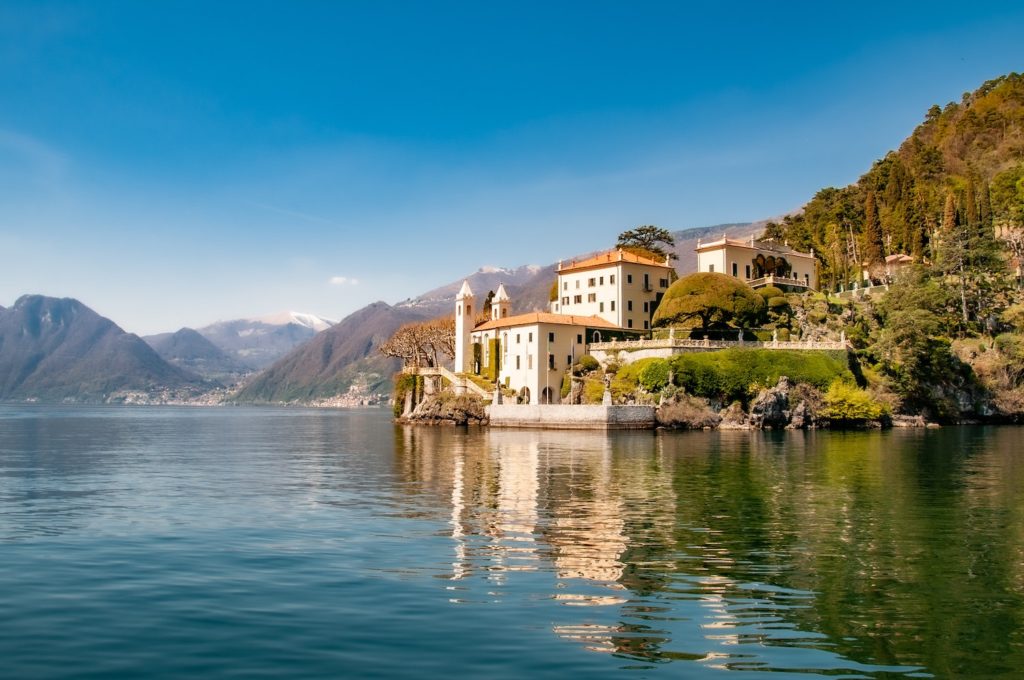
Lake Como is rightly one of the most popular summer destinations in northern Italy and lots of people know the lake for its beautiful scenery and elegant villas. But there is more to Lake Como than meets the eye.

1. Lake Como is one of the deepest lakes in Italy. 

It’s the depth that gives the waters their vivid blue colour that makes for such spectacular vistas! At its deepest points, the waters of Lake Como are more than 425 metres deep. Australia’s deepest lake, by comparison, is Lake St Clair in Tasmania, which is about 200 metres deep.

I’m also guessing that’s why the waters of Lake Como are so cold!

2. The town of Como was an important centre in Roman times. 

The Romans built the Via Regina along the lake’s western shore. This placed Como in a vital position on the major trading route between the Po valley on the Italian peninsula and the Rhine Valley in what is now Switzerland. The lake’s popularity as a summer resort also started in Roman times, with wealthy Romans recognizing the beauty of the area and beginning to build villas on the lakeshore.

3. Lake Como supposedly has its very own lake monster, Lario! 

The first reported “sighting” was in 1946 when a large reptile-like creature was spotted swimming in the lake. It was named Lariosauro, after the prehistoric reptile whose fossilized remains were found near Lake Como (Lariosaurus balsami). 

There have only been a handful of sightings over the years, so it must be very shy!

Main image (above) by Bruce Meier on Unsplash

Photo by Lewis J Goetz on Unsplash

4. Lake Como is the capital of Italy’s silk production.

No one knows precisely how silkworms first came to Italy, but one fascinating account has two priests smuggling them out of China in the 6th Century!
It wasn’t until the 15th Century that silk production in the Como area really commenced. Ludovico Sforza, the Duke of Milan, ordered the planting of mulberry trees on the shores of Lake Como. This led to the dramatic expansion of the silk industry, as fascinatingly, silkworms can eat anything but will only produce silk when they are eating mulberry leaves.
The establishment of a prestigious school for silk artisans in the 19th Century cemented Como’s industry dominance. The school still operates today and trains some of the world’s most talented silk masters.

5. Como played a role in closing a dark chapter in Italy’s history. 

In 1945, Italian partisan forces captured a party of retreating fascist officials who were fleeing north towards Switzerland. Amongst them were Mussolini and his lover Petacci. They were summarily tried and executed on the shores of the lake at Giulino di Mezzegra, thus ending a sad chapter in Italian history.
When we stayed in Lenno in 2013 after our wedding, we were walking in the hills behind Lenno and stumbled across the site, commemorated by a small plaque on the gate of a private house. It was pretty chilling.

Are you planning a trip to Lake Como? 

We can help with recommendations for hotels, restaurants and things to do, even where to buy Como’s famous silk. Just get in touch, and we can put together a custom itinerary for you.
If you’d like to join one of the tours that visit Lake Como, it’s not too late to join our Milan and the Lakes tour in 2022 or start planning for one of our 2023 tours.

Read More
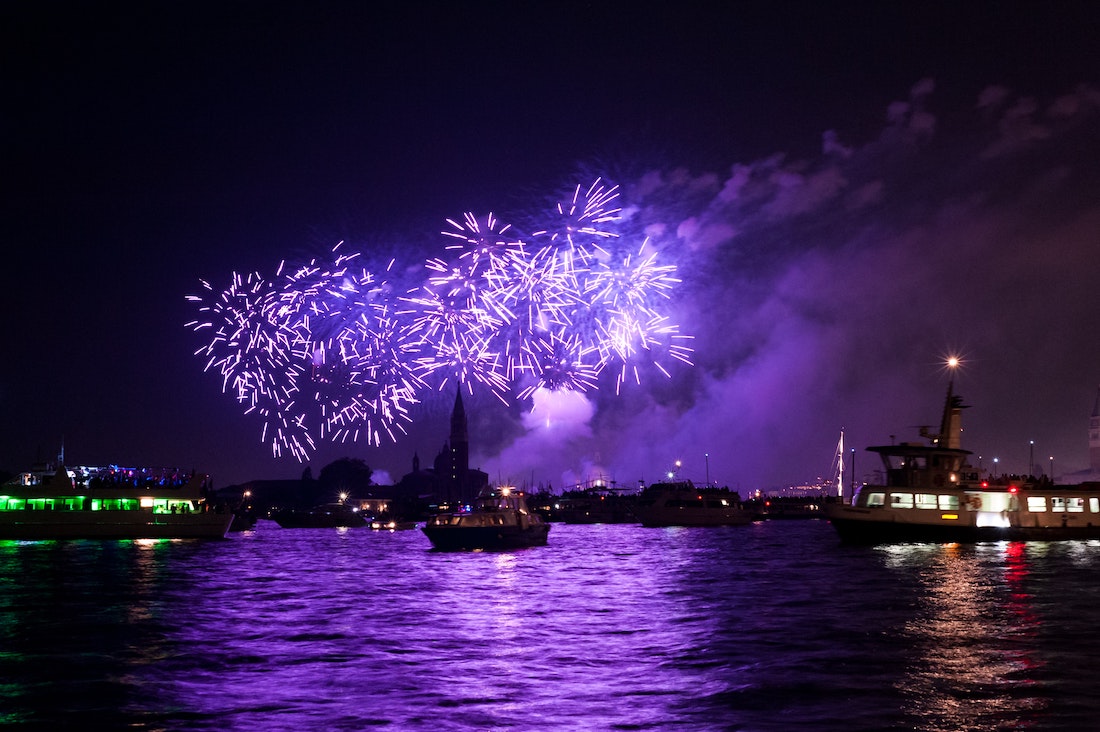
Fireworks for the Festa del Redentore Venezia

14 Jul FESTA DEL REDENTORE – A FESTIVAL OF THANKSGIVING

Fireworks and celebrations in the street, a thanksgiving mass and a flotilla of Venetian barges – no, this is not a celebration of Italy’s win in the 2021 Euro Cup this past week but something more ancient and arguably even more important.

This weekend Venetians will celebrate the Festa del Redentore, the Feast of the Redeemer, an annual event that gives thanks to the Madonna for the city’s redemption from the plague of 1575-1577. 

This major plague decimated the population of Venice, with an estimated death toll of around 55,000 people, about a third of the city’s population. The brilliant Venetian painter Tiziano (Titian) was just one of those who died. Desperate for an end to his people’s suffering, Doge Alvise I Mocenigo promised the Madonna that he would build a church as an offering and make an annual thanksgiving if she would rid the city of the disease.

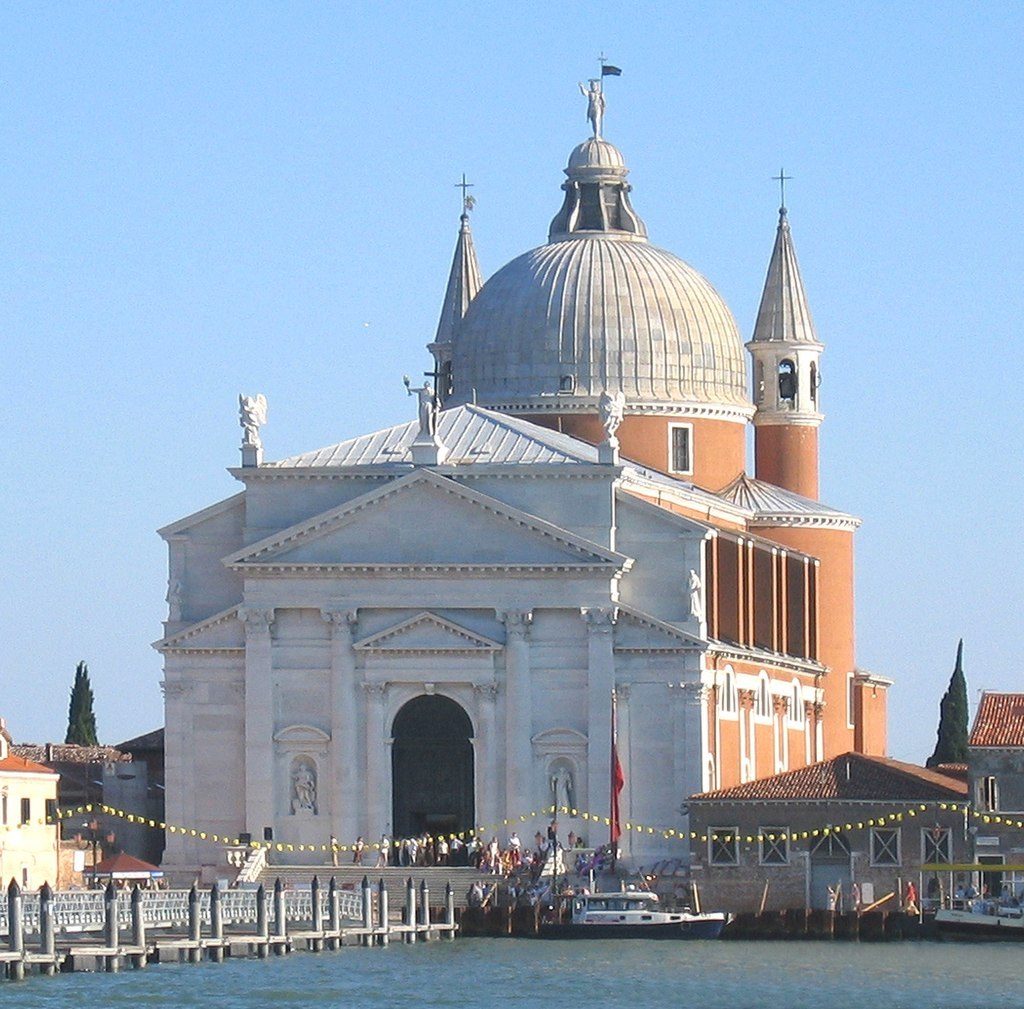
The doge’s prayer was answered and the city delivered from the plague. The Renaissance architect Andrea Palladio was promptly commissioned to build Il Redentore as a votive offering on the island of Giudecca across the lagoon from the main island. Every year since, on the third weekend of July, Venice has honoured the doge’s promise, with Venetians and visitors alike gathering to celebrate the end of the pestilence.

Main image (above) by Marco Chilese on Unsplash

Chiesa del Redentore in Venice

The Chiesa del Redentore on Giudecca
Image by Luukas, Public domain, via Wikimedia Commons

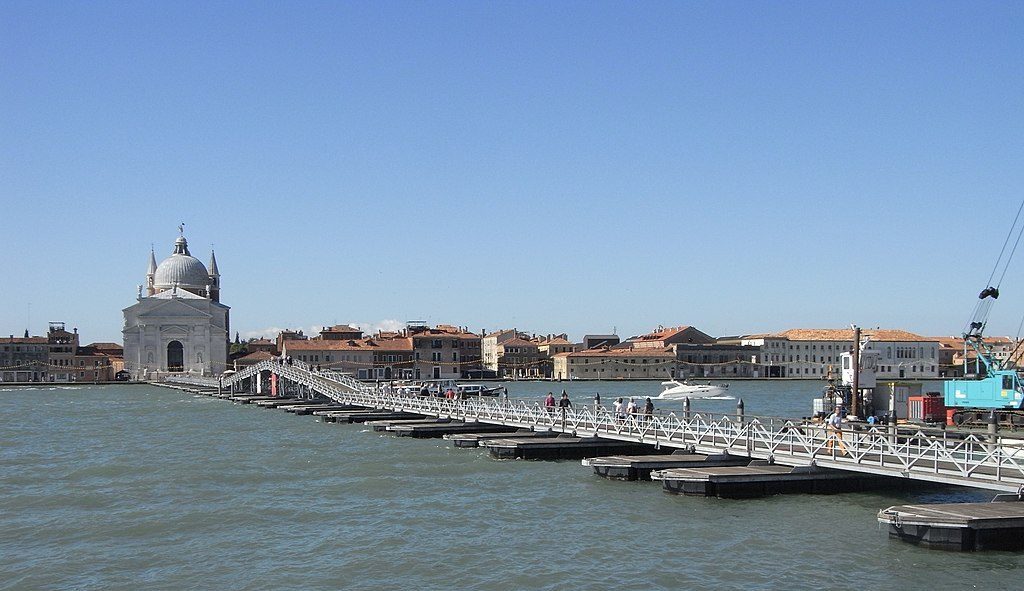
Those who have spent time in Venice may be familiar with the vaporetto stop called Zattere, where you board the vaporetto that will take you across to Giudecca. Zattere literally means ‘pontoon’ and it refers to the pontoon bridge that was set up for the grateful inhabitants to walk across from the main island to visit Il Redentore. The bridge is erected every year and its official opening signals the beginning of the festival, which goes on to celebrate the city’s deliverance with a huge fireworks display, a regatta of traditional boats along the Giudecca canal and a holy mass at Il Redentore.

Venetians have maintained this important annual festival for over 400 years with a single exception: ironically the event was cancelled in 2020 because of the Covid19 epidemic. We join with all Italians in welcoming the return of the Festa del Redentore this year in anticipation of a brighter future in the months to come.

The pontoon bridge linking Zattere and Giudecca
Image byAisano, CC BY-SA 4.0 and found on Wikimedia Commons

Read More

08 Dec COPING IN THE YEAR OF COVID

2020 has been a devastating year for so many of us, and while the pandemic has completely knocked our business over, Luca and I are so fortunate that our friends and family have all remained safe and well. And particularly so when so many of our family, friends and colleagues live in Italy where the pandemic has been so much worse. 

While our tours have been suspended in 2020, Luca and I have turned our attention to a new initiative, that we hope will go some way towards easing your ‘homesickness’ for all things Italian, as well as supporting some of the Italian artisan producers who are missing us as much as we are missing them.

Over many years of taking travellers to Italy we’ve built close relationships with local people who produce specialised products including oils and vinegars, distinctive Venetian glass jewellery, handmade olive oil cosmetics and beautifully patterned tableware and linens. 

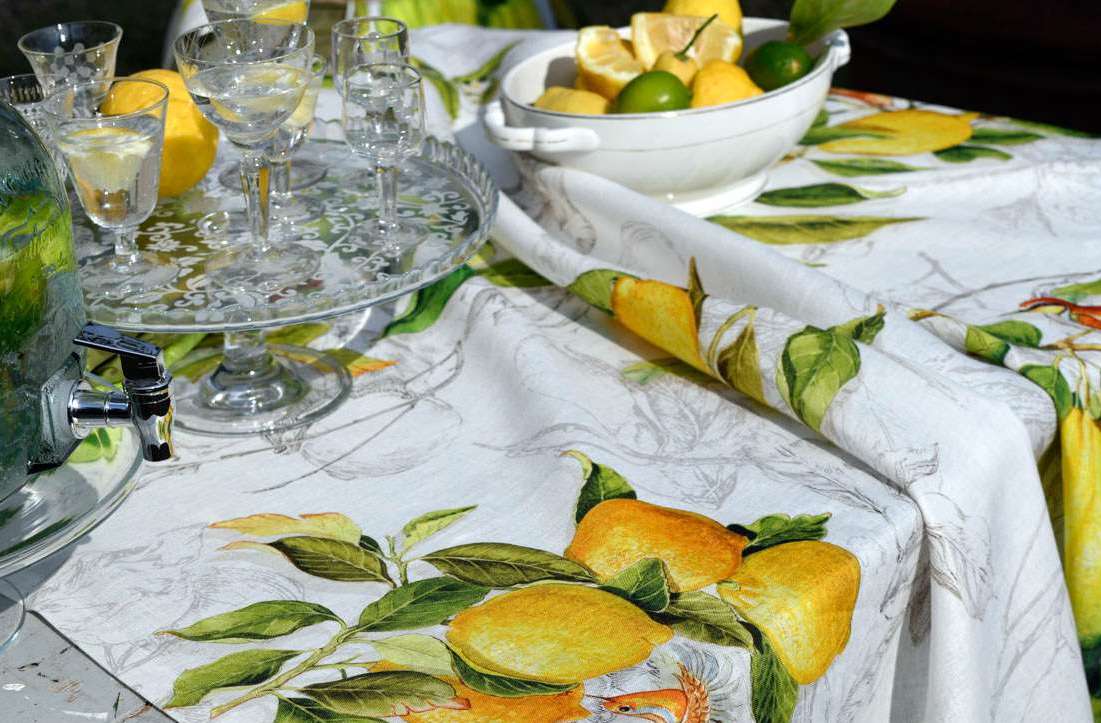
And so we have launched Origine Italiana, a small online boutique dedicated to beautiful things, all 100% made-in-Italy! We’ve started with a small but gorgeous range of Italian gifts and homewares: Florentine table cloths and tea towels, Venetian glass jewellery and a line of cosmetics for men and women, made in Tuscany. 

If you’re still looking for Christmas gifts or would like to treat yourself, head across to our online store to browse the collection! 

Shop Now!
[/vc_column][/vc_row]

Read More

12 Oct PALAZZO SCHIFANOIA – A RENAISSANCE TREASURE IN FERRARA

Article by Emanuela Mari.

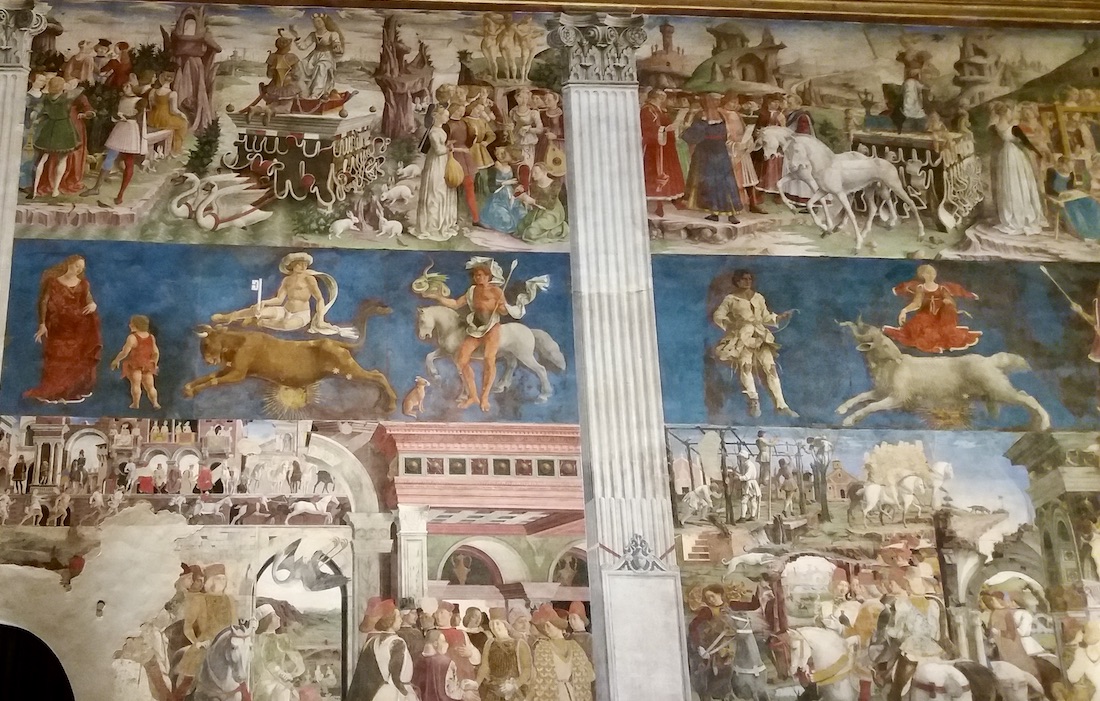
After well over two years of renovations, the Great Hall of the Months in Ferrara’s Palazzo Schifanoia, one of the most extravagant and fascinating residences of the Italian Renaissance, has reopened to the public gaze. Borso d’Este commissioned a group of local artists to complete the celebrated fresco cycle that decorates its walls in 1469. The careful restoration, complemented by the new and much-improved lighting, has given it new life.

Borso d’Este was an illustrious member of Ferrara’s Este family, which ruled over the city for around 400 years from the 13th Century. He was very fond of sumptuous and magnificent displays of grandeur, which he used to great success to impress his subjects as well as neighbouring States. He wasn’t alone in this type of exercise: it was common in most Renaissance courts, where culture and shows of magnificence were often used as a political tool.

The fresco cycle of the months on the walls of Palazzo Schifanoia’s Great Hall is a result of these attitudes. The whole palace itself is a celebration of leisure and frivolous diversion as the name of the palace suggests — Schifanoia derives from the court’s use of the palace to avoid boredom (schifar la noia). It was also used to entertain and house foreign dignitaries and important guests.

The artwork is an enormous calendar that represents and glorifies the good acts and positive outcomes of Borso d’Este’s government. These are set out month-by-month and are depicted as being influenced and protected by the classical divinities and the stars according to the medieval astrological tradition.

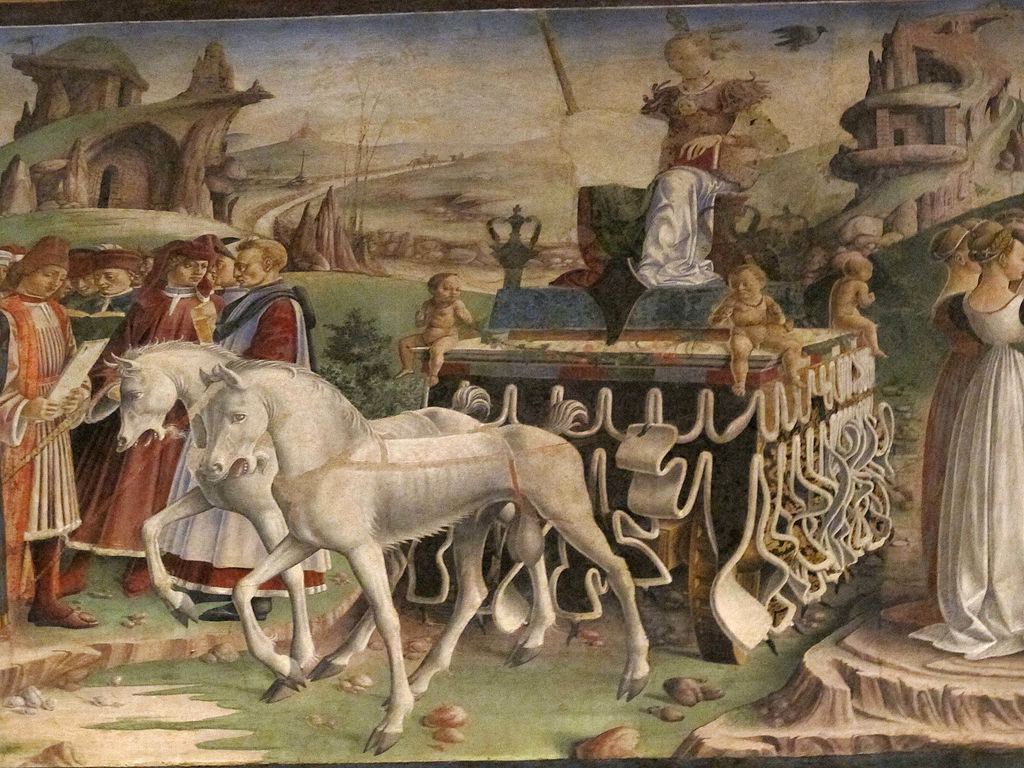
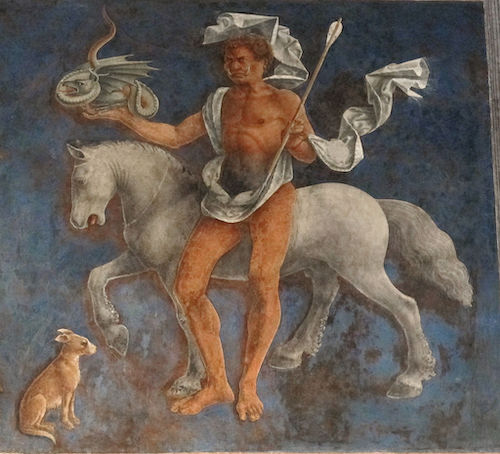
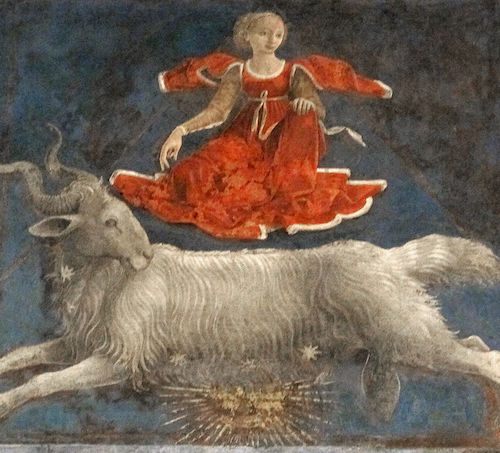
The fresco portrays a loggia in the foreground with various scenes playing out behind it. The columns of the loggia frame the months, and each frame is divided horizontally into three sections. The top section portrays one of the classical divinities (on a triumphal float surrounded by followers and proteges). The middle is an astrological representation, with the sign of the Zodiac, surrounded by the three patrons of that month according to an Arabic reading of astrology and magic. The bottom section depicts scenes of Borso d’Este surrounded by his court, busy with the activities of government and court life, such as hunting with falcons.

Detail from the month of March by Francesco del Cossa – The Triumph of Minerva
Image by Sailko / CC BY-SA  and found on Wikimedia Commons

The details of the frescos are so intricate and astounding that the meaning of some, especially in the middle section, are today shrouded in mystery. The fresco cycle, with its sophisticated and complex iconographic language, was conceived by the great Pellegrino Prisciani, Borso d’Este’s court intellectual. He was an important and influential figure in the cultural scene of the Ferrara court, an all-round humanist, well-versed in many disciplines, including astrology.

As for the artists and their work, they were a very talented group that created one of the most extraordinary works of art of the Renaissance. There is one artist in particular whose talent stands out from the rest. Francesco Del Cossa’s superior technique and exceptional artistic style make his contribution to the hall’s Eastern wall the most impressive. His work has survived the test of time much better than that of his colleagues.

Francesco Del Cossa is one of the most noteworthy, yet forgotten artists of the 15th Century. We know very little about his formative years. What we do know is that he worked between Ferrara and Bologna and that he was sought-after and much respected by his contemporaries and peers, including Michelangelo. So much so, that his work inspired an important school of followers.

As a final note, a warning to the prospective visitor. Unfortunately, not all of the fresco cycle has survived intact. If Del Cossa’s work on the Eastern wall (the months of March, April and May) is still in exceptional shape, and that of various masters (June to September) on the Northern wall is well maintained, the same cannot be said about much of the rest, where only faint traces of the old decorations remain. This is in part due to the ravages of time and partly because the fresco was painted over and forgotten for centuries.

In 1598, when the Este could not provide a direct line of succession, the Pope, who had granted the Este feudal rights to Ferrara, expelled them from the city and annexed it to the Papal States. Palazzo Schifanoia like the majority of the more than 50 leisure residences interspersed throughout the territory, fell into decay.

The Este’s expulsion brought to an end an era of fervid artistic activity and arguably the most prosperous period in Ferrara’s history. Their court was considered one of the most refined and progressive in all of Europe. They left the city of Ferrara a fantastic blueprint to their Ideal City they had cultivated for centuries, echoes of which are still evident today. The fresco cycle of the months in Palazzo Schifanoia is a magnificent example of this.

We visit Ferrara on our Undiscovered Riches – Discovering Emila Romagna tour, next scheduled for September 2021 and Emanuela will take us on a guided visit to the Palazzo Schifanoia.

Thank you to Emanuela Mari, local tour guide from Ferrara for contributing this article.

Local tour guide Ferrara

Emanuela fell in love with her city from a very early age — its art, history and culture were so intriguing that she decided to turn it into a career. She first completed a humanities degree (Lettere Moderne) at the University of Ferrara. She then undertook additional studies to become a licensed tour guide for the province.

She’s been working as a tour guide for more than twenty years and loves introducing her clients to Ferrara and its treasures. She speaks Italian, French and English fluently.

If you’re thinking of visiting Ferrara once this pandemic is over, you should definitely book a guided tour of Palazzo Schifanoia with her! You can contact her via her Facebook page, or of course, through us.

Detail from the month of April by Francesco del Cossa
Image by Sailko / CC BY-SA  and found on Wikimedia Commons

Detail from the month of March by Francesco del Cossa
Image by Sailko / CC BY-SA  and found on Wikimedia Commons

Read More
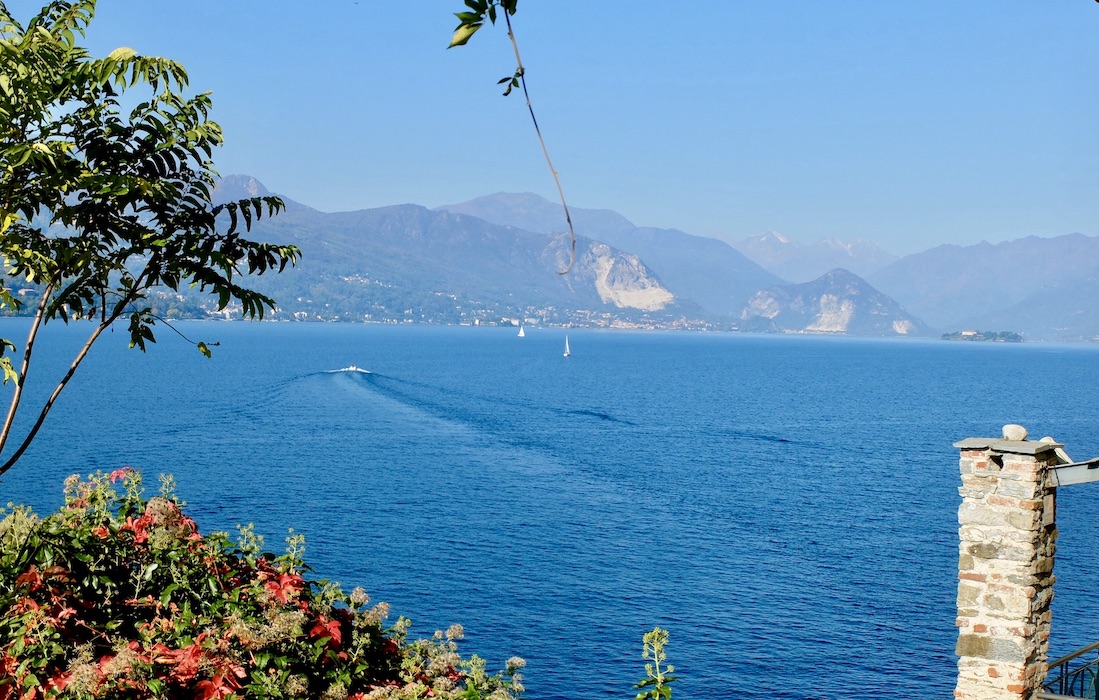
View over Lake Maggiore

13 Nov THE MANY FACES OF LAKE MAGGIORE

Secluded gardens, a magnificent waterfall, a monastery built into the cliff face –  Lake Maggiore offers a lot more than the average day-tripper from Milan can see.

All the Italian lakes have beautiful private gardens on their shores. But just outside the town of Intra is a little known garden with links to Australian history. The Botanical Gardens of Villa Taranto were established by Captain Neil Boyd McEacharn, the son of a former Mayor of Melbourne, Sir Malcom Donald McEacharn and Maryanne Watson, daughter of Australian mining millionaire John Boyd Watson. A passionate Italophile, McEacharn spent the decade between 1931 and 1940 establishing this garden at his lakeside villa. Visitors wandering the garden’s seven kilometres of paths can enjoy 20000 plant varieties, and 300 different types of McEacharn’s greatest passion, his dahlias. 

Not only are there secluded gardens around the lake, but following the Toce River up the Val Formazza to its source, one finds oneself in an area populated by a group of Italians  whose elders still speak a dialect similar to High German, the language of the original settlers. At the top of the valley is the Cascata del Toce, the second largest waterfall in Europe. This waterfall is one of the most spectacular in the Alps, with a stunning freefall jet of water cascading to the rocks below.

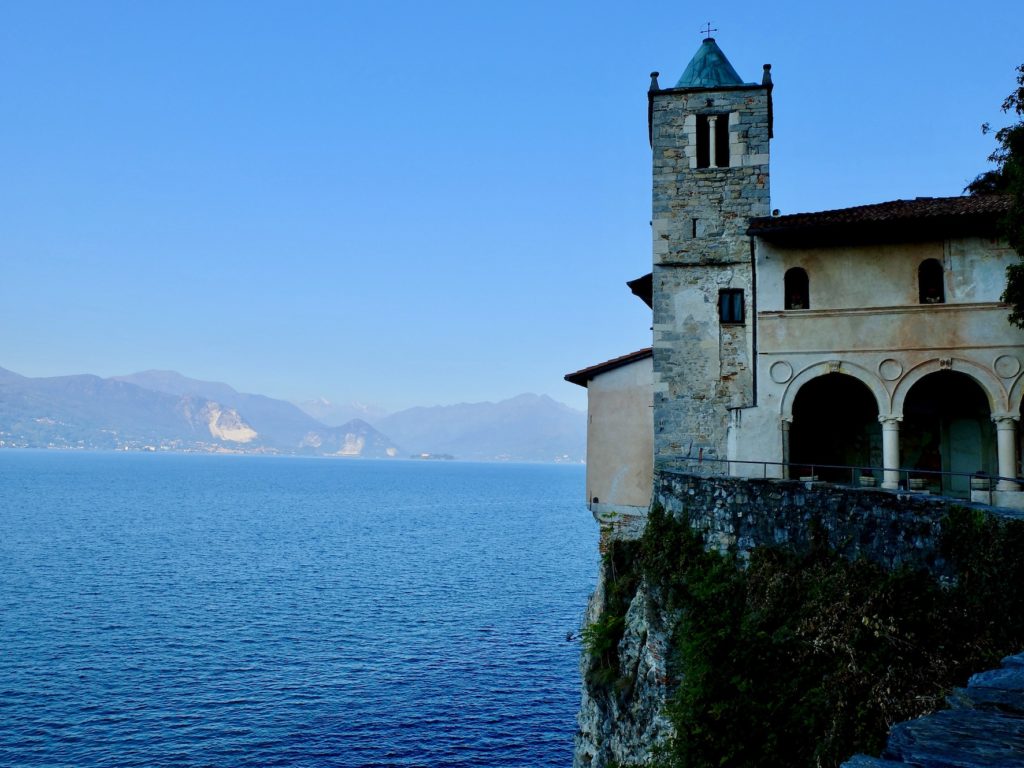
Monastery on Lake Maggiore

Perched on a rocky ridge on the eastern shore of Lake Maggiore is the Hermitage of Santa Caterina del Sasso. Since the 1300s the monastery has been inhabited by members of the Dominican order but is today inhabited by a group of Benedictine oblates. Visitors must maintain silence but are welcome to walk the lovely balconies that overlook the lake and take in the very special atmosphere of the place.

There are other more famous tourist destinations on the lake, most notably the Borromean Islands, Isola Bella, Isola Madre and Isola dei Pescatori, with their justly famous gardens, buildings and vistas. From the Renaissance period they have all been owned and inhabited by members of the Borromean family. The most spectacular of these is Isola Bella, built in 1632 as a wedding present by Charles III for his wife Isabella, and containing Baroque gardens, grottoes and even white peacocks.

We stay on Lake Maggiore as part of our 14-day Milan and the Best of the Italian Lakes tour in May-June 2020 and on our 8-day Lakes Discovery tour in September 2020.

Read More

30 Jul The living gem that is Bergamo

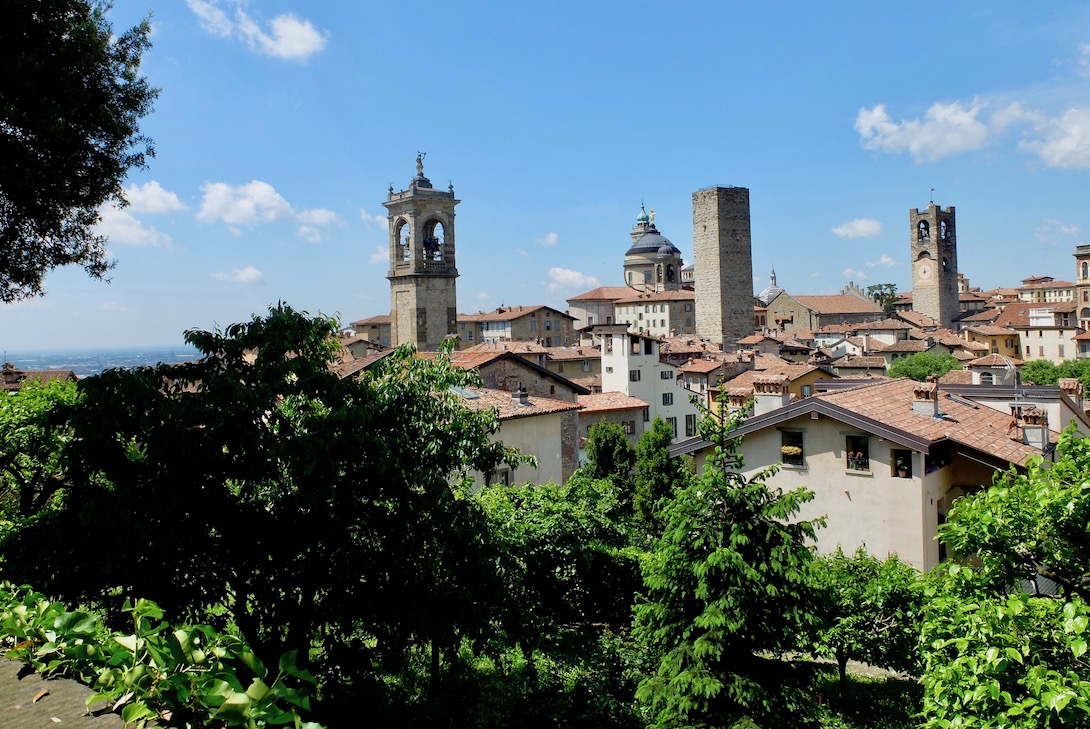
Bergamo is one of our all-time favourite small Italian towns — a medieval hilltop  borough bristling with towers and atmospheric buildings that are carefully protected and maintained, so that the visitor feels completely immersed in history.

The town is built on three ascending levels. The modern part of the town sits at the base of the hill, and is a thriving commercial centre with pleasant tree-lined streets, parks and gardens. The upper town, or città alta, is reached via a funicular that carries visitors to the medieval centre, the citadel at the top of the hill. Another funicular takes visitors to the third and highest level of the town, San Vigilio, so-called because of the castle that sits at its summit.

Before heading for the  città alta, those interested in art galleries might want to spend time in the Museo Accademico di Carrara which is located just outside the Venetian walls that surround the  mediaeval centre. It has an excellent collection of Renaissance and medieval paintings and fine art, and is an important regional museum.

The  città alta is a wonderful area for walking, with narrow stone streets that lead through various piazze to offer delightful surprises for the casual wanderer. 

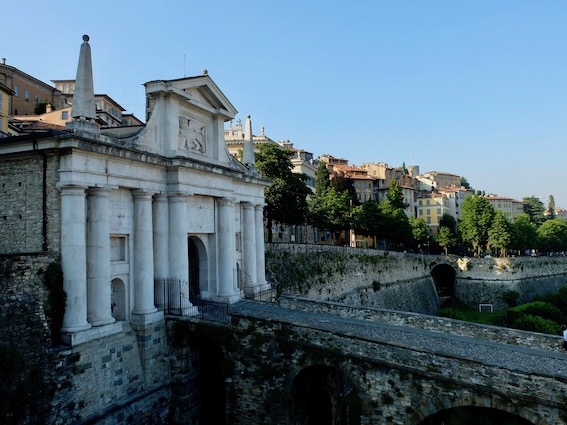
The walls, originally built by the Venetians, have never been breached and are listed as a UNESCO World Heritage site. Visitors can walk around, along and even within the walls.

However the undoubted highlight is the Palazzo della Ragione, a twelfth century building that was revamped in the 1500s to meet Venetian aesthetic standards —  one of those standards being to make the civic building more important than the church! The Venetians created a new piazza, Piazza Vecchia, by demolishing a building, and then rebuilding the town hall so that it faced onto the new piazza and would be the first thing a visitor would see. They completed the new work with the installation of a charming fountain boasting a series of lovely lions.

The town contains a beautiful and intact religious precinct, with two magnificent churches sitting side by side. One is the duomo and one the basilica. The duomo of Bergamo, San Alessandro, is the principal Catholic Church of the city, built in the mid 1400s, while the Basilica Santa Maria Maggiore was funded by local people in a show of wealth and importance in the 1100s. The Bergamaschi traditionally viewed the basilica as the more important church, so when one of the autocratic and powerful local lords had a section of that church demolished in the middle of the night to erect a mausoleum for himself, people were understandably outraged. However, the mausoleum remains and is considered one of the prettiest Renaissance structures in the city to this day.

We’ll be visiting Bergamo – and staying in a medieval tower hotel in the città alta – as part of our Milan and the Italian Lakes tour in May-June 2020. 

Read More