Travel Guide Tag

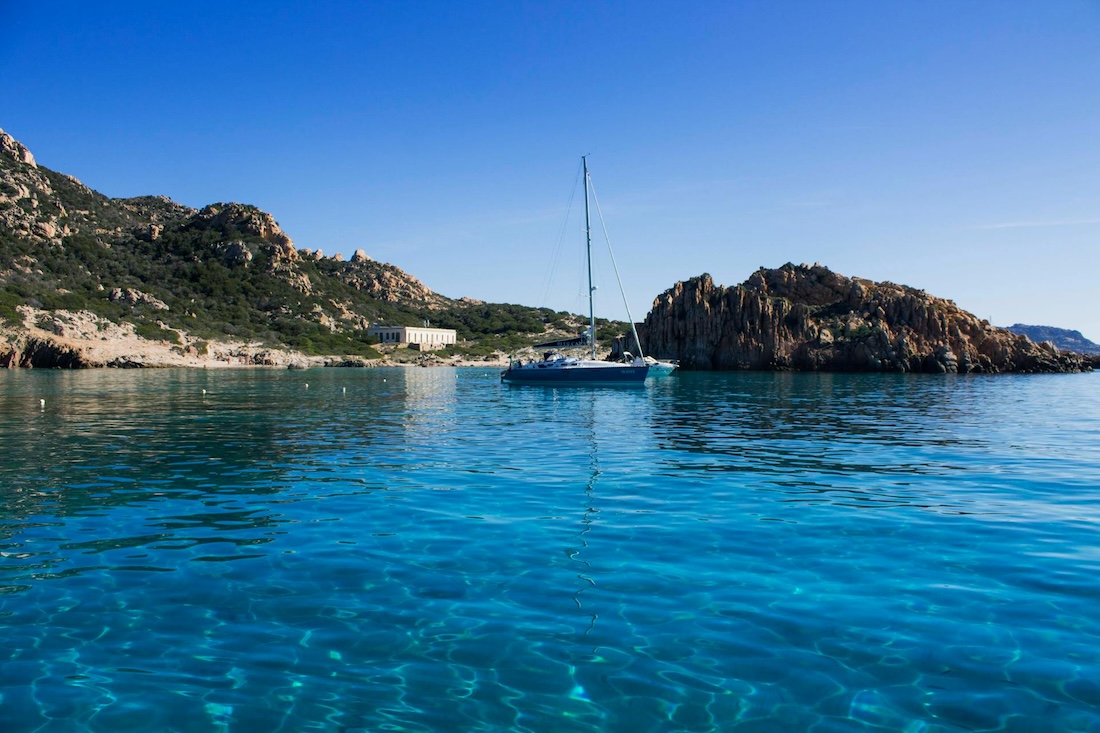
View of a sailboat in clear water, Sardinia

11 Feb A Year in Italy: Places We’re Looking Forward to Visiting in 2026

For most of 2026, we’re going to be living in Italy.

We’re currently based in Udine, in the Friuli Venezia Giulia region, and this year gives us something quite rare in our line of work: time. Time to stay in one place a little longer, to return to regions we know well and look at them more carefully, and to explore others we’ve been meaning to understand better for years.

Some of our travel this year is directly connected to the tours we already run. Some of it is research for future itineraries. And some of it is simply about seeing Italy with fresh eyes, without rushing from one appointment to the next.

Rather than compiling a grand “must-see” list, we thought we’d share a handful of regions that are very much on our radar in 2026, and what draws us to each of them.

Friuli Venezia Giulia

Being based in Friuli Venezia Giulia has given us the chance to spend time in places we might otherwise only pass through. We’ve been taking short trips into the Julian Alps, heading up to towns like Tarvisio and Malborghetto, enjoying the mountain scenery and the feeling of openness that comes with being so close to the border regions.
One city I’m particularly looking forward to getting to know better is Trieste. For centuries, it was the main port of the Austro-Hungarian Empire, and that layered history is still evident today in its regal architecture, broad squares, and elegant cafés. Set right on the sea, with a long waterfront promenade and a slightly different rhythm to much of Italy, it’s a place that appears both Italian and distinctly its own.


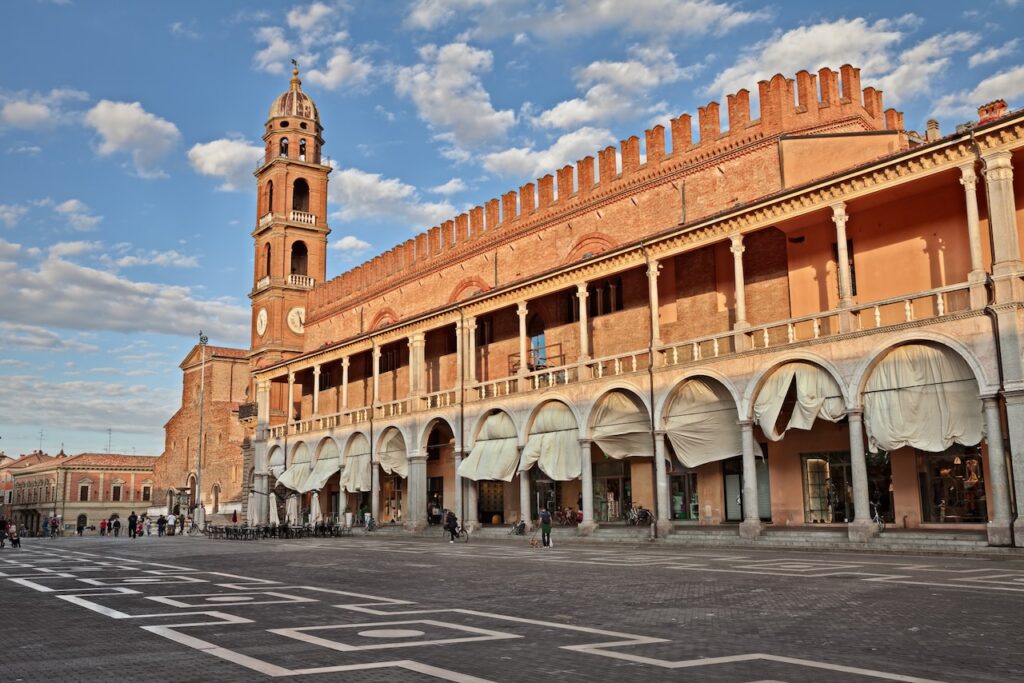
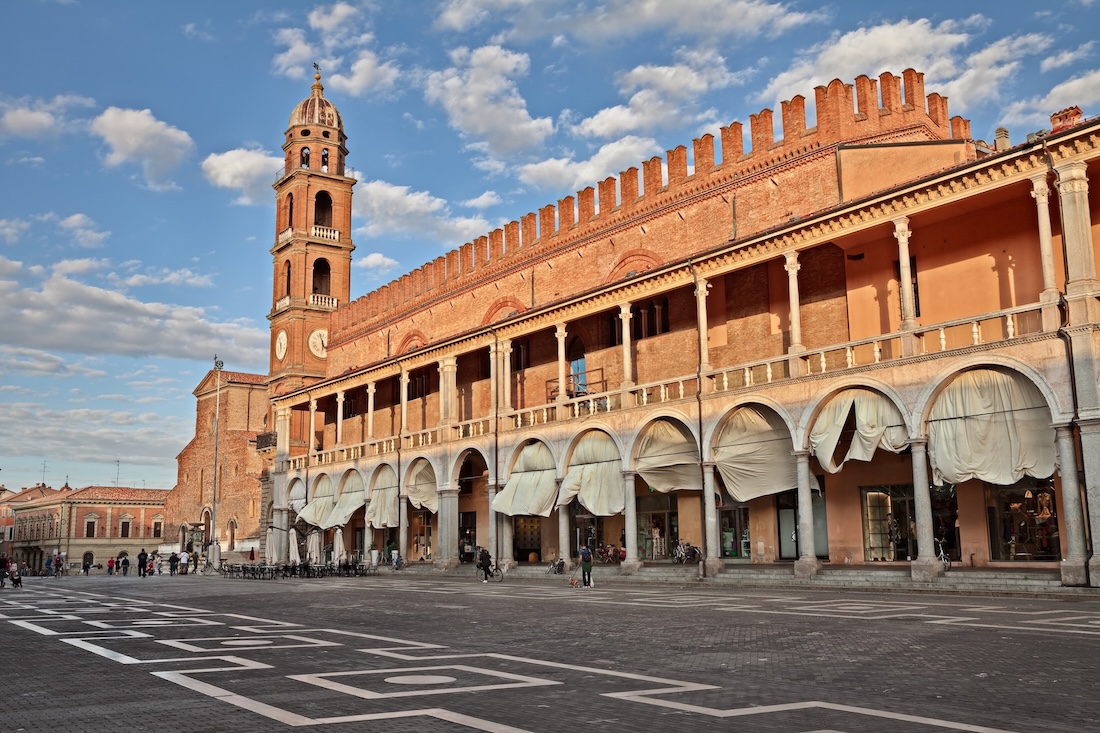
Piazza del Popolo in Faenza, Emilia Romagna

Faenza

Emilia-Romagna

We’ll also be spending time in Emilia-Romagna this year as we prepare for our new tour in the region. We’re heading to Bologna in the coming weeks to reacquaint ourselves with the city and to revisit some of our favourite places. Bologna is fiercely proud of its culinary traditions; this is, after all, the home of tagliatelle al ragù, tortellini and mortadella, and that deep respect for traditional food culture is at the heart of the city.
Beyond Bologna, we’ll be spending time in the Romagna hills and in Faenza. Faenza has been associated with ceramics since the Renaissance, and even gave its name to “faience”, the tin-glazed pottery that was exported across Europe for centuries. Today, the city is not only attractive in its own right but home to a remarkable number of ceramic workshops, where traditional techniques sit comfortably alongside contemporary work. It’s a place where craft is still part of everyday life, and we’re looking forward to spending time there.

Sardinia

Sardinia is a place we’ve been curious about for a long time, but haven’t yet had the chance to explore properly. What draws us to it is the sense that it sits a little apart from the rest of Italy, defined by layers of history that feel quite distinct. The Nuragic civilisation, dating from roughly the Bronze Age (around 1800–500 BCE), is unique to the island, and that’s just one chapter in a long story that also includes Phoenician, Roman and later Spanish influences.
From what we’ve read and heard, Sardinia offers a striking mix of landscapes and cultures, from mountainous interiors and small rural communities to long coastlines defined by fishing and trade. Its food is often described as simple and closely tied to local produce, influenced by both pastoral life and the sea. We’re very much looking forward to getting to know it for ourselves.

The Dolomites

Every visit to the Dolomites is a reminder of just how beautiful this part of Italy is. As the weather warms up, we’re looking forward to spending more time there and getting to know the area on foot. Walking is one of the best ways to experience the Dolomites, allowing you to move through the landscape at a gentle pace and really take in the scale and variety of the scenery.
We’re currently considering a more walking-focused tour in the Dolomites. Not long or demanding hikes, but manageable walks, balanced with good local food and wine, and excursions to visit cultural sites and small local producers. It’s about spending time in the landscape without feeling hurried, and experiencing the region in a style that feels relaxed and well-rounded.

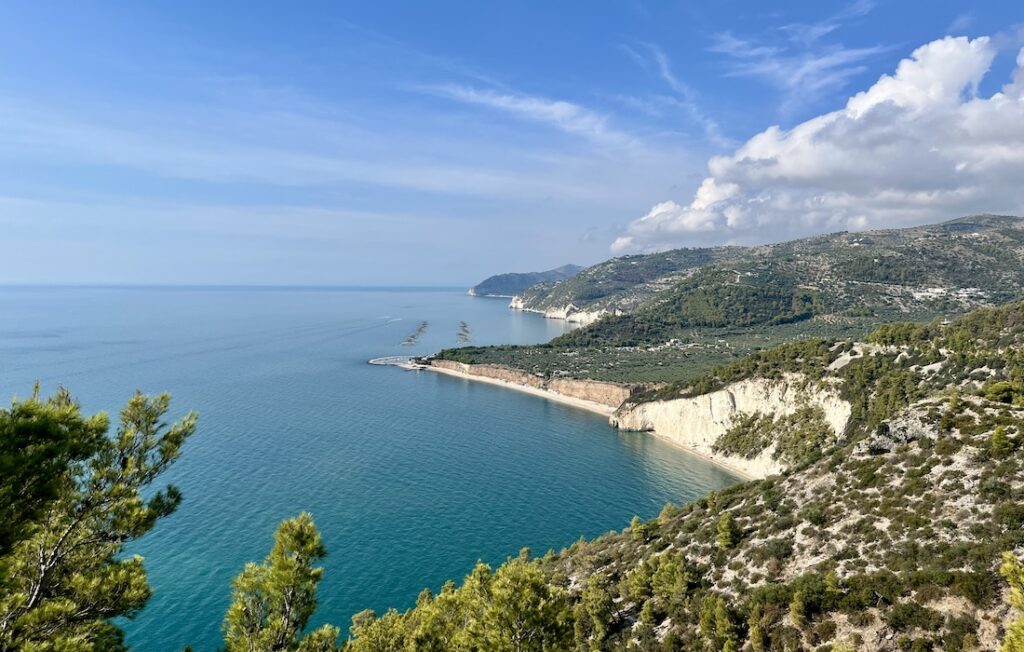
Puglia summer coastal view

The Gargano coast

Puglia

And finally, Puglia. This is a region that continues to draw us back, for the warmth of the hospitality, the coastline, and the quality of the local food. Over the year ahead, we’ll be revisiting different parts of the region, from the Gargano Peninsula in the north to the Adriatic coast around Polignano a Mare and Bari, always with an eye to small details and new experiences.
Returning to Puglia year after year helps us make small, practical decisions about pacing, route choices, and where to spend our time.

Thinking of travelling with us in 2026?

If you’d like to experience Puglia with us, our 2026 The Road Less Travelled – Puglia tour still has limited availability for September and October departures.

Or join us in Emilia-Romagna in September 2026 as we explore Bologna, the Romagna hills and the region’s remarkable food traditions.

Read More
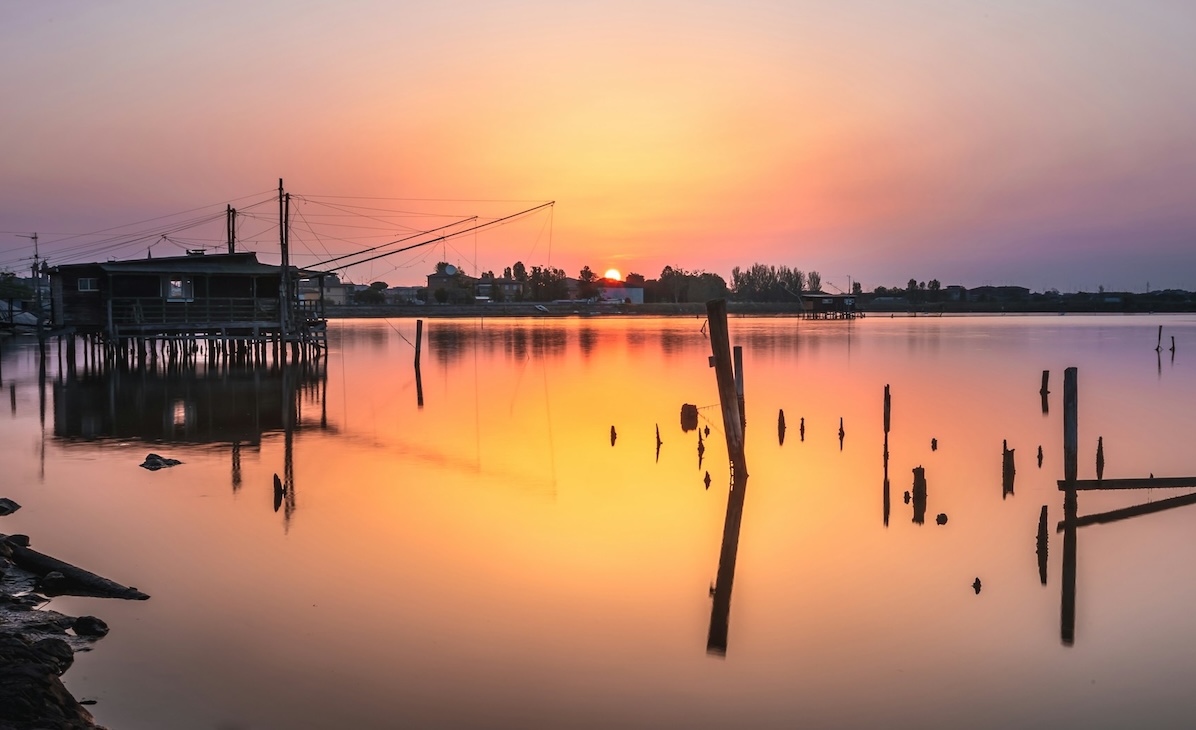
Traditional fishing huts and wooden posts reflected in the Po Delta wetlands at sunset, with warm orange and pink light over the lagoon

11 Dec Comacchio and the Po Delta: Discovering Emilia-Romagna’s Quiet Lagoon Town

Comacchio and the Po Delta: Discovering Emilia-Romagna’s Quiet Lagoon Town

Italy is celebrated for its famous cities, yet some of its most memorable places are the quieter ones where everyday life moves at its own pace. Comacchio, a small lagoon town in Emilia-Romagna, is one of these rare spots. Spread across thirteen low islands and shaped by canals and graceful brick bridges, it’s often compared to Venice, though it has a character entirely its own. Just beyond the town lies the Po Delta, one of Europe’s most significant wetland landscapes and a fascinating contrast to the region’s better-known highlights.

A Lagoon Town Shaped by Water

Comacchio is located just north of Ravenna and has been linked to its lagoon for centuries. Its relative isolation helped preserve the historic centre’s character: long stretches of water, quiet lanes with no cars, and a deep sense of calm as you walk from bridge to bridge.

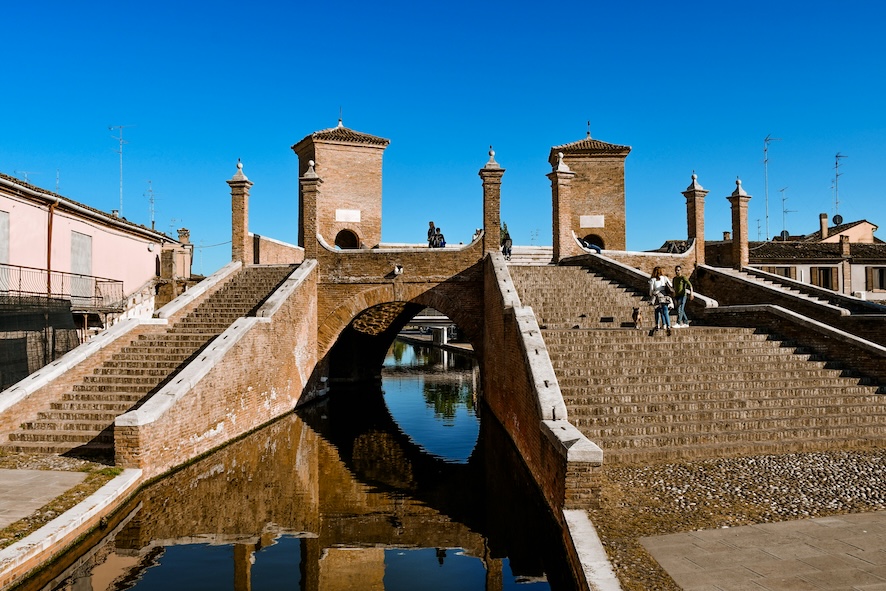
The town’s most recognisable landmark is the Trepponti, built in the 1630s as a fortified gateway to the lagoon. With its staircases, brick arches, and view of the canals, it remains the natural starting point for any visit. From here, a gentle wander leads you along the Canale Maggiore, past Palazzo Bellini, and across the Ponte degli Sbirri beside the old fish market. Comacchio’s centre is compact and easy to explore at a relaxed pace, making it ideal for travellers seeking an authentic slice of Emilia-Romagna.

The Trepponti bridge in Comacchio, with its brick staircases, towers and arches reflected in the canal under a clear blue sky

Exploring the Po Delta: A UNESCO Wetland Landscape

Just outside the town lies the Valli di Comacchio, part of the wider Po Delta Park and recognised as a UNESCO World Heritage site. The Po Delta is one of the most important wetland environments in Europe: wide open skies, strips of land dividing shallow waters, and an extraordinary range of birdlife.

Pink flamingos are the highlight for many visitors. They gather in impressive numbers across the lagoons, a striking sight in any season. The wetlands also support herons, egrets, stilts and a variety of migratory birds, making this one of the best birdwatching destinations in Italy. The colours change throughout the year too, from the deep red of autumn glasswort to the pale pinks of tamarisk lining the water channels.

Scattered around the delta are the casoni, traditional fishermen’s huts built from wood and reeds. These simple structures recall a time when fishermen spent long months in the lagoon catching the prized local eel. They offer a window into a way of life that shaped the culture of Comacchio for generations.

Local Food and Traditions

Eel has long been at the heart of Comacchio’s identity. It’s still prepared in traditional ways – grilled, marinated or slowly cooked in broth – and features prominently in local dishes. For travellers unsure about eel, the wider region offers plenty of alternatives from the Adriatic: clams, prawns, and bluefish, often served simply and paired with Vini delle Sabbie, wines grown in the sandy coastal soils.

This connection between land, water and tradition is part of what makes Comacchio such a compelling place to visit. It offers a quieter, more genuine perspective on life in Emilia-Romagna.

Exploring Comacchio with Italian Tours

As part of our Unexpected Riches: Emilia-Romagna Tour 2026, we spend a full day exploring this beautiful corner of the region. After a gentle walk through Comacchio, we board a small private vessel accompanied by a local guide who knows the waterways well. Travelling in a smaller boat means we can navigate the narrow channels and get closer to the landscape and birdlife without disturbing the calm of the lagoon. We finish the morning with a traditional lunch, enjoying the dishes that have defined this area for centuries.

If you’re interested in discovering the lesser-known side of Emilia-Romagna – and experiencing Comacchio and the Po Delta with a knowledgeable local guide – you may like to take a look at our 2026 journey.

Read More
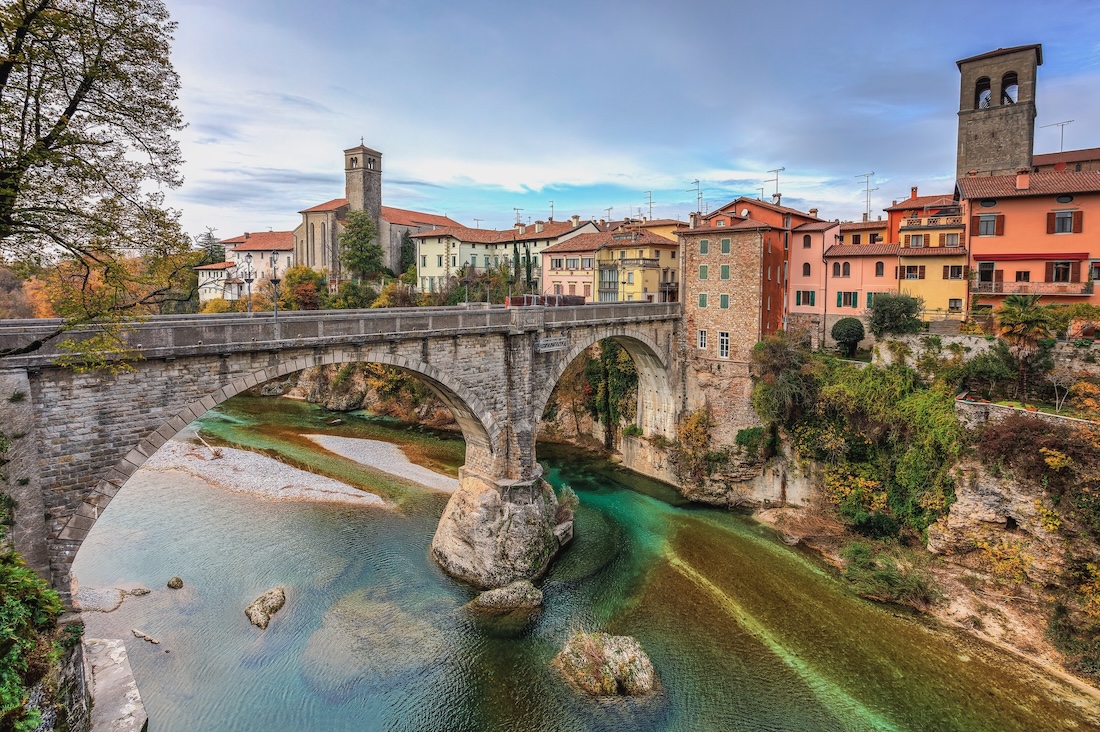
Historic stone Devil’s Bridge in Cividale del Friuli crossing the clear Natisone River with medieval buildings behind it.

02 Dec Why Friuli Venezia Giulia Is Italy’s Best Kept Secret – Clone

Why Friuli Venezia Giulia Is Italy’s Best Kept Secret


A Region of Remarkable Landscapes

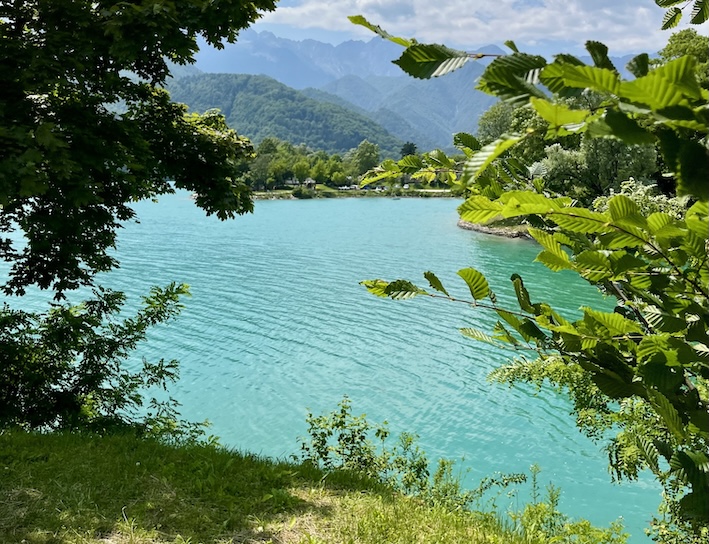
Tucked away in the far north east of Italy, where the Alps ease into gentle plains and finally the Adriatic Sea, Friuli Venezia Giulia is one of the country’s most overlooked regions. Its landscapes are unusually varied. The foothills north of Sacile offer peaceful hilltowns, chestnut woods and turquoise lakes such as Barcis and Cavazzo. Higher up, the Julian Alps show a more alpine character, with wooden chalets, meadows and the beautiful ridgeline around Monte Lussari.

A short drive south takes you to a completely different setting of wide lagoons, sandy beaches and coastal towns shaped by centuries of Venetian influence.

History Written Across the Centuries

Friuli’s history stretches from ancient Rome to the medieval Longobards and through the eras of Venice and the Habsburg Empire. Aquileia was once one of the most important cities of the Roman world and today preserves a remarkable fourth-century mosaic floor, one of the most impressive in Europe.

Cividale del Friuli, founded by Julius Caesar, later became the capital of the Longobard Duchy and is home to the Tempietto Longobardo, considered a masterpiece of early medieval architecture. Across the plains, towns such as Portogruaro and Sacile still show their Venetian heritage in arcaded streets and elegant waterside villas. Further east, Gorizia and Trieste reflect their long connection with the Habsburgs and have a distinctive Mitteleuropean feel.

A Food and Wine Culture Worth Travelling For

Food and wine are central to life in Friuli. The Collio hills produce some of Italy’s best cool-climate wines, including Friulano, Ribolla Gialla and the red Refosco. Vineyards sit in neat terraces, and tastings often feel more like relaxed conversations than formal appointments.

In the mountains, the Montasio Plateau is known for its DOP cheese, produced in small alpine dairies. Prosciutto di San Daniele, rustic soups, handmade pastas and fresh seafood from the coast round out a cuisine that is simple, seasonal and firmly tied to the region.

Turquoise waters of Lake Barcis framed by green trees and mountain peaks in Friuli Venezia Giulia.

The turquoise waters of Lake Barcis in the foothills north of Sacile.

Authentic Italy at a Relaxed Pace

One of Friuli’s great attractions is its authenticity. This is a part of Italy where life moves at a quieter rhythm, well away from the major tourist routes. Mornings are spent in small piazzas, afternoons wandering medieval lanes or walking by the lakes, and evenings enjoying good local food and a glass of wine. It suits travellers who prefer smaller towns, gentle walks and meaningful cultural experiences rather than big crowds or hurried sightseeing.

The Ideal Time to Visit Friuli

September is one of the most appealing months to explore the region. Days are generally mild to warm, evenings are cool in the foothills, and the light is clear, ideal for sightseeing and spending time outdoors. Vineyards are in full harvest, the sea is still warm, and the mountains are especially inviting.

Explore Friuli with Us

If you’re drawn to a quieter, more authentic side of Italy, our new small-group tour of Friuli Venezia Giulia offers a relaxed way to experience its landscapes, history, food and culture. We’d be delighted to show you this remarkable region.

You can find all the details of our Friuli Venezia Giulia tour here


Read More
etailed brickwork and arches of historic buildings in Faenza, Emilia-Romagna

05 May Beyond the Guidebooks: 5 Italian Towns Worth Discovering

Five Italian towns you may not have heard of!

One of the great pleasures of travel—especially in Italy—is stumbling upon places you didn’t expect. While iconic cities like Rome, Florence, and Venice are celebrated for their grandeur, there’s a world of quiet, charming Italian towns waiting just off the beaten path. These lesser-known spots offer a more relaxed, authentic experience, perfect for travellers looking to avoid the crowds.

Here are five of our favourite Italian towns—hidden gems that may not make the front cover of guidebooks but offer a richness and warmth that’s hard to find elsewhere. Some of these towns feature in our small group tours of Italy, while others are special places we’ve discovered over the years. Each offers something unique but shares that rare, unspoiled quality that makes travel truly memorable.

1. Cison di Valmarino (Veneto)

Nestled in the heart of the Prosecco Hills, Cison di Valmarino is a perfectly preserved village with deep roots stretching back to Roman times. Once a vital stop on the trade routes linking the Alps with the Venetian lagoon, this quiet town still whispers of its past.

  • Explore the ancient via dell’acqua—a water path lined with old mills and stone channels.
  • Marvel at Castelbrando, one of Europe’s largest castles, perched above the village.
  • Visit during Artigianato Vivo in August to experience the local craft festival.

Whether you’re exploring on your own or joining our Veneto tour in 2026, Cison di Valmarino is a hidden gem that rewards the curious traveller.

2. La Morra (Piemonte)

High on a hilltop in the Langhe, La Morra offers panoramic views of vineyard-covered hills, medieval towers, and rolling landscapes. This quiet town is a cornerstone of Piemonte’s winemaking heritage.

  • Sample world-class Barolo wines at charming local bars.
  • Stroll to the vibrant Cappella del Barolo, a whimsical contemporary chapel.
  • Enjoy regional cuisine in small, family-run trattorias.

La Morra is a highlight of many small group tours through northern Italy, offering culture and wine without the crowds.

3. Vieste (Puglia)

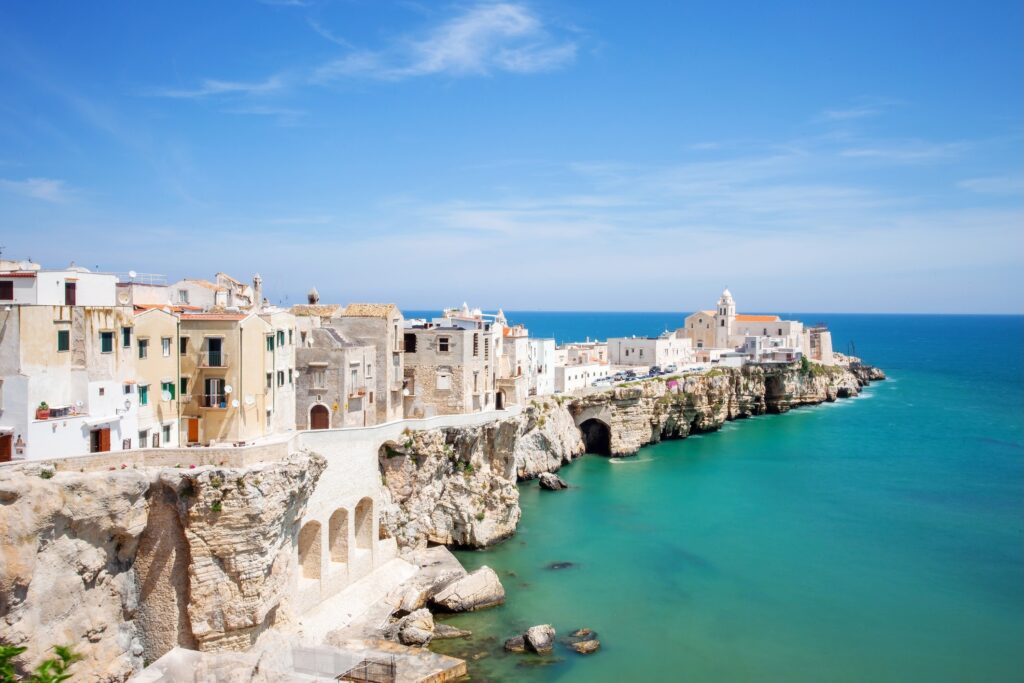
Perched on the dramatic Gargano PeninsulaVieste embodies the rugged charm of southern Italy. While much of Puglia’s tourism focuses on the Valle d’Itria or Salento, Vieste offers something different—wind-swept coastlines, whitewashed houses, and rich history.

  • Wander the narrow streets of the old town with its sea views and hidden staircases.
  • Discover Frederick II’s 13th-century castle, a reminder of Vieste’s storied past.
  • Relax on long sandy beaches or explore limestone sea caves by boat.

If you’re planning a Puglia tour, don’t miss Vieste for its unique blend of natural beauty and cultural heritage.

Charming fishing town of Vieste with panoramic sea views and rugged coastline

Italian Village of Vieste, Southern Italy

4. Glurns (Glorenza) (Trentino-Alto Adige)

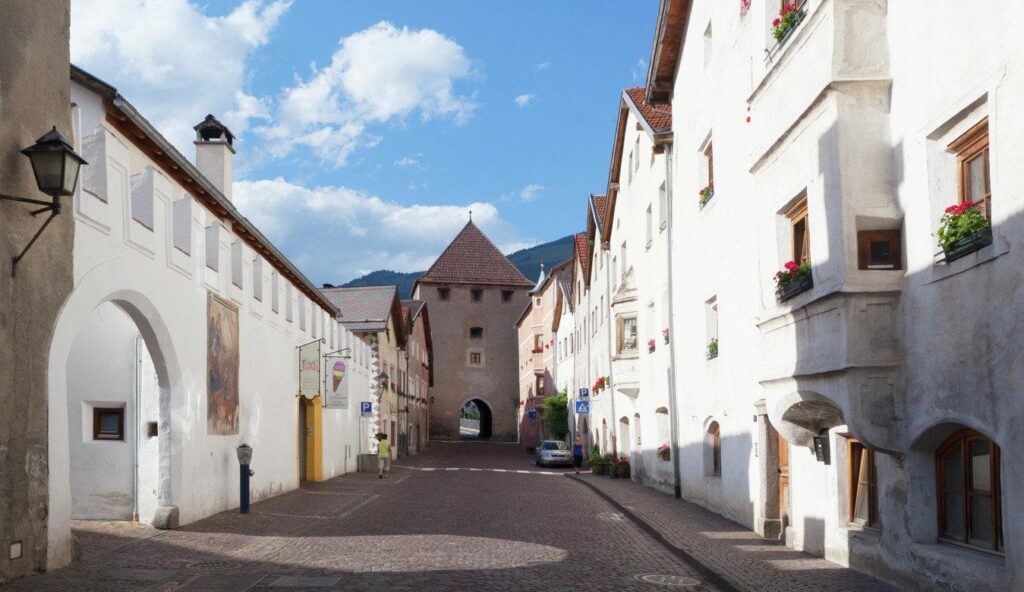
Tucked away near the Swiss border, Glurns is a perfectly preserved medieval town with intact walls, towers, and gates. Its small size belies its historical significance and refined charm.

  • Walk the entire perimeter of the town in under 30 minutes.
  • Explore artisan workshops and cobbled streets lined with arcaded houses.
  • Experience the cultural mix of South Tyrol in this storybook-like setting.

Glurns is an ideal stop on Dolomites tours, where history and nature intertwine beautifully.

Medieval street in Glurns, South Tyrol, with whitewashed houses and cobblestone paving

Medieval village of Glurns, South Tyrol

5. Faenza (Emilia-Romagna)

Known worldwide for its exquisite ceramics, Faenza offers a blend of culture, history, and down-to-earth sophistication.

  • Visit the International Museum of Ceramics, showcasing works from ancient Persia to Picasso.
  • Admire the elegant Piazza del Popolo and its graceful porticoes.
  • Discover local artisans and sample regional delicacies at traditional trattorias.

Faenza encapsulates the essence of Emilia-Romagna—a place where art, tradition, and hospitality come together seamlessly.


Why Discover Lesser-Known Italian Towns?

While famous cities have their allure, these smaller, often-overlooked towns offer a deeper, more personal connection to Italy’s rich tapestry. You’ll enjoy:

  • Authentic local culture without the crowds.
  • Unique architecture and centuries-old history.
  • Intimate encounters with food, wine, and artisan traditions.
  • A sense of discovery that makes travel truly unforgettable.


Join us on a small group tour of Italy

Our curated small group tours in Italy take you beyond the guidebooks to places like Puglia, the Dolomites, and the Veneto. Whether you’re after dramatic coastal views, alpine charm, or rolling vineyard landscapes, we have a tour that will reveal Italy’s hidden gems to you.

Explore our Tours


FAQs

Q: Are these towns included in your tours?

Some are featured in our itineraries, such as stops in the Veneto and Puglia regions. Others, like La Morra and Faenza, are places we love to recommend for independent travel.

Q: What’s the best way to visit these towns?

Joining a small group tour of Italy ensures you’ll have knowledgeable guides, seamless logistics, and access to local experiences. However, adventurous travellers can also explore independently by car or train.

Q: Are these towns accessible for senior travellers?

Yes! Our tours and suggested itineraries are designed with comfort and accessibility in mind, perfect for travellers 55+ who enjoy cultural exploration at a relaxed pace.

Each of these towns offers something special—whether it’s a grand view, a rich history, or a strong sense of local tradition. They may not be household names, but that’s part of their magic. In a country as layered and lived-in as Italy, the real treasures are often found just off the main road.

Read More

25 Feb The White Cities of Puglia: A Journey Through Italy’s Timeless Villages

Why Puglia’s White Cities Are So Special

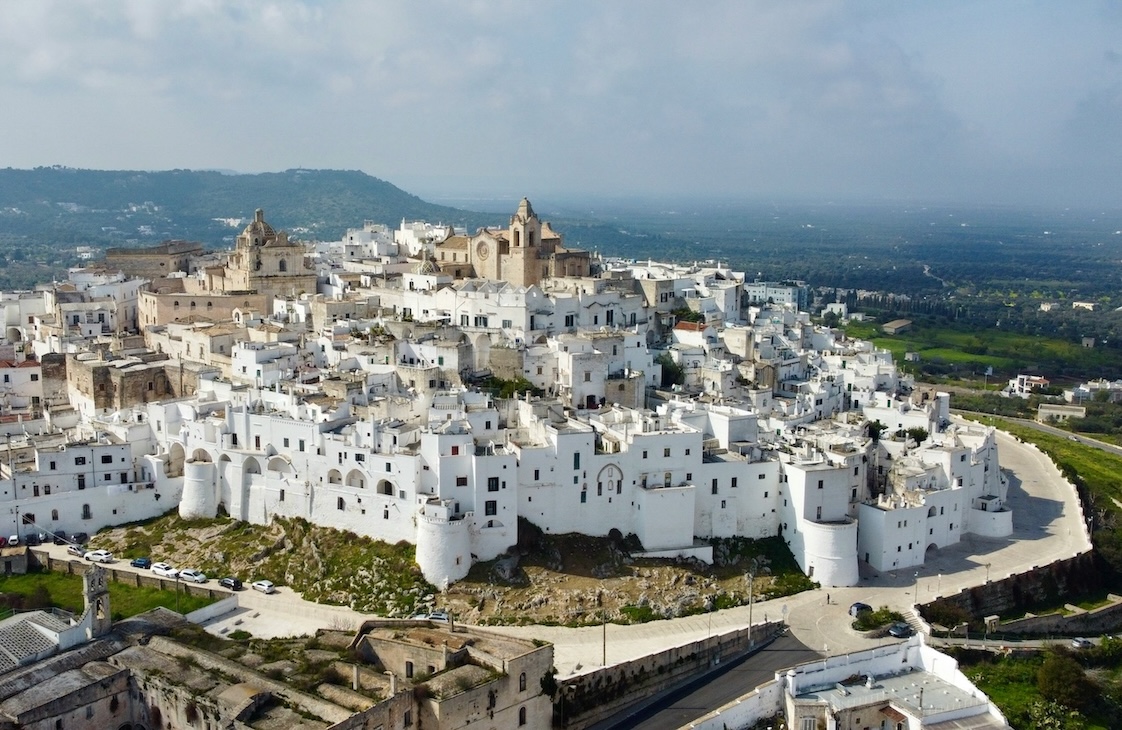
Puglia, the sun-drenched heel of Italy’s boot, is a region known for its rugged coastline, ancient olive groves, and charming historic towns. Among its many treasures are the “white cities” – villages where lime-washed buildings reflect the Mediterranean sun, creating a strikingly beautiful landscape.

These whitewashed towns, perched on hilltops or nestled in the countryside, offer a glimpse into Puglia’s rich history and way of life. Wandering through their narrow alleys, you’ll find sun-drenched piazzas, historic churches, and traditional trattorias where life unfolds at a leisurely pace.

If you’re planning a Puglia tour in 2025, exploring these towns should be at the top of your list. Here’s why they shine—literally and figuratively!

Why Are Puglia’s Towns White?

The tradition of whitewashing buildings in Puglia has several possible origins:
– A Natural Cooling System: The bright white color reflects sunlight, helping to keep homes cool in the hot summers.
– Protection Against Disease: In towns like Ostuni, legend says that lime’s antibacterial properties helped prevent the spread of diseases like the 17th-century plague.
– Moisture Control: Limewash allows the walls to breathe, preventing damage from humidity.
– An Affordable Tradition: Lime was readily available and inexpensive, making it an easy and practical choice.
Whatever the reason, this age-old practice has shaped some of the most picturesque towns in all of Italy. Let’s take a journey through the most beautiful white cities of Puglia.

Ostuni – The Iconic White City

If you’ve seen pictures of Puglia’s white cities, chances are Ostuni was the star. Known as La Città Bianca (The White City), Ostuni sits high on a hill with stunning views over the Adriatic Sea and vast olive groves below.

What to See & Do in Ostuni
– Wander the Old Town: Get lost in the maze of narrow, whitewashed streets, charming courtyards, and hidden staircases.
– Visit the Cathedral: The Gothic-Romanesque Ostuni Cathedral is a masterpiece with an eye-catching rose window.
– Shop for Local Crafts: Browse boutiques selling handmade ceramics, woven baskets, and local delicacies.
– Enjoy an Aperitivo: As the sun sets, sip on a local Primitivo wine or Aperol Spritz in a picturesque piazza.

Locorotondo – A Perfectly Round Jewel

As its name suggests (loco rotondo means “round place”), Locorotondo is a town built in a perfect circle. It’s one of the most tranquil and elegant white towns in Puglia, known for its quiet charm and panoramic views over the Valle d’Itria.

Why Visit Locorotondo?
– Admire the Trulli: The surrounding countryside is dotted with trulli, Puglia’s famous cone-roofed houses.
– Sip Local White Wine: Locorotondo produces some of Puglia’s best crisp white wines.
– Stroll the Historic Centre: Peaceful, pedestrian-friendly, and full of hidden alleyways begging to be explored.
For those on a small group tour of Puglia, Locorotondo is an essential stop for its authentic atmosphere and timeless beauty.

Cisternino – A Culinary Hotspot

Smaller and less touristy than Ostuni or Locorotondo, Cisternino is a food lover’s paradise. Here, you’ll find an authentic slice of Puglian life, where locals gather in lively piazzas and butcher shops double as restaurants!

What Makes Cisternino Special?
– Fornelli Pronti: Visit one of the traditional butcher shops where you can choose your meat, have it grilled on the spot, and enjoy it with local wine.
– Relaxed Atmosphere: This is one of Puglia’s best-kept secrets, where time seems to stand still.
– Charming Streets: Like other white towns, Cisternino is full of tiny alleys, whitewashed houses, and blooming balconies.
For those who want to experience Puglia’s food culture in the most authentic way, Cisternino is a must-visit.

Martina Franca – Baroque Beauty in a Whitewashed World

Unlike the other white towns, Martina Franca stands out for its Baroque palaces and grand churches nestled among its white facades.

What to See in Martina Franca
– Basilica di San Martino: One of the most impressive Baroque churches in Puglia.
– Elaborate Wooden Doors: Martina Franca is famous for its handcrafted wooden doors and intricate stone frames.
– Opera Festival: Every summer, the town hosts the Festival della Valle d’Itria, a prestigious opera festival that draws music lovers from all over Italy.

If you love history, architecture, and culture, Martina Franca is the perfect stop on your Puglia tour.

How to Experience the White Cities Like a Local

– Go in Spring or Autumn: Avoid the peak summer crowds and enjoy mild weather and a relaxed pace.
– Take Your Time: These towns are made for aimless wandering, leisurely meals, and quiet discoveries.
– Enjoy the Food: Try handmade orecchiette pasta, fresh seafood, and Puglia’s incredible cheeses and wines.
– Drive or join a small group tour: Public transport in the Valle d’Itria can be unreliable. A small group tour lets you experience Puglia hassle-free, with expert guides bringing the region’s history to life.

Join our Small Group Puglia Tour this year.

If you’ve ever dreamed of experiencing Puglia’s white cities, now is the perfect time to plan your trip. We are offering four small group tours to Puglia from Australia – with departures in April, May, September and October.
Travel with a small group of like-minded explorers, enjoy exclusive local experiences, and immerse yourself in the charm of Italy’s most beautiful whitewashed villages.

Find out more. 


Read More

13 Jun Discover the charm of Villa Lante – a new highlight in our Great Gardens of Italy tour

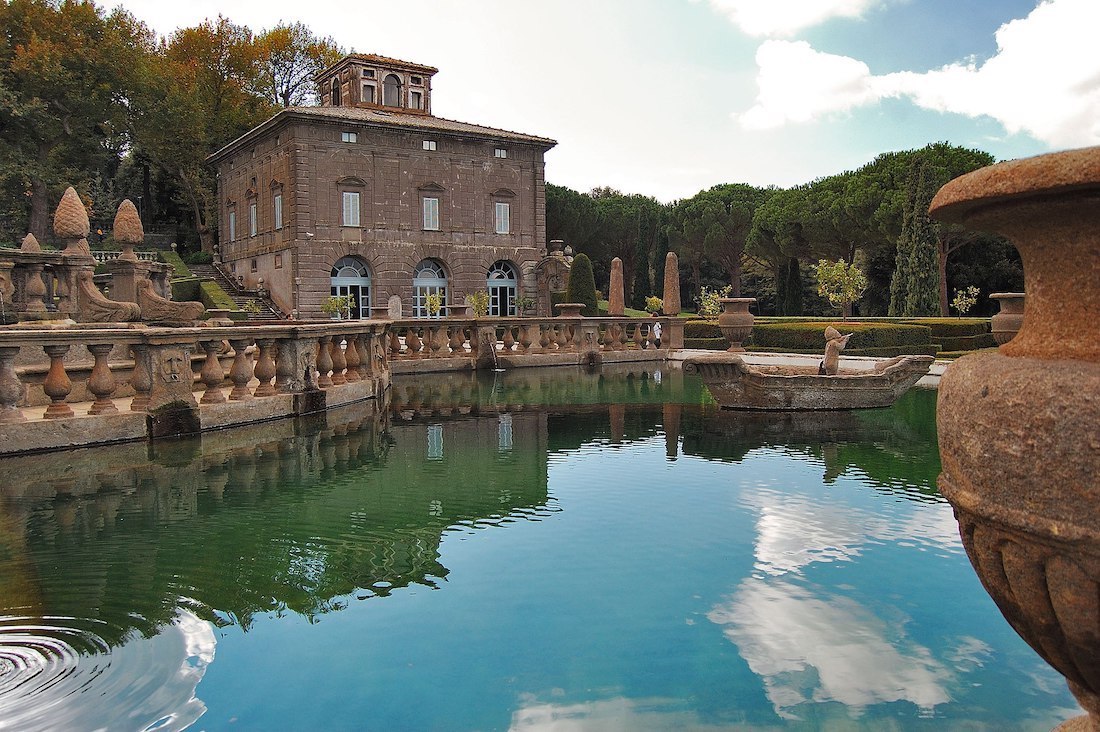
Image by Jeff from Sacromento, CA, CC BY 2.0 via Wikimedia Commons

In 2024, we were thrilled to include the enchanting Villa Lante in our Great Gardens of Italy tour for the first time. Nestled in Bagnaia, near Viterbo, Villa Lante is a masterpiece of Renaissance garden design, celebrated for its remarkable blend of architecture, sculpture, and landscape art.

A Glimpse into History
Villa Lante was conceived in the late 16th century and primarily designed by the renowned architect Giacomo Barozzi da Vignola. Commissioned by Cardinal Gianfrancesco Gambara, the villa and its gardens were intended as a grand statement of the cardinal’s status and taste. After Gambara’s death, his successor, Cardinal Alessandro Montalto, further enhanced the estate, adding his personal touch to the gardens and buildings.

The villa itself comprises two nearly identical small palaces, or casini, known as Gambara and Montalto. These buildings are adorned with frescoes and intricate architectural details that reflect the Renaissance love for classical antiquity and humanist themes​.

The Gardens: A Symphony of Water and Art
The gardens of Villa Lante are a testament to the artistry and engineering of the Renaissance period. Designed to delight and surprise, the gardens feature a series of terraces that cascade down a gentle hillside, each level revealing a new marvel of design. Water is a central theme, ingeniously integrated into the landscape through fountains, cascades, and water chains.

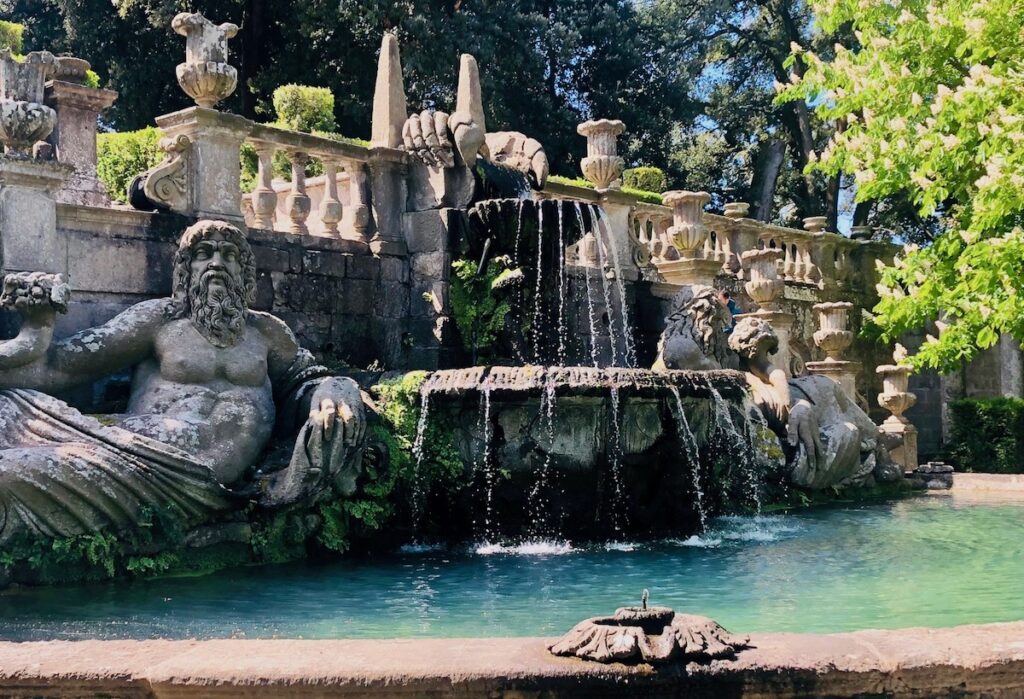
At the heart of the garden lies the Quadrato, a perfectly square parterre enclosed by high box hedges. Here, you will find the magnificent Fontana dei Mori, a complex fountain featuring life-sized statues of Moors holding the heraldic symbols of the Montalto family. This fountain is a focal point, surrounded by meticulously sculpted boxwood and ornate stone decorations.

Another highlight is the Fountain of the Lamps, a circular, multi-tiered fountain where water jets mimic the flickering of oil lamps. This playful use of water continues with the Cardinal’s Table, a long stone table with a central water channel designed to keep food and wine cool during outdoor feasts.

The upper terraces of the garden showcase even more water features and grottos, culminating in the Fountain of the Deluge, a dramatic representation of the biblical flood, complete with sculpted river gods and a water chain that symbolises the rejuvenating power of water.

Experience Villa Lante with Us

In 2025, come to Italy and visit Villa Lante, a place where art, nature, and history converge. These visually stunning gardens are not just a feast for the eyes, but also rich with symbolism and historical significance, making your visit a truly immersive experience.

For more details and to secure your spot, visit our website and download the full itinerary of our popular Italian garden tour. Take advantage of this extraordinary journey into Italy’s botanical treasures!

We are in the process of finalising our 2025 tour programme, so keep an eye on our website, as we are constantly adding new tours.

If you’ve been eyeing a particular tour from our 2024 lineup, please send us an email, and we’ll give you the latest updates on our plans for that tour in 2025.

Read More

13 Jun Italy’s Quiet Masterpieces: Some lesser known museums in Rome, Milan and Venice

If you’re a lover of history and art or simply curious about these cities’ rich heritage, we’ve assembled a selection of museums that provide a unique glimpse into Italy’s vibrant past. Away from the usual hustle, these spots offer a more tranquil and rewarding visit.

Be sure to add these spots to your trip plan!

Rome

Centrale Montemartini
Address: Via Ostiense, 106, 00154 Roma RM
Located in the Ostiense district, about a 15-minute metro ride from the Colosseum, Centrale Montemartini is a unique fusion of industrial architecture and classical art. Once a power plant, this museum now houses an impressive collection of ancient Roman sculptures, dramatically set against a backdrop of old machinery. It’s a fascinating contrast that brings history to life in a truly unexpected way.

Palazzo Altemps
Address: Piazza di Sant’Apollinare, 46, 00186 Roma RM
Tucked away near Piazza Navona, just a 5-minute stroll from the bustling square, Palazzo Altemps is a Renaissance palace that houses a collection of ancient Roman and Egyptian artifacts. The museum is a quiet oasis where you can admire beautifully preserved sculptures and frescoes in an opulent, historic setting. It’s a perfect stop for those seeking art with a touch of grandeur.

Milan

Poldi Pezzoli Museum
Address: Via Alessandro Manzoni, 12, 20121 Milano MI
Located in the stylish Brera district, just a 5-minute walk from the Teatro alla Scala, the Poldi Pezzoli Museum is an elegant former residence turned museum. It houses an eclectic collection of Renaissance paintings, decorative arts, and armour. This museum offers a quiet, refined atmosphere where you can appreciate art in a beautifully curated setting.

Museum of Science and Technology (Leonardo da Vinci)
Address: Via San Vittore, 21, 20123 Milano MI
Found in the Sant’Ambrogio neighbourhood, about a 10-minute walk from the Last Supper, this museum is a haven for science and history enthusiasts alike. Dedicated to Leonardo da Vinci’s genius, it features models of his inventions and exhibits on space, transport, and energy. It’s a fascinating, educational experience ideal for those wanting to delve deeper into the mind of one of history’s greatest thinkers.

Scuole Grande di San Rocco – Photos by Alexandru Ionescu on Unsplash

Venice

Scuola Grande di San Rocco
Address: San Polo, 3052, 30125 Venezia VE
Situated in the San Polo district, just a 10-minute walk from the Rialto Bridge, the Scuola Grande di San Rocco is a hidden masterpiece. This historic confraternity building is adorned with dramatic works by the Venetian painter Tintoretto. Every inch of this grand hall is covered in art, offering a breathtaking glimpse into Venice’s artistic golden age, away from the usual tourist trail.

Fortuny Gallery
Address: San Marco, 3958, 30124 Venezia VE
Nestled in the heart of the San Marco district, a short walk from La Fenice Opera House, the Fortuny Gallery is a lesser-known gem. Housed in a Gothic palace, the museum showcases the work of Mariano Fortuny, a multi-talented artist and designer. From textiles to lighting design, this museum offers an intriguing look at Fortuny’s innovative contributions to the arts.

Visiting these lesser-known museums allows you to immerse yourself in the rich history and culture of Rome, Venice, and Milan without the usual crowds. Each of these venues offers not only the opportunity to view extraordinary art and artifacts but also to journey back in time, uncovering narratives that are often missed by the typical tourist path.

We hope these recommendations inspire your next Italian adventure. We’d love to hear about your experience if you visit any of these museums!

MAIN IMAGE  from the Centrale Montemartini by Carole Raddato from FRANKFURT, Germany CC BY-SA 2.0 , via Wikimedia Commons

Read More

23 Jan Monza – An undiscovered treasure on the doorstep of Milan

Image by James Steakley, CC BY-SA 3.0, via Wikimedia Commons

Nestled in the heart of Lombardy, just a short drive from Milan, Monza is a largely undiscovered destination steeped in history and culture. If you’re looking for a day trip from Milan, Monza might be just the thing. This charming city is a treasure trove of historical significance and architectural wonders. 

Monza’s history dates back to Roman times, but it truly rose to prominence during the Middle Ages, when it was a more significant centre than Milan. 

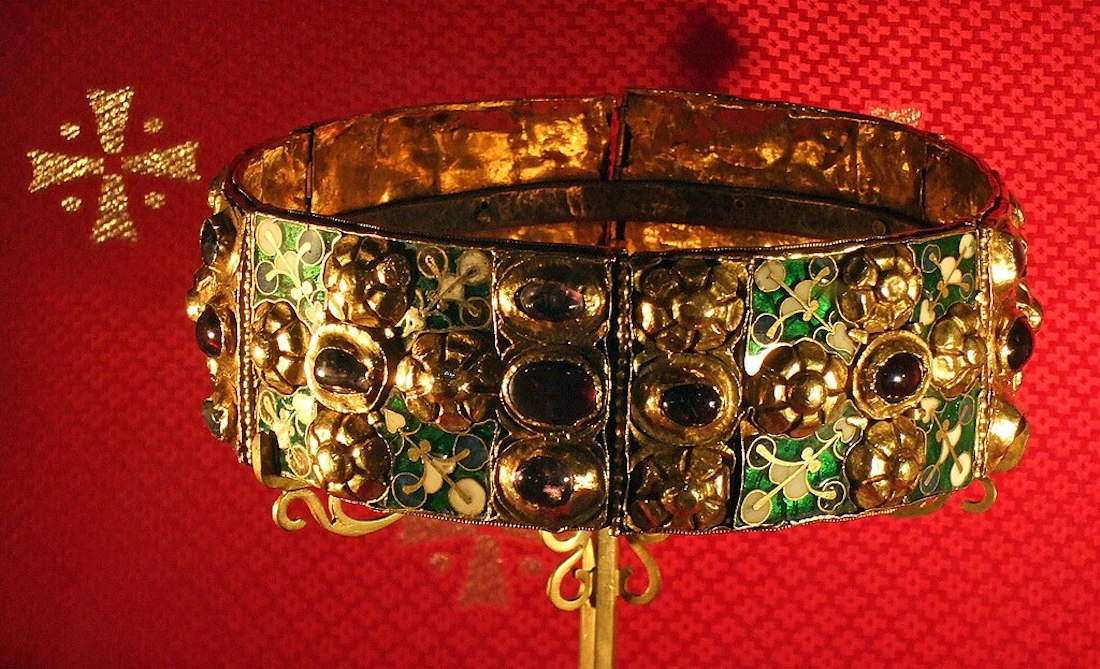
The city’s crown jewel is the stunning Basilica di Monza, a masterpiece of Romanesque-Gothic architecture. This cathedral houses the Iron Crown of Lombardy, said to contain a nail from the True Cross and to symbolise the unity of the Lombard people. Legend has it that the crown was used in the coronation of Charlemagne in 774 and was definitely used throughout the Middle Ages in the coronations of various Holy Roman Emperors, including Napoleon. The Iron Crown is a circlet made of gold and set with precious gems. Recent scientific studies indicate that its current form can be traced back to modifications made between the 4th and 5th centuries and the 9th century. It is likely a late antique royal symbol, potentially of Ostrogothic origin, passed down to the Lombard kings and eventually acquired by the Carolingian monarchs.

Other things thing to see in Monza: 

  1. Chapel of Teodolinda: A chapel set on the northern side of the Basilica di Monza, the Teodolinda Chapel houses the Iron Crown. It contains a beautiful fresco cycle, recently restored, that depicts scenes from the life of Teodolinda, the 6th Century Queen of the Lombards. 
  2. Villa Reale (Royal Palace of Monza): Wander through the expansive park surrounding the Villa Reale, a neoclassical masterpiece commissioned by Empress Maria Theresa of Austria. The palace and its grounds offer a serene escape from the hustle and bustle of the city.
  3. Autodromo Nazionale Monza: For racing enthusiasts, visiting the famous Monza Circuit is a must. This historic racetrack has hosted Formula One races since 1922 and is a shrine for motorsport fans.
  4. Arengario Palace: Explore the Arengario Palace, which houses the Civic Art Collections and Contemporary Art Gallery. The palace itself is an architectural gem, and the collections inside showcase historic and contemporary Italian art.
  5. Monza Park (Parco di Monza): Enjoy a leisurely stroll or a bike ride through Monza Park, one of the largest enclosed parks in Europe. The park features lush greenery, charming bridges, and the historic Royal Villa.


Culinary Delights:

No visit to Monza would be complete without trying the local cuisine. Indulge in traditional Lombard dishes at one of the many charming restaurants around the city. Local specialities include Risotto alla Monzese, a creamy risotto featuring saffron, a nod to the Lombard countryside’s agricultural heritage. Another must-try is Cassoeula, a savoury pork and cabbage stew, representing the hearty fare enjoyed during colder months. Also try the local cheese and Brianza salami, which are made in the area just outside Monza. 


We visit Monza on our Italian Lakes and Lombardy tour in June 2024. 

Read More

05 Jan Five Hidden Gems of the Veneto

The Veneto boasts some of Italy’s most popular tourist attractions, like Venice and Verona, but it also contains hidden gems that are often overlooked and underestimated. You can discover these treasures that lie off the usual tourist path, even in popular destinations. Whether it’s the tranquil trattorias and the serene lagoon at Torcello in Venice or the symmetrical and breathtaking Giardino Giusti in Verona, there’s something to captivate everyone.

Here are five lesser-known places you should consider if you visit this extraordinary corner of Italy. We include each location on our The Lands of the Serenissima tour of the Veneto in June this year.


1. The Scrovegni Chapel: A Frescoed Masterpiece

Padova’s Scrovegni Chapel is an artistic jewel housing a series of breathtaking frescoes by Giotto. The chapel was consecrated in 1305 and is renowned for its narrative cycle depicting the lives of the Virgin Mary and Christ. The artist’s masterful use of perspective and emotional depth was celebrated at the time; it revolutionised art and influenced the newly emerging style, which would later be known as the Renaissance. The meticulous preservation of the chapel and its enormous cultural significance make it a must-visit location. Even for those less excited about art, the experience of being part of a small group walking into this space where vivid colours surround you is spellbinding.

2. Prosecco Hills: A Toast to Tranquility

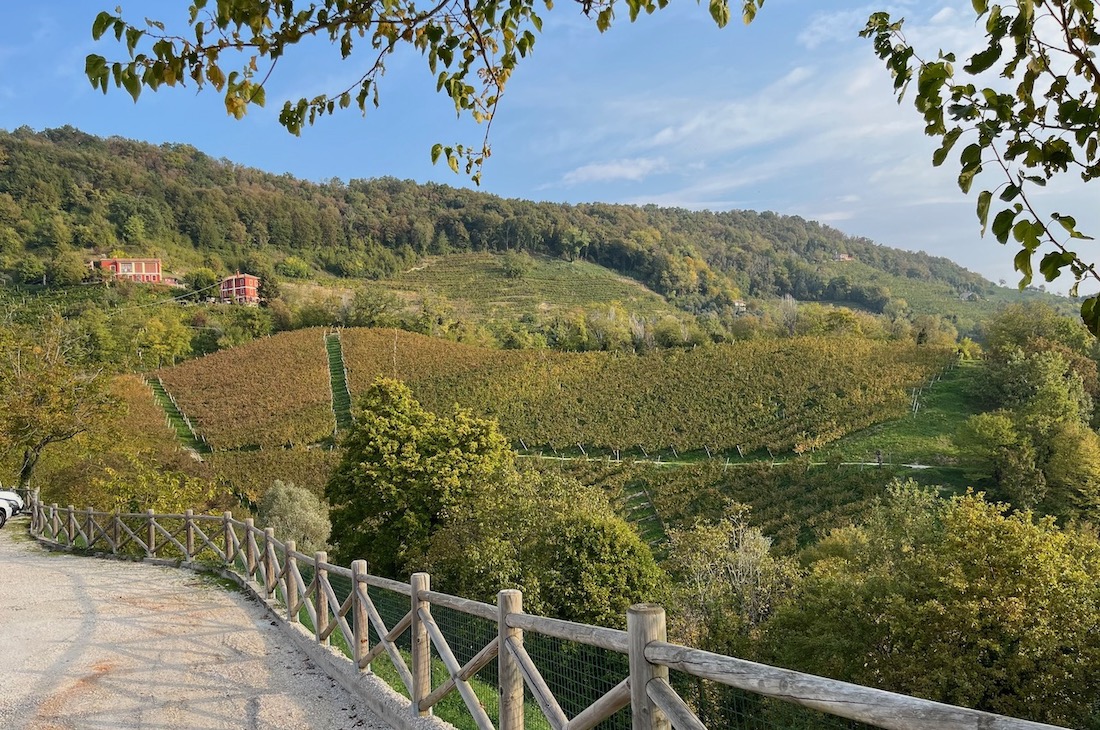
The Prosecco Hills is a stunning landscape of soft green contours in the foothills of the Dolomites. Part of the area features the vine-covered slopes that make its much-appreciated wine. But it’s also an area for cultivating chestnuts, corn and cheese. It has castles, abbeys, and hilltop churches with impressive views and thousands of years of history. At Follina, the Abbey is a quiet witness to the passing years. The Molinetto della Croda, a nearby watermill, was built in the 1700s. Not far off, the Pieve di San Pietro, a historic church, adds its presence to the unmistakable charm of the surroundings. In the Prosecco Hills, the muted atmosphere lets the heritage of the land speak for itself.

3. Marostica: Living Chess and Medieval Charms

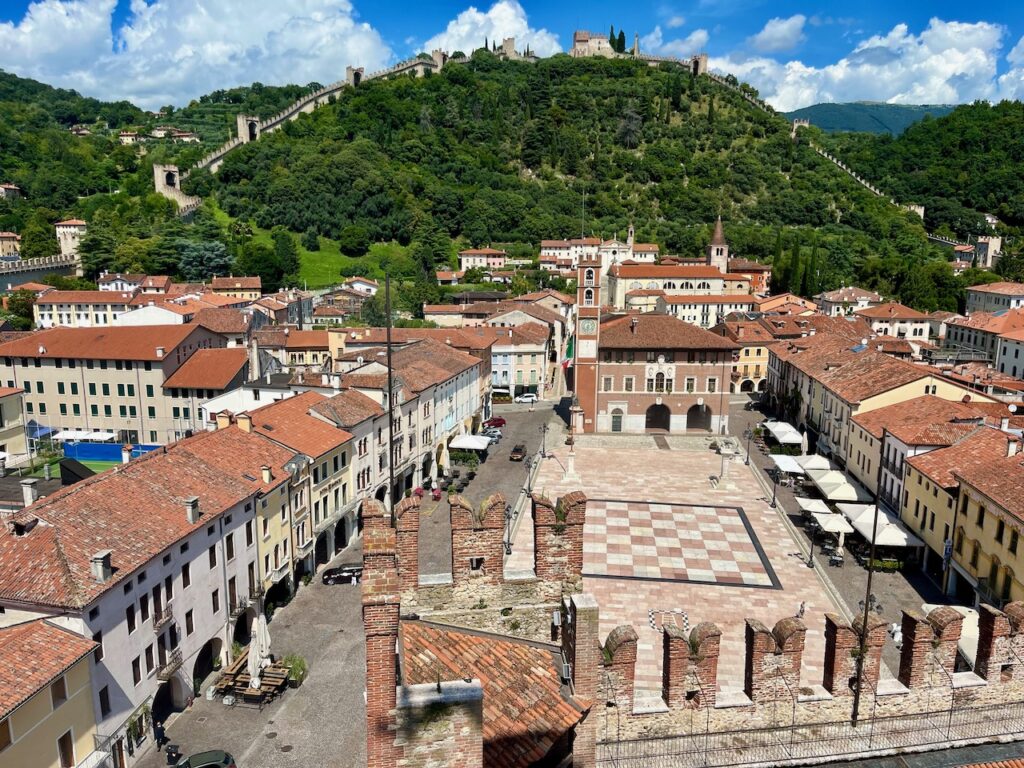
Marostica is a small town with a charming medieval feel. It is famous for its twice-a-year chess game, which takes place on a giant chessboard in the town square and is played with live actors in pageant costumes. The town has meandering cobblestone streets and mediaeval walls watched over by the Lower and Upper Castles. It is not on the regular tourist trail, and the atmosphere resembles a typical provincial town, albeit with impressive attractions.

4. Cittadella: A Fortress Frozen in Time

Cittadella is a small walled city. It was built in the 13th century, and its walls remain largely intact, making it a fascinating spot to visit. You can walk along the walls and explore the city’s many towers, gates and other architectural features. The town also boasts several beautiful churches, museums and galleries, and restaurants and cafes serving local cuisine. Cittadella is a charming and picturesque town that offers a glimpse into medieval Italian life.

5. Vicenza: Palladian Elegance

Vicenza holds a remarkable collection of architectural wonders and a deep cultural heritage. The city is an ideal destination for architecture enthusiasts, who can marvel at the Palladian Basilica and the Teatro Olimpico, among other notable landmarks. The charming streets offer plenty of opportunities to take a leisurely stroll and soak up the local atmosphere. Surrounding the city is the natural beauty of the Berici Hills, which is perfect for outdoor activities.

Discover these hidden gems and others on our Veneto tour,  Lands of the Serenissima, which aims to reveal Veneto’s unique secrets by including a mixture of culture, scenery, food, personal time and fun.

Read More

21 Nov Discover the Valtellina – An Alpine Paradise

Known as the “Alpine Jewel of Lombardy,” the Valtellina valley offers an enchanting getaway for travellers seeking a blend of rich history, captivating architecture, and the majesty of the Alps. Nestled in the heart of Lombardy, this hidden gem is a true revelation. Nature, culture, and adventure blend perfectly to create an unforgettable experience.

Key Attractions

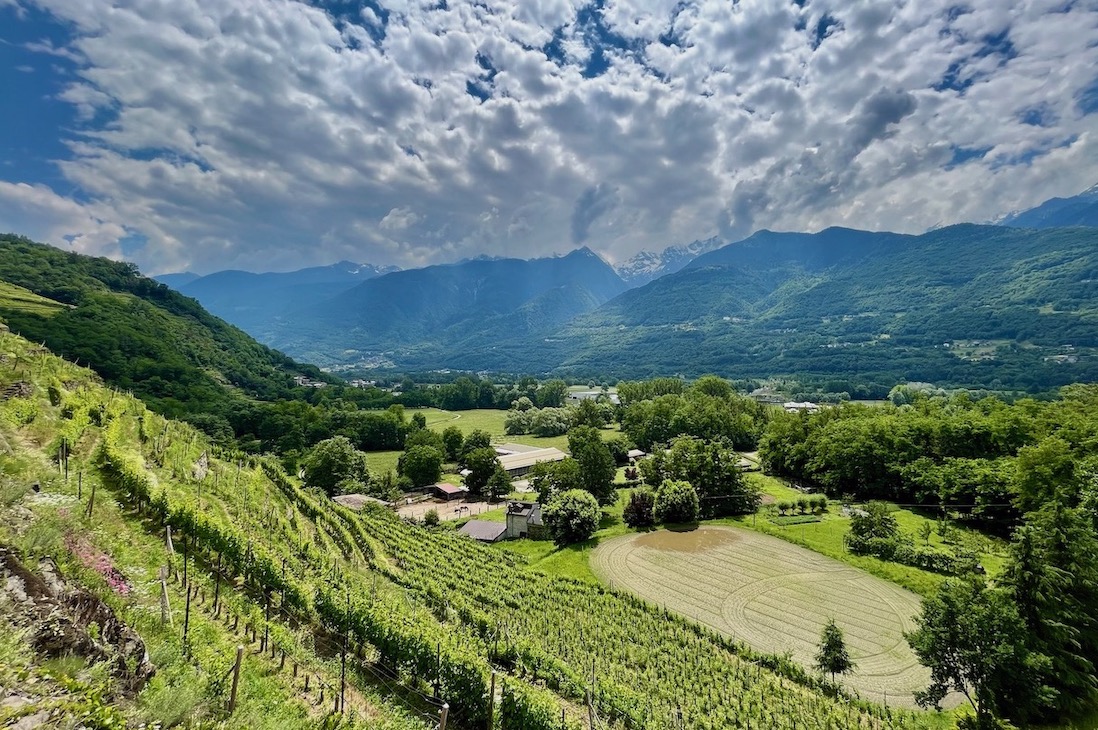
Discover the region’s rich history through visits to historical sites, including well-preserved Roman ruins, medieval castles, and churches that showcase the area’s cultural heritage. Immerse yourself in the stunning alpine panorama of the Valtellina, where snow-capped peaks, lush forests, and pristine rivers define the landscape.

Sondrio’s Charm
Sondrio, the capital of the area, is a vibrant hub of culture and traditions. It hosts many festivals and events throughout the year, celebrating the region’s music, arts, and folklore in grand style.

Winemaking Wonders
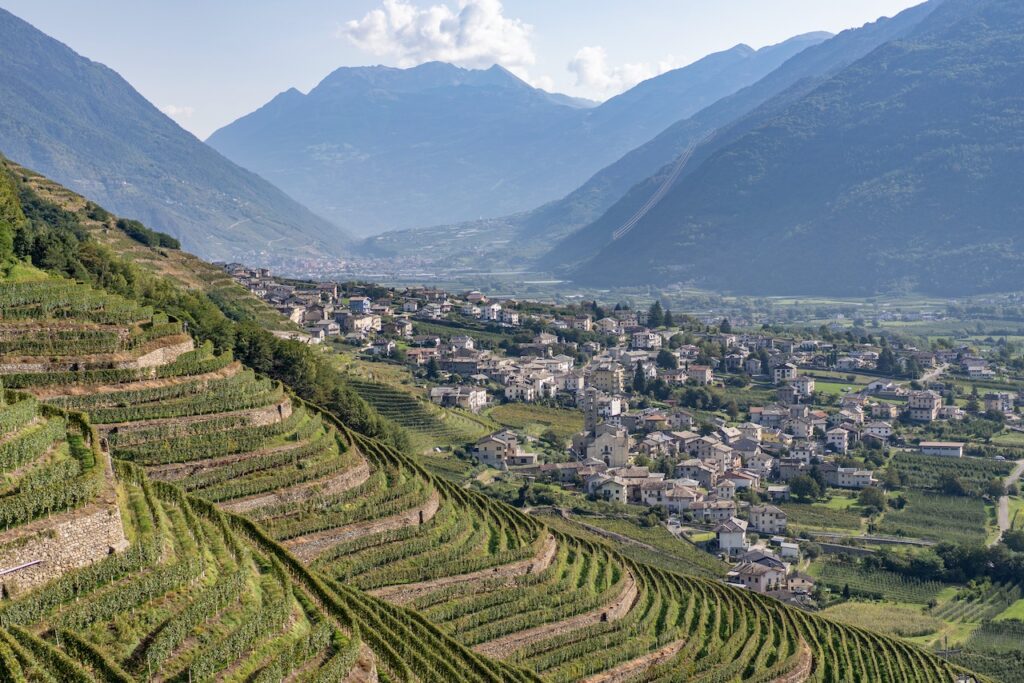
The valley boasts a rich tradition of winemaking, where Nebbiolo grapes reign supreme. The region’s unique climate and terraced vineyards conspire to craft exquisite Valtellina wines, a delight for connoisseurs.

Historical Treasures
Step back in time as you explore charming historical towns and villages, each showcasing its unique architectural heritage. Medieval castles, churches, and traditional stone houses reveal the region’s rich history.

Spectacular Railway Journeys
Tirano, a quaint mountain town, is the gateway to a breathtaking journey. The Bernina Express starts from here, treating you to awe-inspiring mountain vistas all the way to St. Moritz in Switzerland.
Culinary Delights

The Valtellina’s cuisine reflects the region’s diversity, with different areas offering their own specialities and variations on classic dishes. This regional diversity adds depth and complexity to the local food culture. The area’s proximity to the Alpine region means its cuisine incorporates ingredients and flavours typical of the mountain cultures. This includes hearty, nutrient-rich foods such as buckwheat, cheese, and air-dried meats.

Pizzoccheri
You must experience the local speciality of pizzoccheri, a type of buckwheat pasta that’s a favourite comfort food in the Valtellina. It’s often served with a mouthwatering combination of potatoes, cabbage, garlic, sage, and cheese, creating a hearty and flavoursome dish.

Bresaola
Savour the richness of bresaola, an air-dried beef delicacy for which the Valtellina is famous. This cured meat is typically sliced thinly and served with a drizzle of olive oil, lemon juice, and fresh ground pepper, creating a perfect balance of flavours.

Sciatt
Don’t let the unappetising name put you off this irresistible alpine treat. These fried cheese balls are as indulgent as they sound, with a crispy exterior and a gooey, cheesy centre. They are often served with lingonberry jam, adding a touch of sweetness to the savoury experience.

Honey
The local honey comes in a surprising number of varieties, including rhododendron, chestnut, linden, alpine multiflora, and acacia. The province of Sondrio features a total of 6,000 hives alone.

Explore the Outdoors

The stunning alpine landscapes make it the perfect canvas for outdoor enthusiasts. Whether you’re an avid hiker, a passionate cyclist, or simply someone who loves to breathe in the fresh mountain air, Valtellina offers many thrilling experiences. With its network of hiking and trekking trails, challenging mountain biking routes, and opportunities for wildlife spotting, this region invites you to explore its pristine natural beauty.

Wildlife Wonders
Discover the biodiversity of the area’s nature reserves and wildlife sanctuaries. Rare bird species, mammals, and reptiles await your observation in these protected havens. Stelvio National Park is the largest park in the Alps, spanning valleys formed by glaciers and the waters that flow down from the imposing Ortles-Cevedale mountains.

Cycling Paradise
Calling all cyclists and mountain biking enthusiasts! Valtellina beckons with its scenic routes and challenging mountain trails, a paradise for bikers from around the world. The “Sentiero Valtellina” is a trail covering almost the entire breadth of Valtellina and Valchiavenna.

Winter Wonderland
For snow enthusiasts, the valley transforms into a winter wonderland from late December to early April. Skiing, snowboarding, and a range of winter activities await in renowned resorts such as Bormio, Livigno, and Aprica.


We spend a beautiful day in the Valtellina on our Italian Lakes Discovery Tour 

Read More