Puglia Tag

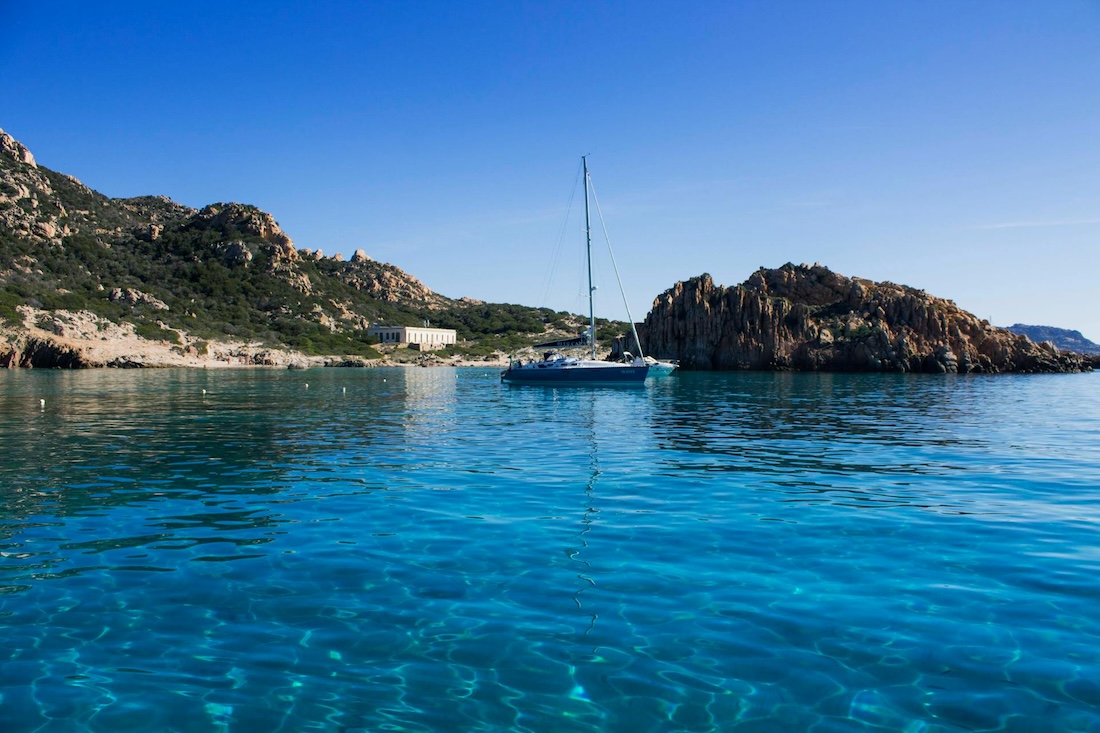
View of a sailboat in clear water, Sardinia

11 Feb A Year in Italy: Places We’re Looking Forward to Visiting in 2026

For most of 2026, we’re going to be living in Italy.

We’re currently based in Udine, in the Friuli Venezia Giulia region, and this year gives us something quite rare in our line of work: time. Time to stay in one place a little longer, to return to regions we know well and look at them more carefully, and to explore others we’ve been meaning to understand better for years.

Some of our travel this year is directly connected to the tours we already run. Some of it is research for future itineraries. And some of it is simply about seeing Italy with fresh eyes, without rushing from one appointment to the next.

Rather than compiling a grand “must-see” list, we thought we’d share a handful of regions that are very much on our radar in 2026, and what draws us to each of them.

Friuli Venezia Giulia

Being based in Friuli Venezia Giulia has given us the chance to spend time in places we might otherwise only pass through. We’ve been taking short trips into the Julian Alps, heading up to towns like Tarvisio and Malborghetto, enjoying the mountain scenery and the feeling of openness that comes with being so close to the border regions.
One city I’m particularly looking forward to getting to know better is Trieste. For centuries, it was the main port of the Austro-Hungarian Empire, and that layered history is still evident today in its regal architecture, broad squares, and elegant cafés. Set right on the sea, with a long waterfront promenade and a slightly different rhythm to much of Italy, it’s a place that appears both Italian and distinctly its own.


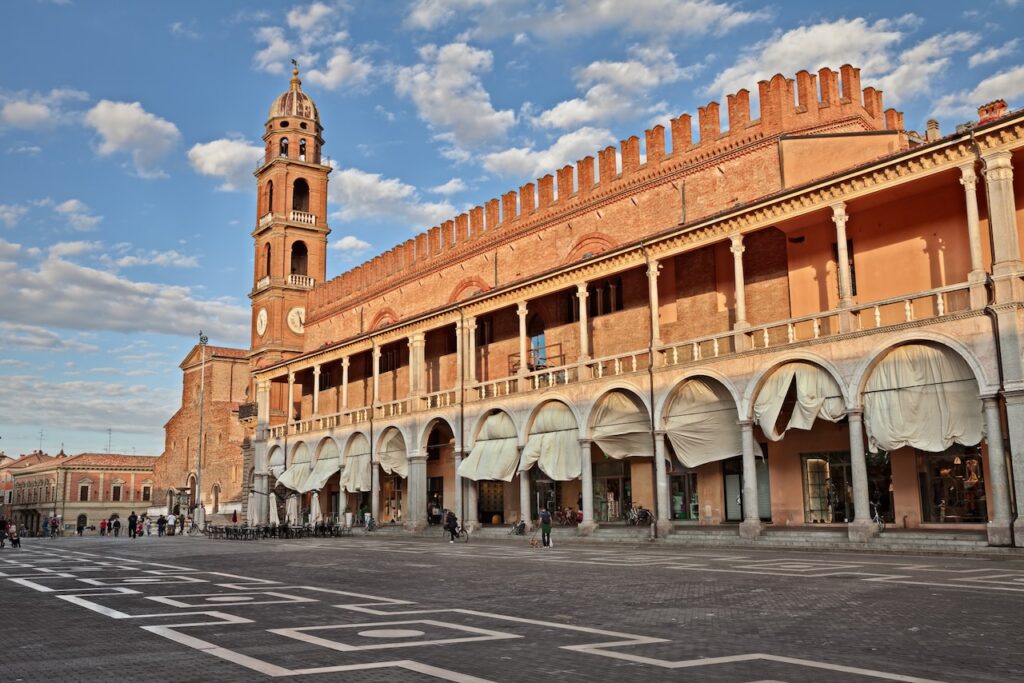
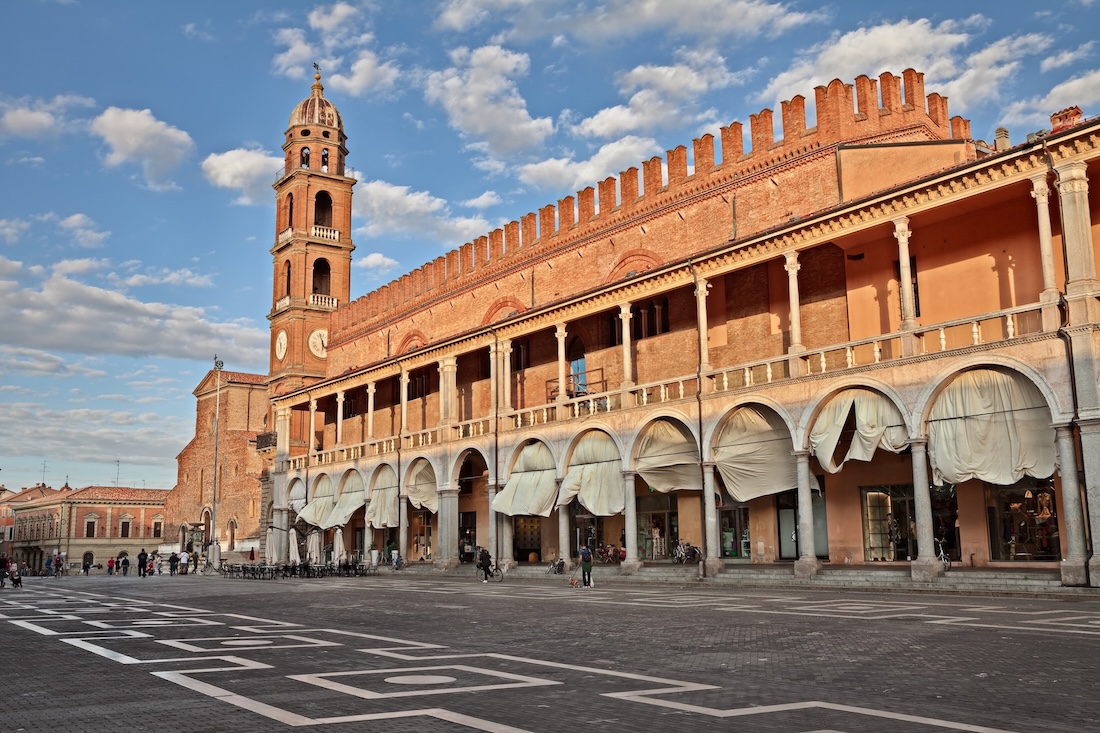
Piazza del Popolo in Faenza, Emilia Romagna

Faenza

Emilia-Romagna

We’ll also be spending time in Emilia-Romagna this year as we prepare for our new tour in the region. We’re heading to Bologna in the coming weeks to reacquaint ourselves with the city and to revisit some of our favourite places. Bologna is fiercely proud of its culinary traditions; this is, after all, the home of tagliatelle al ragù, tortellini and mortadella, and that deep respect for traditional food culture is at the heart of the city.
Beyond Bologna, we’ll be spending time in the Romagna hills and in Faenza. Faenza has been associated with ceramics since the Renaissance, and even gave its name to “faience”, the tin-glazed pottery that was exported across Europe for centuries. Today, the city is not only attractive in its own right but home to a remarkable number of ceramic workshops, where traditional techniques sit comfortably alongside contemporary work. It’s a place where craft is still part of everyday life, and we’re looking forward to spending time there.

Sardinia

Sardinia is a place we’ve been curious about for a long time, but haven’t yet had the chance to explore properly. What draws us to it is the sense that it sits a little apart from the rest of Italy, defined by layers of history that feel quite distinct. The Nuragic civilisation, dating from roughly the Bronze Age (around 1800–500 BCE), is unique to the island, and that’s just one chapter in a long story that also includes Phoenician, Roman and later Spanish influences.
From what we’ve read and heard, Sardinia offers a striking mix of landscapes and cultures, from mountainous interiors and small rural communities to long coastlines defined by fishing and trade. Its food is often described as simple and closely tied to local produce, influenced by both pastoral life and the sea. We’re very much looking forward to getting to know it for ourselves.

The Dolomites

Every visit to the Dolomites is a reminder of just how beautiful this part of Italy is. As the weather warms up, we’re looking forward to spending more time there and getting to know the area on foot. Walking is one of the best ways to experience the Dolomites, allowing you to move through the landscape at a gentle pace and really take in the scale and variety of the scenery.
We’re currently considering a more walking-focused tour in the Dolomites. Not long or demanding hikes, but manageable walks, balanced with good local food and wine, and excursions to visit cultural sites and small local producers. It’s about spending time in the landscape without feeling hurried, and experiencing the region in a style that feels relaxed and well-rounded.

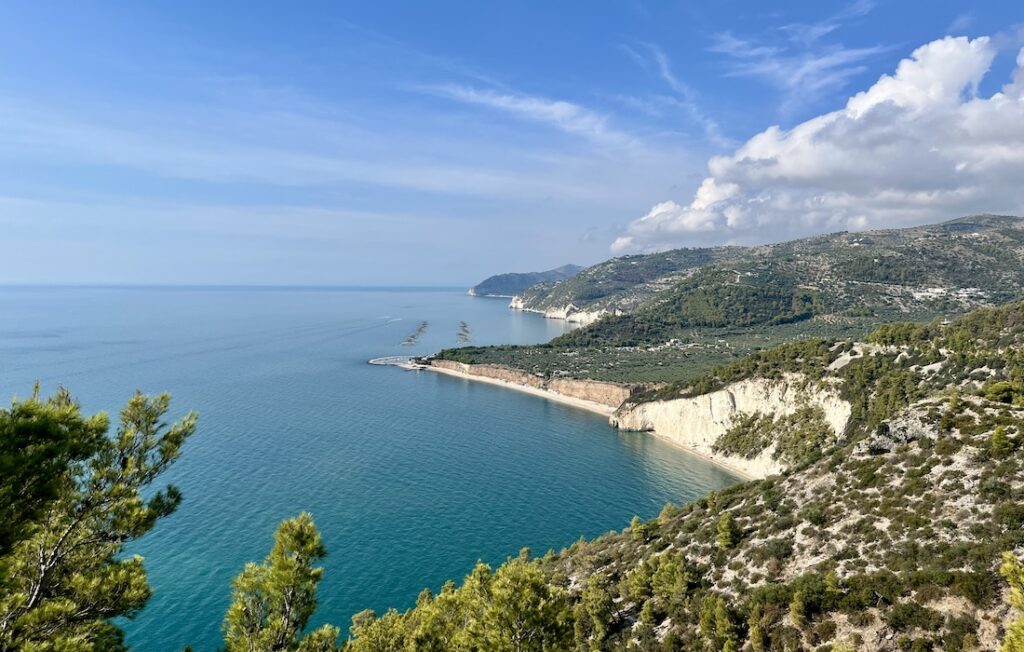
Puglia summer coastal view

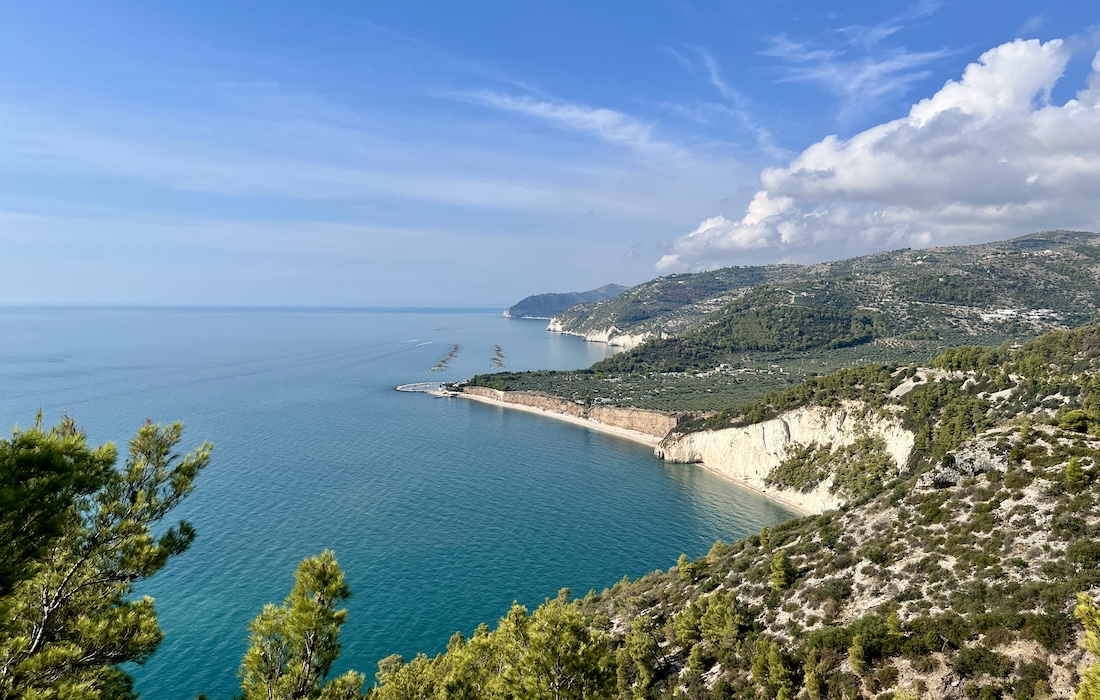
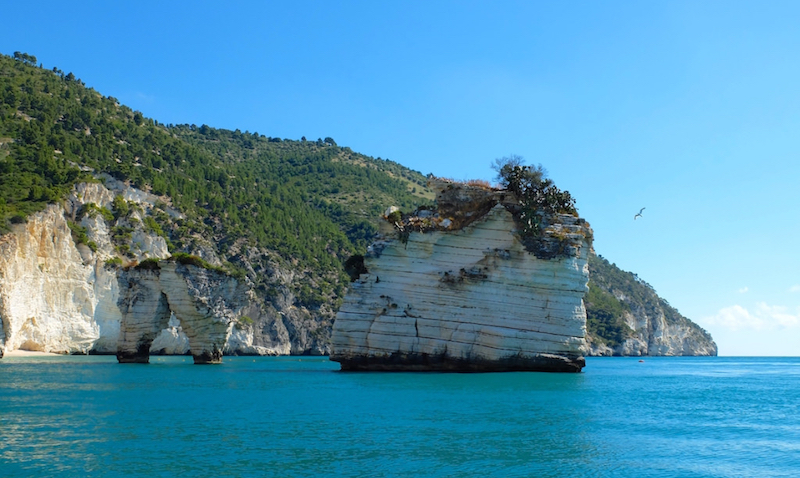
The Gargano coast

Puglia

And finally, Puglia. This is a region that continues to draw us back, for the warmth of the hospitality, the coastline, and the quality of the local food. Over the year ahead, we’ll be revisiting different parts of the region, from the Gargano Peninsula in the north to the Adriatic coast around Polignano a Mare and Bari, always with an eye to small details and new experiences.
Returning to Puglia year after year helps us make small, practical decisions about pacing, route choices, and where to spend our time.

Thinking of travelling with us in 2026?

If you’d like to experience Puglia with us, our 2026 The Road Less Travelled – Puglia tour still has limited availability for September and October departures.

Or join us in Emilia-Romagna in September 2026 as we explore Bologna, the Romagna hills and the region’s remarkable food traditions.

Read More

24 Aug From Tree to Table: The Ancient Olive Groves of Puglia

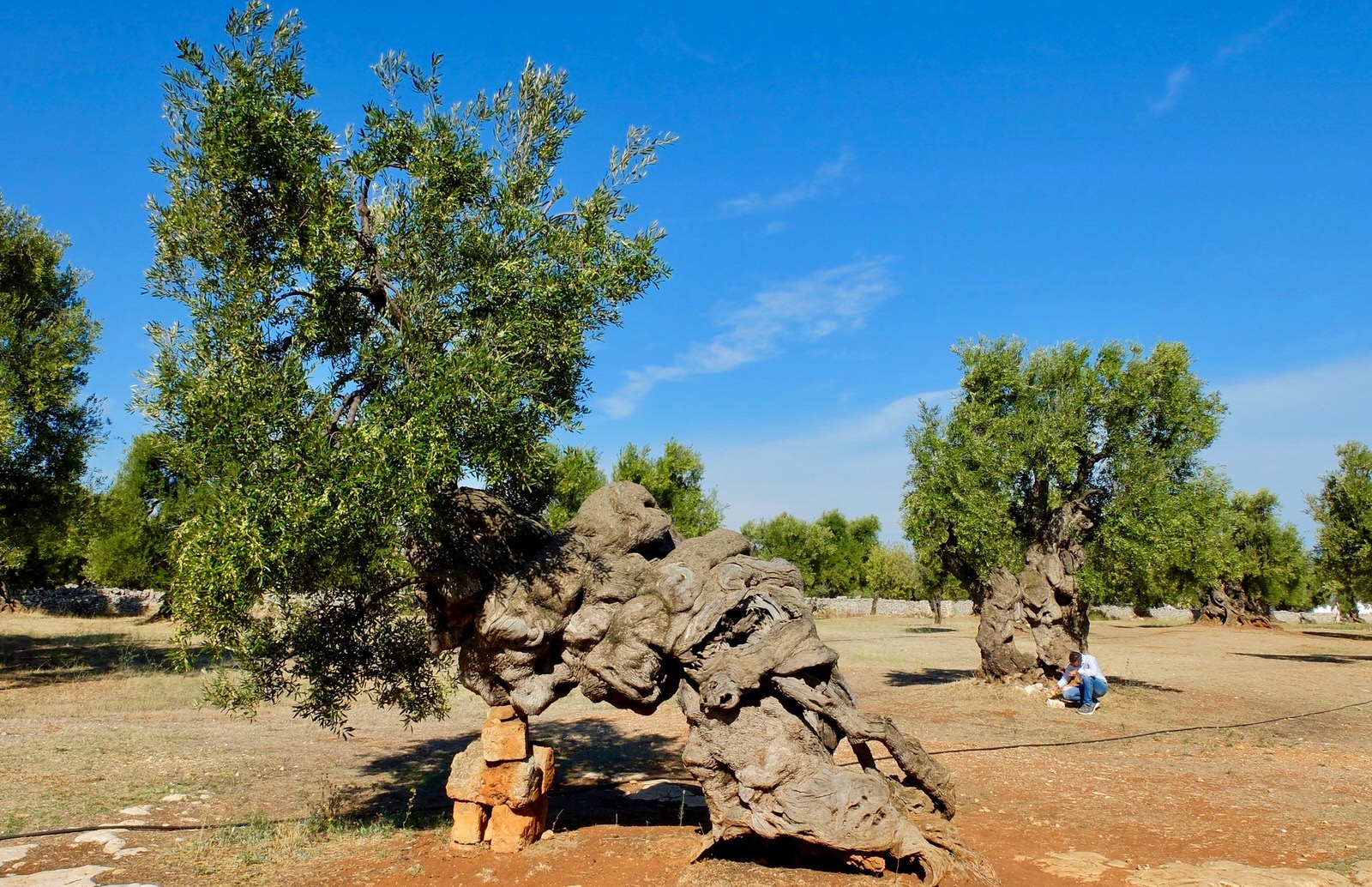
In Puglia, olive oil isn’t just something you cook with — it’s part of the landscape. Drive almost anywhere in this southern region of Italy and you’ll see them: rows of silvery-green trees stretching to the horizon, their twisted trunks shaped by centuries of wind and sun. Some stand in neat commercial groves, others in small family plots, and a few are so ancient they have seen empires come and go.

For the Pugliese, olive oil is more than a product. It flavours their meals, anchors their traditions, and, in many cases, provides a small but steady income. Spend a little time here and it quickly becomes clear: the olive tree is as much a part of Puglia’s identity as its whitewashed towns and its sunny Adriatic coast.

The Roots of a Tradition
Puglia’s relationship with the olive tree goes back thousands of years. The Greeks and later the Romans cultivated olives here, spreading groves across the region and turning olive oil into one of the Mediterranean’s most valuable commodities. It was used not only in kitchens but also for lighting lamps, making soaps, and in religious rituals.

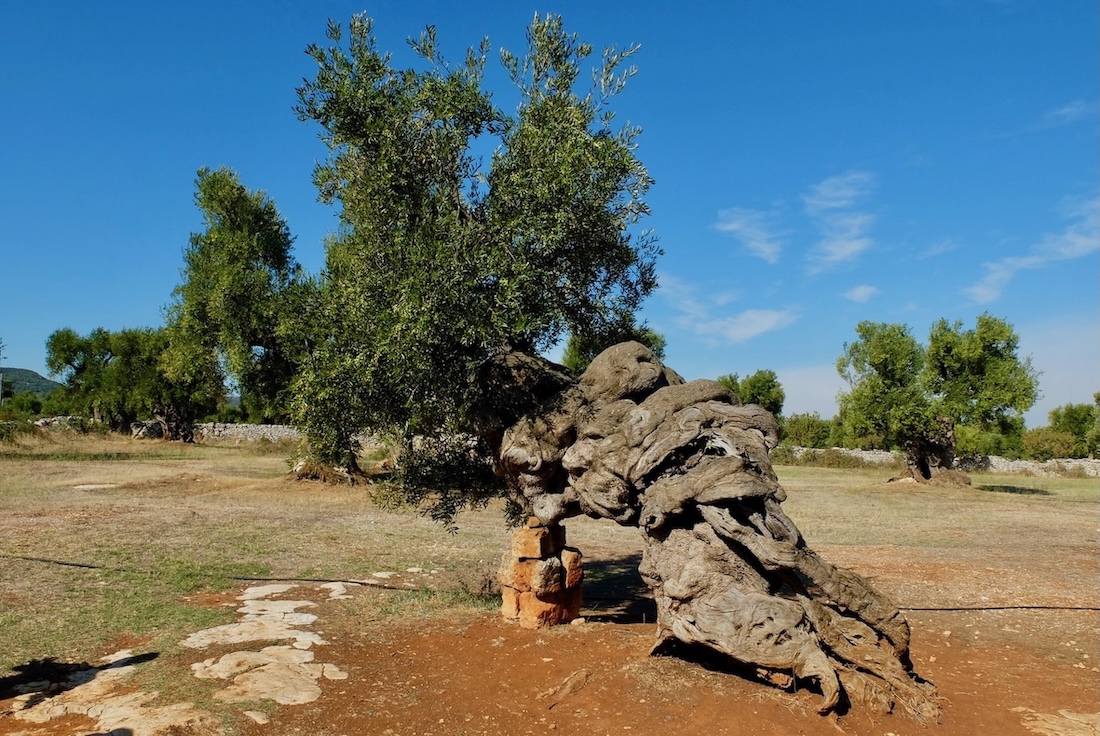
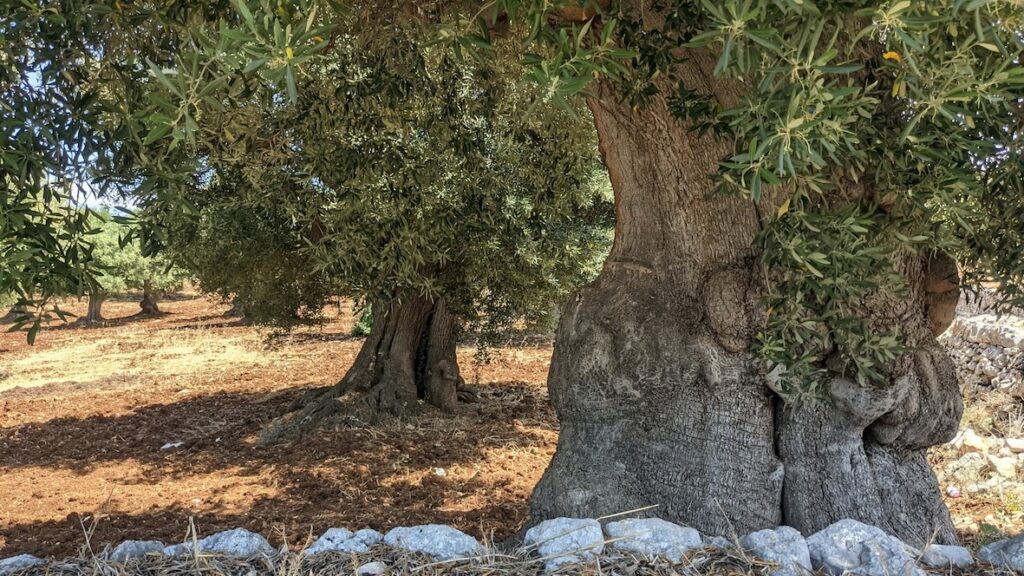
Some of those early groves survive to this day. Many of the region’s trees are over a thousand years old, their thick, gnarled trunks twisting and splitting into sculptural forms shaped by weather and regrowth. A few are so large that it takes several people holding hands to circle their base. Walking among them is like stepping into living history.

Today, Puglia is Italy’s largest olive oil producer, responsible for around 40% of the national output. What makes it special, though, is that production is still rooted in countless small growers, each tending their own patch of land.

The Land and Its Oil
The quality of Puglia’s olive oil begins with its environment. Long, hot summers and mild winters make for ideal growing conditions. The limestone-rich soil drains quickly, forcing roots to dig deep and strengthening the trees. The salty breezes from the Adriatic and Ionian seas add their own subtle influence.

Two of the most important local varieties are Ogliarola and Coratina. Ogliarola produces a mild, fruity oil with a touch of sweetness, perfect with fish, vegetables, and salads. Coratina is the opposite: bold, peppery, and lingering, a robust oil that shines drizzled over hearty dishes or fresh bread. Many producers blend these and other varieties to balance flavour and complexity.

For visitors, tasting oil fresh from the press is often a revelation. A good extra virgin olive oil has a brightness and depth that supermarket bottles rarely capture. Depending on the harvest, you might taste grassy notes, hints of tomato leaf, or that distinctive peppery kick known as the “Puglian tickle.” When you taste it here, surrounded by the groves themselves, it’s easy to understand why olive oil has been central to life in this region for millennia.

Ancient Meets Modern
Harvest season, from late October to December, remains one of the most critical times of year. Families and friends gather in the groves, spreading nets beneath the trees and gently combing olives from the branches with small rakes. It is hard work, but it still carries the sense of tradition and community that has always surrounded the olive harvest.

Pressing methods have changed more dramatically. In the past, olives were crushed with heavy stone wheels, and many old presses still survive as reminders of that history. Today, most producers use modern stainless-steel machinery, where cold pressing at controlled temperatures helps preserve flavour and quality.

One of the best places to see this blend of old and new is at Masseria Brancati, just outside Ostuni. This family-run farm has been producing olive oil for generations. It even contains archaeological remains from Roman times, including an underground press carved from the rock. Some of its monumental olive trees, carbon-dated at more than 3,000 years old, still produce fruit today. Standing among them, you can’t help but feel a sense of continuity — these same trees were yielding olives when the Roman Empire was at its height.

The family now manages the estate with a mix of traditional knowledge and modern organic practices, producing award-winning oils while safeguarding their historic grove. For many visitors, a walk through these ancient trees and a taste of their oil becomes one of the most memorable parts of a journey through Puglia.

Olive Oil in Everyday Life
While estates like Masseria Brancati operate on a larger scale, olive oil in Puglia is still deeply personal. Almost everyone has a few trees, passed down through generations or planted as a way of keeping a connection to the land. The oil from these small groves may never reach the market, but it supplies households, neighbours, and friends.

Our good friend Matteo — who also drives our groups around Puglia — is one example. At home on the Gargano Peninsula, he tends his family’s grove and each autumn, after the harvest, he presses the olives and bottles the oil. He also sends some north to Friuli, where Luca’s mother and her friends wait keenly for their supply each year.

Bringing a Piece of Puglia Home
When you travel in Puglia, you don’t just taste olive oil — you experience the whole story behind it. You meet the people who care for the trees, walk through groves that predate recorded history, and discover the flavours that come from this unique land. Taking a bottle home is more than a souvenir; it’s a way of carrying that experience with you.

Drizzle it over salad or focaccia back home, and the taste brings you back to sunny days among ancient olive trees. And when the bottle finally runs out, it may well be time to plan the next trip.

Come and explore the olive groves on one of our fabulous 2026 tours to Puglia!

Read More
etailed brickwork and arches of historic buildings in Faenza, Emilia-Romagna

05 May Beyond the Guidebooks: 5 Italian Towns Worth Discovering

Five Italian towns you may not have heard of!

One of the great pleasures of travel—especially in Italy—is stumbling upon places you didn’t expect. While iconic cities like Rome, Florence, and Venice are celebrated for their grandeur, there’s a world of quiet, charming Italian towns waiting just off the beaten path. These lesser-known spots offer a more relaxed, authentic experience, perfect for travellers looking to avoid the crowds.

Here are five of our favourite Italian towns—hidden gems that may not make the front cover of guidebooks but offer a richness and warmth that’s hard to find elsewhere. Some of these towns feature in our small group tours of Italy, while others are special places we’ve discovered over the years. Each offers something unique but shares that rare, unspoiled quality that makes travel truly memorable.

1. Cison di Valmarino (Veneto)

Nestled in the heart of the Prosecco Hills, Cison di Valmarino is a perfectly preserved village with deep roots stretching back to Roman times. Once a vital stop on the trade routes linking the Alps with the Venetian lagoon, this quiet town still whispers of its past.

  • Explore the ancient via dell’acqua—a water path lined with old mills and stone channels.
  • Marvel at Castelbrando, one of Europe’s largest castles, perched above the village.
  • Visit during Artigianato Vivo in August to experience the local craft festival.

Whether you’re exploring on your own or joining our Veneto tour in 2026, Cison di Valmarino is a hidden gem that rewards the curious traveller.

2. La Morra (Piemonte)

High on a hilltop in the Langhe, La Morra offers panoramic views of vineyard-covered hills, medieval towers, and rolling landscapes. This quiet town is a cornerstone of Piemonte’s winemaking heritage.

  • Sample world-class Barolo wines at charming local bars.
  • Stroll to the vibrant Cappella del Barolo, a whimsical contemporary chapel.
  • Enjoy regional cuisine in small, family-run trattorias.

La Morra is a highlight of many small group tours through northern Italy, offering culture and wine without the crowds.

3. Vieste (Puglia)

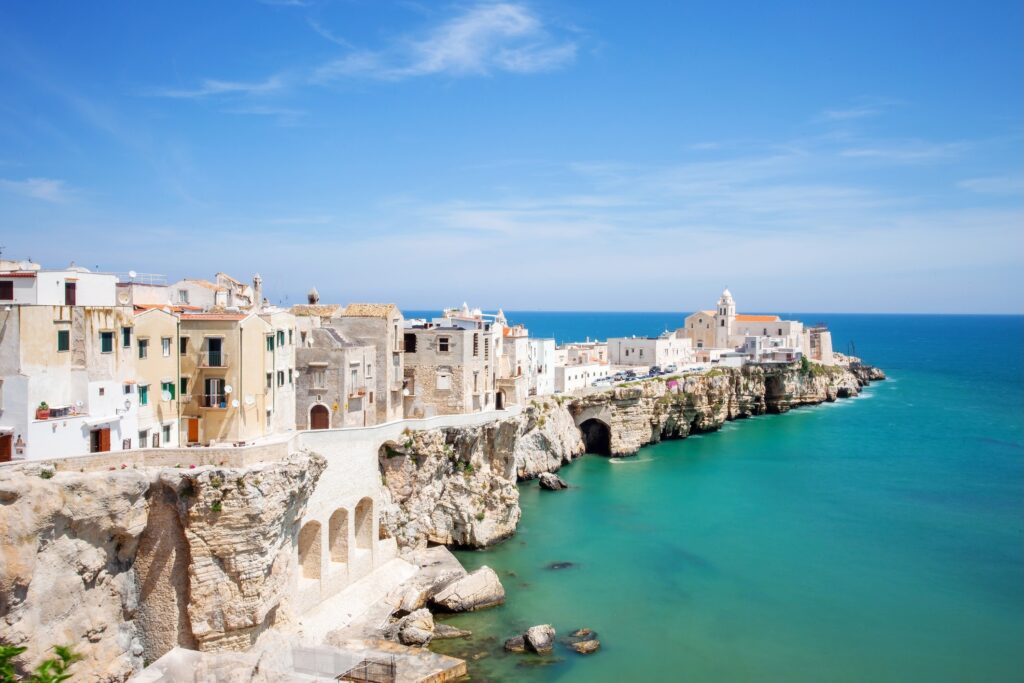
Perched on the dramatic Gargano PeninsulaVieste embodies the rugged charm of southern Italy. While much of Puglia’s tourism focuses on the Valle d’Itria or Salento, Vieste offers something different—wind-swept coastlines, whitewashed houses, and rich history.

  • Wander the narrow streets of the old town with its sea views and hidden staircases.
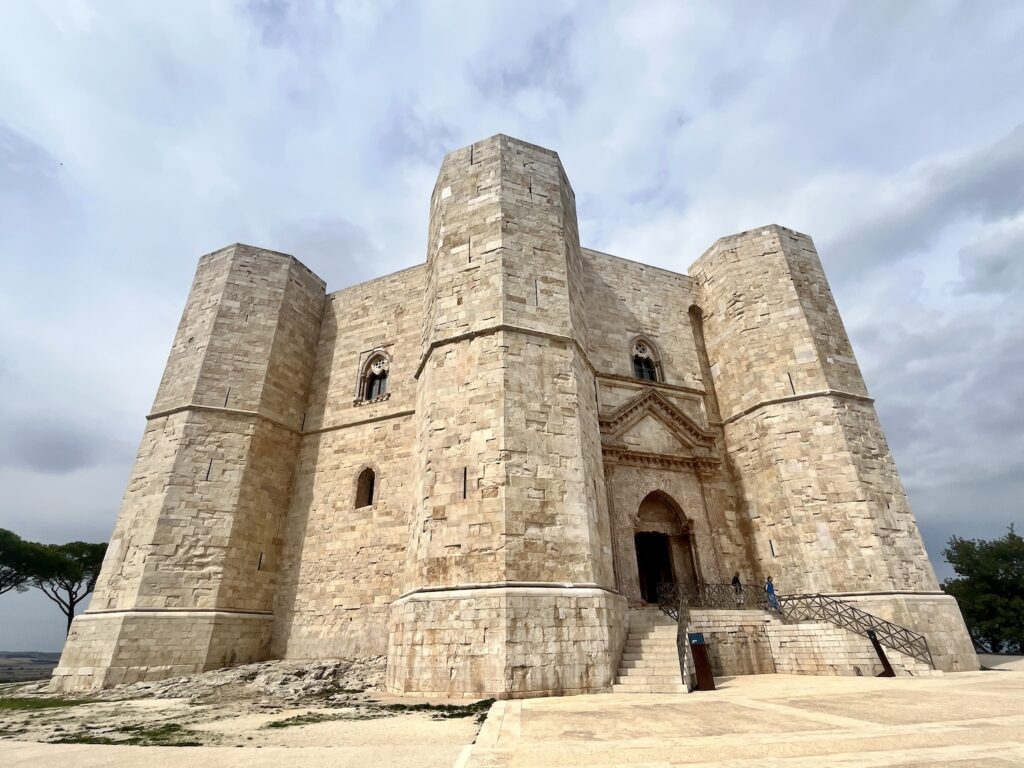
  • Discover Frederick II’s 13th-century castle, a reminder of Vieste’s storied past.
  • Relax on long sandy beaches or explore limestone sea caves by boat.

If you’re planning a Puglia tour, don’t miss Vieste for its unique blend of natural beauty and cultural heritage.

Charming fishing town of Vieste with panoramic sea views and rugged coastline

Italian Village of Vieste, Southern Italy

4. Glurns (Glorenza) (Trentino-Alto Adige)

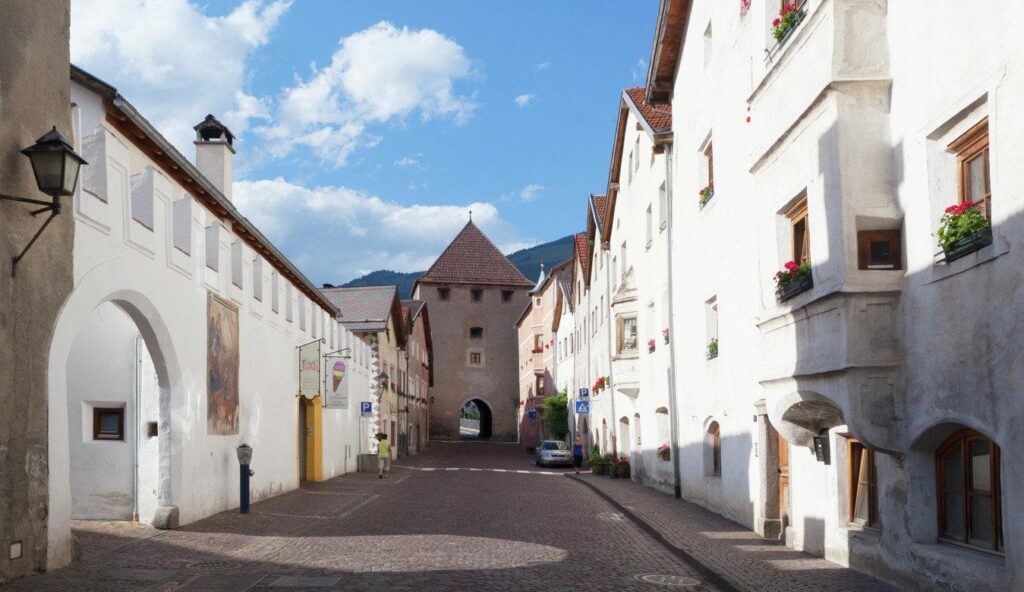
Tucked away near the Swiss border, Glurns is a perfectly preserved medieval town with intact walls, towers, and gates. Its small size belies its historical significance and refined charm.

  • Walk the entire perimeter of the town in under 30 minutes.
  • Explore artisan workshops and cobbled streets lined with arcaded houses.
  • Experience the cultural mix of South Tyrol in this storybook-like setting.

Glurns is an ideal stop on Dolomites tours, where history and nature intertwine beautifully.

Medieval street in Glurns, South Tyrol, with whitewashed houses and cobblestone paving

Medieval village of Glurns, South Tyrol

5. Faenza (Emilia-Romagna)

Known worldwide for its exquisite ceramics, Faenza offers a blend of culture, history, and down-to-earth sophistication.

  • Visit the International Museum of Ceramics, showcasing works from ancient Persia to Picasso.
  • Admire the elegant Piazza del Popolo and its graceful porticoes.
  • Discover local artisans and sample regional delicacies at traditional trattorias.

Faenza encapsulates the essence of Emilia-Romagna—a place where art, tradition, and hospitality come together seamlessly.


Why Discover Lesser-Known Italian Towns?

While famous cities have their allure, these smaller, often-overlooked towns offer a deeper, more personal connection to Italy’s rich tapestry. You’ll enjoy:

  • Authentic local culture without the crowds.
  • Unique architecture and centuries-old history.
  • Intimate encounters with food, wine, and artisan traditions.
  • A sense of discovery that makes travel truly unforgettable.


Join us on a small group tour of Italy

Our curated small group tours in Italy take you beyond the guidebooks to places like Puglia, the Dolomites, and the Veneto. Whether you’re after dramatic coastal views, alpine charm, or rolling vineyard landscapes, we have a tour that will reveal Italy’s hidden gems to you.

Explore our Tours


FAQs

Q: Are these towns included in your tours?

Some are featured in our itineraries, such as stops in the Veneto and Puglia regions. Others, like La Morra and Faenza, are places we love to recommend for independent travel.

Q: What’s the best way to visit these towns?

Joining a small group tour of Italy ensures you’ll have knowledgeable guides, seamless logistics, and access to local experiences. However, adventurous travellers can also explore independently by car or train.

Q: Are these towns accessible for senior travellers?

Yes! Our tours and suggested itineraries are designed with comfort and accessibility in mind, perfect for travellers 55+ who enjoy cultural exploration at a relaxed pace.

Each of these towns offers something special—whether it’s a grand view, a rich history, or a strong sense of local tradition. They may not be household names, but that’s part of their magic. In a country as layered and lived-in as Italy, the real treasures are often found just off the main road.

Read More

25 Feb The White Cities of Puglia: A Journey Through Italy’s Timeless Villages

Why Puglia’s White Cities Are So Special

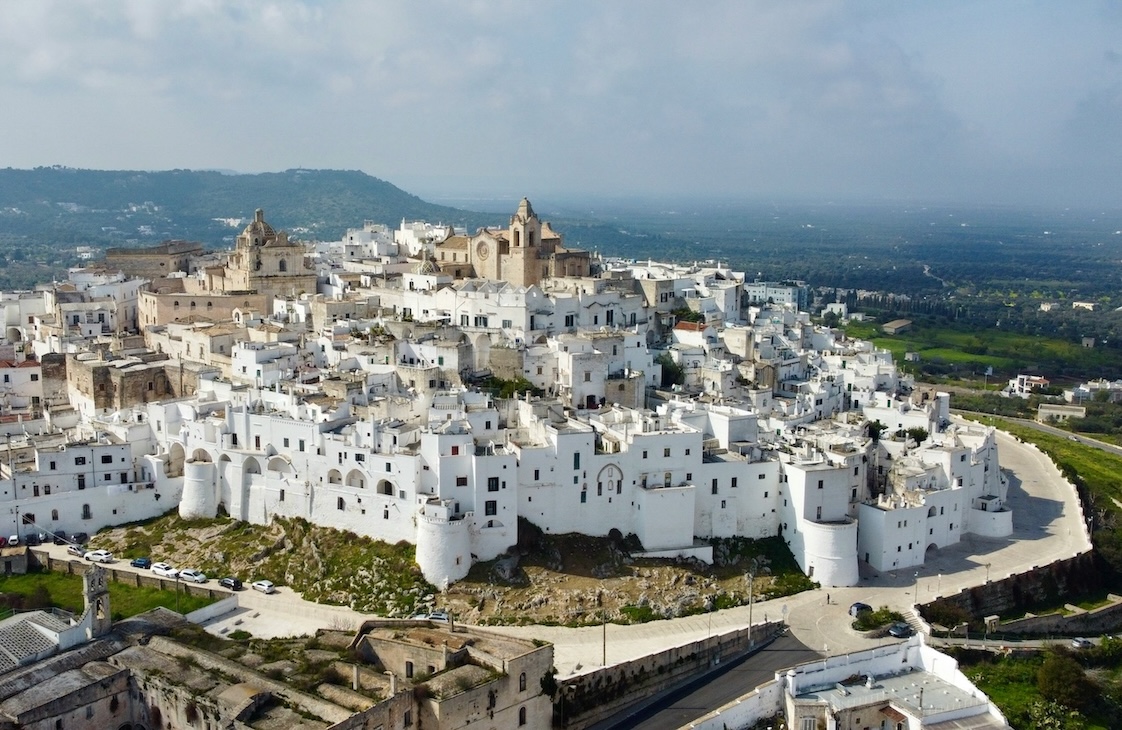
Puglia, the sun-drenched heel of Italy’s boot, is a region known for its rugged coastline, ancient olive groves, and charming historic towns. Among its many treasures are the “white cities” – villages where lime-washed buildings reflect the Mediterranean sun, creating a strikingly beautiful landscape.

These whitewashed towns, perched on hilltops or nestled in the countryside, offer a glimpse into Puglia’s rich history and way of life. Wandering through their narrow alleys, you’ll find sun-drenched piazzas, historic churches, and traditional trattorias where life unfolds at a leisurely pace.

If you’re planning a Puglia tour in 2025, exploring these towns should be at the top of your list. Here’s why they shine—literally and figuratively!

Why Are Puglia’s Towns White?

The tradition of whitewashing buildings in Puglia has several possible origins:
– A Natural Cooling System: The bright white color reflects sunlight, helping to keep homes cool in the hot summers.
– Protection Against Disease: In towns like Ostuni, legend says that lime’s antibacterial properties helped prevent the spread of diseases like the 17th-century plague.
– Moisture Control: Limewash allows the walls to breathe, preventing damage from humidity.
– An Affordable Tradition: Lime was readily available and inexpensive, making it an easy and practical choice.
Whatever the reason, this age-old practice has shaped some of the most picturesque towns in all of Italy. Let’s take a journey through the most beautiful white cities of Puglia.

Ostuni – The Iconic White City

If you’ve seen pictures of Puglia’s white cities, chances are Ostuni was the star. Known as La Città Bianca (The White City), Ostuni sits high on a hill with stunning views over the Adriatic Sea and vast olive groves below.

What to See & Do in Ostuni
– Wander the Old Town: Get lost in the maze of narrow, whitewashed streets, charming courtyards, and hidden staircases.
– Visit the Cathedral: The Gothic-Romanesque Ostuni Cathedral is a masterpiece with an eye-catching rose window.
– Shop for Local Crafts: Browse boutiques selling handmade ceramics, woven baskets, and local delicacies.
– Enjoy an Aperitivo: As the sun sets, sip on a local Primitivo wine or Aperol Spritz in a picturesque piazza.

Locorotondo – A Perfectly Round Jewel

As its name suggests (loco rotondo means “round place”), Locorotondo is a town built in a perfect circle. It’s one of the most tranquil and elegant white towns in Puglia, known for its quiet charm and panoramic views over the Valle d’Itria.

Why Visit Locorotondo?
– Admire the Trulli: The surrounding countryside is dotted with trulli, Puglia’s famous cone-roofed houses.
– Sip Local White Wine: Locorotondo produces some of Puglia’s best crisp white wines.
– Stroll the Historic Centre: Peaceful, pedestrian-friendly, and full of hidden alleyways begging to be explored.
For those on a small group tour of Puglia, Locorotondo is an essential stop for its authentic atmosphere and timeless beauty.

Cisternino – A Culinary Hotspot

Smaller and less touristy than Ostuni or Locorotondo, Cisternino is a food lover’s paradise. Here, you’ll find an authentic slice of Puglian life, where locals gather in lively piazzas and butcher shops double as restaurants!

What Makes Cisternino Special?
– Fornelli Pronti: Visit one of the traditional butcher shops where you can choose your meat, have it grilled on the spot, and enjoy it with local wine.
– Relaxed Atmosphere: This is one of Puglia’s best-kept secrets, where time seems to stand still.
– Charming Streets: Like other white towns, Cisternino is full of tiny alleys, whitewashed houses, and blooming balconies.
For those who want to experience Puglia’s food culture in the most authentic way, Cisternino is a must-visit.

Martina Franca – Baroque Beauty in a Whitewashed World

Unlike the other white towns, Martina Franca stands out for its Baroque palaces and grand churches nestled among its white facades.

What to See in Martina Franca
– Basilica di San Martino: One of the most impressive Baroque churches in Puglia.
– Elaborate Wooden Doors: Martina Franca is famous for its handcrafted wooden doors and intricate stone frames.
– Opera Festival: Every summer, the town hosts the Festival della Valle d’Itria, a prestigious opera festival that draws music lovers from all over Italy.

If you love history, architecture, and culture, Martina Franca is the perfect stop on your Puglia tour.

How to Experience the White Cities Like a Local

– Go in Spring or Autumn: Avoid the peak summer crowds and enjoy mild weather and a relaxed pace.
– Take Your Time: These towns are made for aimless wandering, leisurely meals, and quiet discoveries.
– Enjoy the Food: Try handmade orecchiette pasta, fresh seafood, and Puglia’s incredible cheeses and wines.
– Drive or join a small group tour: Public transport in the Valle d’Itria can be unreliable. A small group tour lets you experience Puglia hassle-free, with expert guides bringing the region’s history to life.

Join our Small Group Puglia Tour this year.

If you’ve ever dreamed of experiencing Puglia’s white cities, now is the perfect time to plan your trip. We are offering four small group tours to Puglia from Australia – with departures in April, May, September and October.
Travel with a small group of like-minded explorers, enjoy exclusive local experiences, and immerse yourself in the charm of Italy’s most beautiful whitewashed villages.

Find out more. 


Read More
Puglia summer coastal view

12 Oct Best Time to Visit Puglia: A Seasonal Guide for Australian Travellers

Puglia by Season: What to Expect Throughout the Year

If you’re planning a trip to southern Italy and wondering about the best time to visit Puglia, the answer depends on the kind of experience you’re hoping for. This sun-washed region can be visited year-round, but for many Australian travellers, the most comfortable and rewarding months are April, May, September and October. During these shoulder seasons, the weather is warm without being oppressive, the countryside is at its most vibrant, and towns and coastal villages feel lively without being crowded.

For travellers considering a small group tour of Puglia in spring or autumn, these months offer the most comfortable conditions for exploring towns, countryside and coastline.

Puglia in Spring: April and May

Spring is widely considered one of the best times to visit Puglia. In April, the countryside is fresh and green after winter rains, with wildflowers scattered through olive groves and along country roads. Daytime temperatures typically range between 15°C and 20°C, warming towards the end of the month. It’s an ideal time for walking through historic towns such as Lecce and Ostuni, exploring rural masserie, and enjoying long lunches outdoors without the intensity of summer heat.

May builds gently on this. Temperatures generally sit between 18°C and 24°C, the days are longer, and the region feels open and relaxed before the high season begins. Markets are at their best, with artichokes, broad beans, cherries and early summer produce appearing on menus. For travellers who want comfortable sightseeing weather and a lively but unhurried atmosphere, May is particularly rewarding.

Puglia in Summer: Late June to August

Summer in Puglia brings clear skies, warm seas and a vibrant coastal energy. From late June through July and August, temperatures frequently exceed 30°C, and in inland areas they can climb higher. This is the peak holiday season for Italians, especially in August, when beaches and seaside towns are at their busiest.

If your focus is swimming, relaxing by the sea, and enjoying long evenings outdoors, summer can be appealing. However, for visitors who plan to spend full days exploring towns, archaeological sites or countryside villages, the heat can feel demanding. Sightseeing is often best done early in the morning or later in the afternoon.

Puglia in Autumn: September and October

For many travellers, September is one of the most balanced months to visit Puglia. Daytime temperatures generally range from 20°C to 27°C, the sea remains warm from the summer months, and the intense August crowds have eased. Vineyards and olive groves are active with harvest preparations, giving the countryside a sense of quiet industry.

October brings slightly cooler conditions, typically between 17°C and 23°C, and a softer light across the landscape. The pace slows, restaurants and towns feel more local again, and walking through historic centres becomes comfortable and unhurried. For those interested in food, wine and a deeper cultural experience, early autumn is often an excellent choice.
Puglia in the autumn

Puglia in Winter: November – March

Winter in Puglia is quiet and local. From November through March, visitor numbers drop significantly, particularly in coastal towns. Daytime temperatures generally range between 5°C and 15°C, and while snow is rare, the weather can feel damp and variable.

This period is not suited to beach holidays, and some seaside restaurants, hotels and seasonal attractions close for the winter. However, historic centres such as Lecce, Bari and Martina Franca remain active year-round. For travellers interested in architecture, local cuisine and a slower rhythm of life, winter can offer a more intimate glimpse of everyday Pugliese life, often at lower accommodation rates.

For most first-time visitors travelling from Australia, however, spring and early autumn tend to provide a more comfortable balance of weather and activity.

Why April, May, September and October Stand Out

While every season has its appeal, April, May, September and October consistently offer the most balanced conditions for exploring Puglia. Temperatures are warm but manageable, towns feel lively without being overwhelmed, and the countryside is either fresh with spring growth or glowing in early autumn light.

These months are particularly well suited to travellers who want to walk through historic centres, visit olive groves and vineyards, enjoy long lunches outdoors and experience local food traditions without the intensity of peak summer heat. The pace is relaxed, but the region is fully open and welcoming.

These are also the months we choose for our 2026 Puglia tour, allowing guests to explore at a relaxed pace without the intensity of peak summer heat.

Visiting Puglia on a Small Group Tour

If you’re considering visiting Puglia as part of an organised journey, timing becomes even more important. We run our small group tour of Puglia during the most comfortable months of spring and autumn, when the weather allows for unhurried sightseeing and the region is at its most enjoyable.

Our carefully designed itinerary balances cultural visits, regional food experiences and time to explore independently, all at a pace suited to mature travellers coming from Australia.

You can read the full itinerary and departure details for our 2026 Puglia tour here.

Frequently Asked Questions About the Best Time to Visit Puglia

Is April a good time to visit Puglia?
Yes, April is one of the most pleasant months to visit Puglia. The countryside is green after winter, wildflowers are in bloom, and daytime temperatures usually range between 15°C and 20°C. It’s comfortable for walking through historic towns and exploring rural areas without the heat of summer.

Is Puglia too hot in summer?
July and August can be very hot, particularly inland, with temperatures often exceeding 30°C and occasionally reaching the mid-30s. Coastal areas benefit from sea breezes, but sightseeing in the middle of the day can feel demanding. Summer suits travellers focused on beach time and swimming rather than extended walking.

When is the sea warm enough to swim in Puglia?
The sea begins to warm up from late May and is generally very pleasant from June through September, often remaining comfortable into early October. Travellers from Australia, who are accustomed to cooler ocean temperatures, often find swimming quite manageable in May, and some are happy to take a dip even in April on a warm day. By September, the water has retained the summer heat and is typically at its most inviting.

Is October too late to visit Puglia?
Not at all. October remains mild, with temperatures generally between 17°C and 23°C. The crowds are thinner, the light is softer, and it’s an excellent month for food-focused travel, particularly during the olive harvest season.

What is the best time to visit Puglia for an escorted tour?
For most travellers coming from Australia, April, May, September and October offer the best balance of comfortable weather, open attractions and a relaxed atmosphere. These months allow for unhurried exploration of historic towns, countryside landscapes and regional food traditions.

Read More

11 Oct Discovering Lecce

Whether you’re on one of our small group tours to Puglia or setting off on your own adventure, Lecce should be at the top of your must-visit list for this southern region.

Known as the “Florence of the South,” Lecce is an enchanting destination that beckons travellers seeking a taste of Italy’s rich history and unparalleled architecture. Nestled in the heart of Puglia, this captivating city is a hidden gem. 

The city’s history dates back to ancient times, with its roots in the Messapian civilisation. Over the centuries, it has been influenced by various cultures, which have left an indelible mark on the city’s architecture and cultural heritage.

Key Places to Visit

Lecce is renowned for its stunning Baroque architecture. The cityscape is adorned with intricate details and ornate facades. The distinctive Baroque style is characterised by the use of local golden sandstone, known as pietra leccese, which gives the buildings a warm, honey-coloured glow. As you stroll through the city’s winding streets, you’ll encounter these masterpieces at every turn.

The city centres on Piazza Sant’Oronzo, named after Saint Oronzo, the city’s patron saint. Piazza Sant’Oronzo is known for its Roman ruins, including a well-preserved Roman amphitheatre. The square also features a column with a statue of Saint Oronzo at the top and an elegant loggia that was an early town hall. 

The remarkably well-preserved Roman Amphitheatre is a testament to the city’s ancient history. Its construction dates back to the second century AD and the time of Emperor Hadrian’s rule. It was only discovered by accident in 1901 when workers were digging foundations for a new building.

Another iconic square, the city’s religious heart, is the Piazza del Duomo featuring the Duomo di Lecce. The cathedral itself is a stunning example of Lecce Baroque architecture with an elaborate façade adorned with sculptures and ornate decorations.

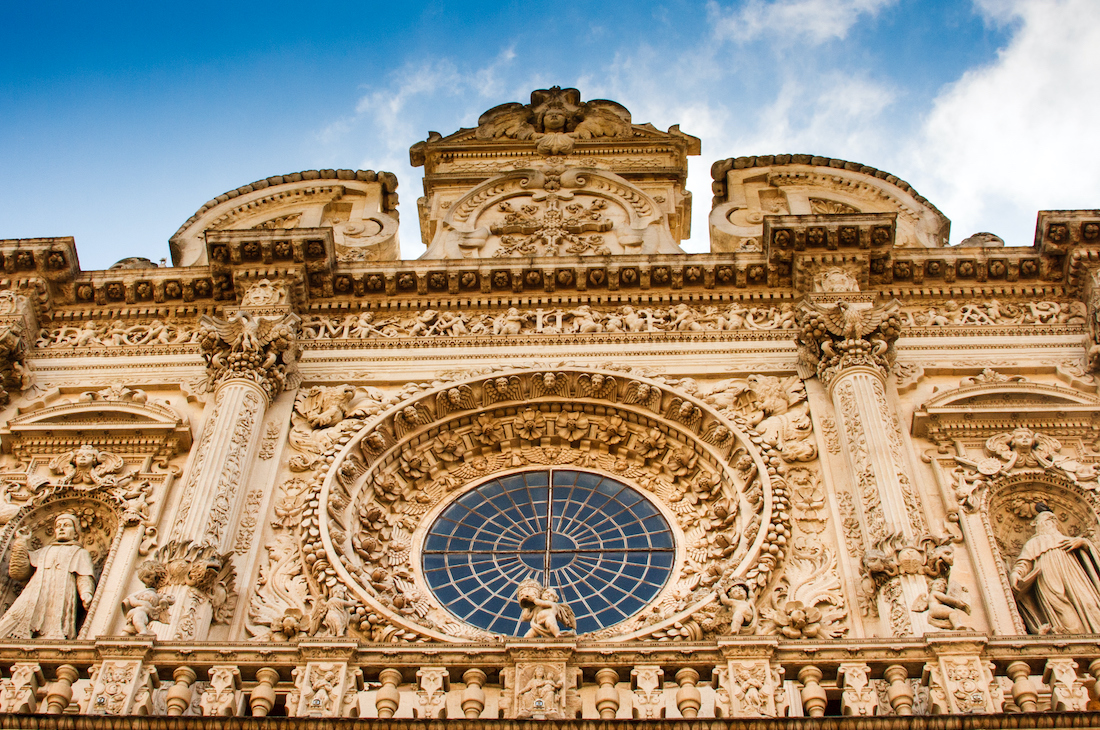
The Basilica di Santa Croce is perhaps the masterpiece of Lecce Baroque. The church is adorned with a façade featuring a rich abundance of statues, cherubs, and baroque designs.

Another prime example of Lecce’s architectural splendour is the Palazzo Celestine, a former monastery that now houses the City Hall. In 1807 during the Napoleonic occupation, the Celestine fathers were evicted, and the convent was put to other uses.

Not much remains of Lecce’s fortified walls, but the Porta Napoli still stands.  Completed in 1548 after a commission by Charles V to fortify the city, Porta Napoli is one of three entrances built into Lecce’s city walls. The entrance gate is a reminder of Lecce’s defensive past and offers an excellent photo opportunity.

Culinary Delights of Lecce and Salento

No trip to Lecce would be complete without savouring the region’s exquisite cuisine. Lecce and the surrounding Salento area have a distinct culinary identity, with several dishes that are unique to the region. 

Rustico Leccese

A popular snack or street food, Rustico Leccese is a savory pastry filled with tomato, mozzarella, and bechamel sauce. It’s often enjoyed as a quick, delicious bite.

Pasticciotto
This is a famous dessert from Lecce and Salento. Pasticciotto is a sweet pastry filled with creamy custard in various flavours, including classic vanilla and fruit variations.

Leccese Tarallini
These are small, crunchy, ring-shaped biscuits that make for an excellent snack or appetizer. They can be found in popular flavours, such as fennel or black pepper.

Melanzane Ripiene
Stuffed eggplants are a common dish in Lecce. The eggplants are typically hollowed out and filled with a mixture of breadcrumbs, cheese, herbs, and sometimes meat. They are then baked until golden and delicious.

Orecchiette con Cime di Rapa
While orecchiette pasta is not unique to Lecce, the way it’s prepared with cime di rapa (broccoli rabe or rapini) is a local speciality. The combination of the pasta’s shape and the slightly bitter greens creates a flavourful and beloved dish in the region.

Be sure to explore the local restaurants and trattorias to savour these delicious specialities during your visit to Lecce.

Exploring the Salento Area

Lecce’s strategic location makes it an ideal base for exploring the picturesque Salento region of Puglia. Nearby towns like Otranto and Galatina are easily accessible and offer unique cultural experiences, from historic churches to charming coastal landscapes.

Otranto
This coastal gem boasts a beautiful beach, a captivating historic centre, and the stunning Otranto Cathedral with its exquisite mosaic floor.

Galatina
Known for its impressive Basilica of Saint Catherine of Alexandria, Galatina offers a glimpse into Puglia’s religious heritage. Here, you can also visit the Pasticceria Ascalone, where Pasticiotto itself was invented in 1745.

Lands’ End
A short drive from Lecce will take you to Santa Maria di Leuca, where the Adriatic and Ionian Seas meet, marking the southernmost point in Puglia. The views here are nothing short of breathtaking.


You can stay in Lecce on our 14-day Road Less Travelled Tour of Puglia.

Read More

14 Aug A POSTCARD FROM OTRANTO, PUGLIA

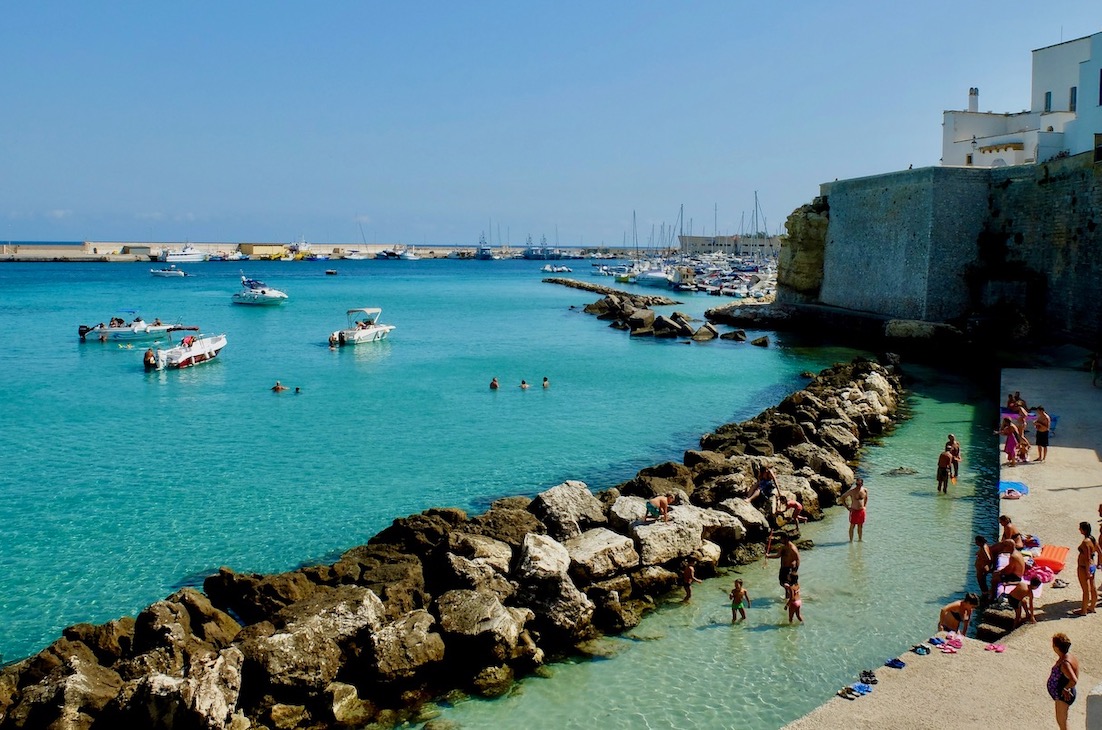
The walled port city of Otranto in Puglia is Italy’s most eastern town. On a clear day, if you gaze out from the city’s walls across the Adriatic, you can make out the coast of Albania and the mountain ranges of Mount Çika. Just as mesmerising is the view from Otranto’s walls of the crystal clear turquoise waters. The town’s outlook, its history, and charming nature make it well worth visiting. 

Founded by the Messapians, the town has a history of occupation that includes the Greeks, the Romans and the Normans. One of its most colourful periods was in the 11th century when it became a leading Crusader port. 

It is also remembered for a more macabre chapter when, in 1480, the Ottomans invaded and looted the citadel. Legend has it that they sacked the city, killing twelve thousand people, and then went on to massacre the eight hundred survivors who had sought refuge in the cathedral and refused to renounce their Christianity. Historians disagree on the story’s veracity, but it was good enough for the church. Pope Clementine XIV beatified the eight hundred martyrs in 1771, and they were canonised by Pope Francis in 2013. 

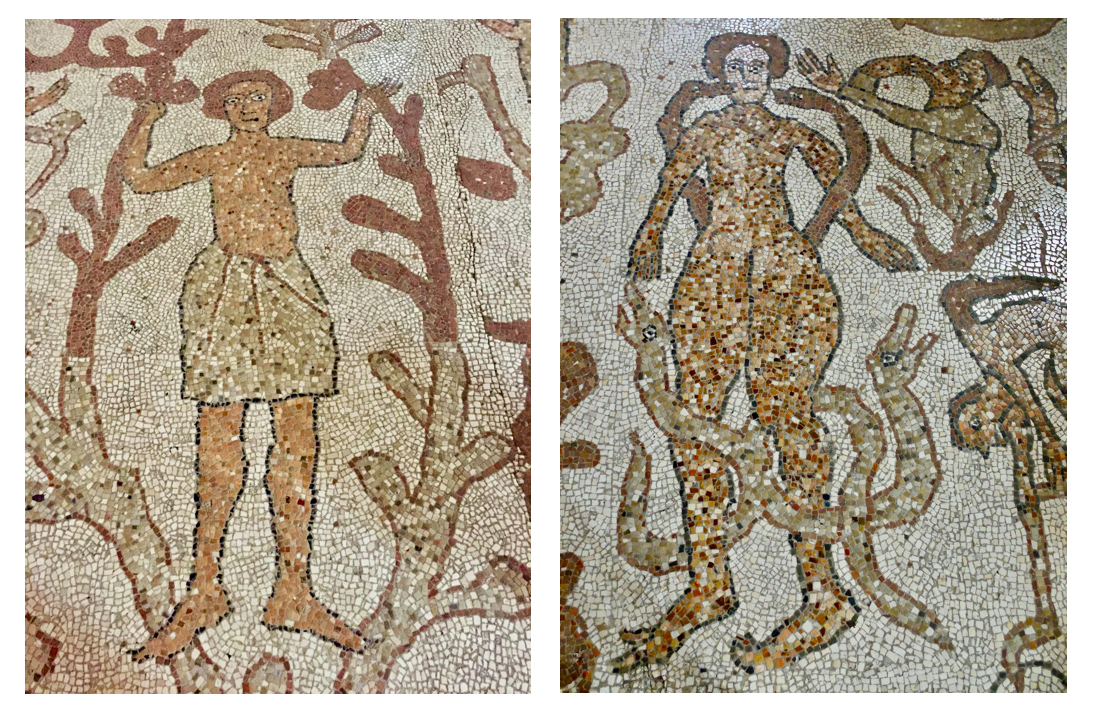
The most fascinating aspect of the city is the cathedral, whose architecture reflects the 11th-century Norman influence as opposed to the Baroque architecture prevalent elsewhere in Puglia. The highlight is the medieval mosaic floor, one of Italy’s most mysterious and impressive mosaics.

A priest, Pantaleone, carried out the work in 1165, employing a ‘primitive’ style that art critics compare with the Bayeux Tapestry. Scholars continue to debate the significance and inspiration of its allegorical images, which include Adam and Eve, King Solomon, Alexander the Great and King Arthur. 

The mosaic’s centrepiece represents three giant Trees of Life, a common motif in early Christian and Islamic art. Amongst the branches of the trees, you will see scriptural scenes, animals, symbols of the months and other fantastical images. It truly is quite remarkable!

The church also contains the macabre Chapel of the Martyrs, where eight hundred skulls are preserved and mounted on the walls. 

Don’t miss Otranto on your journeys around the Salento region of Puglia! If you want to come with us, we will visit it on our Puglia – A Road Less Travelled Tour in May and September 2024. 


Read More

09 Jan MATERA – A CITY FROM ANOTHER TIME

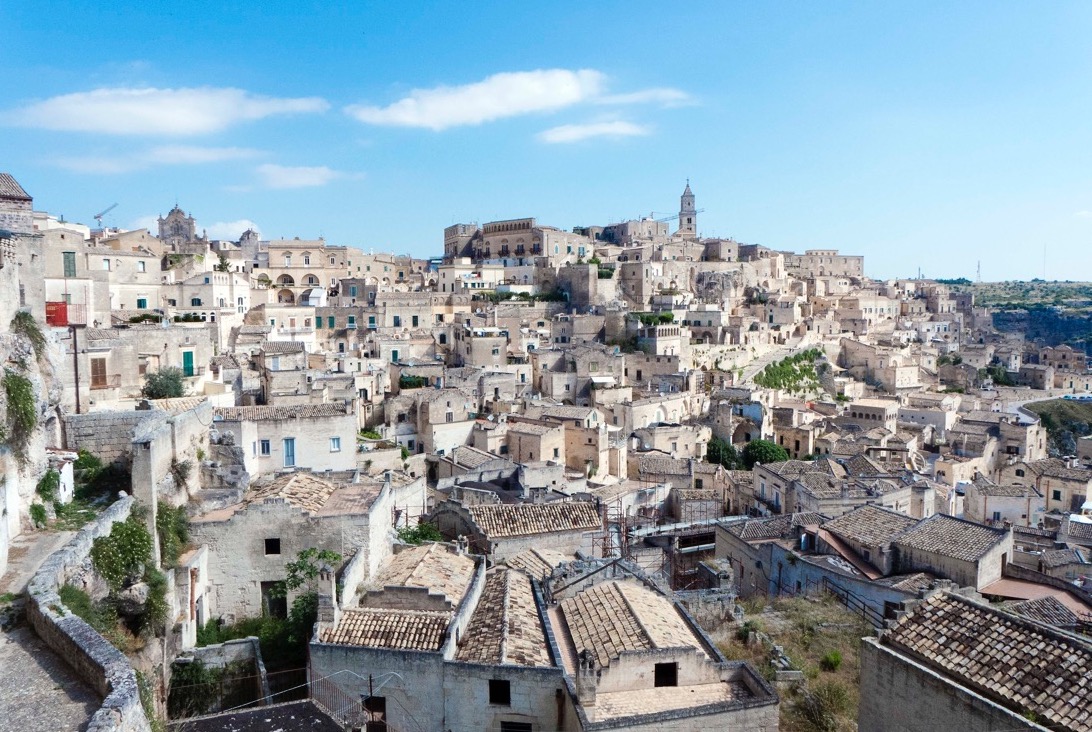
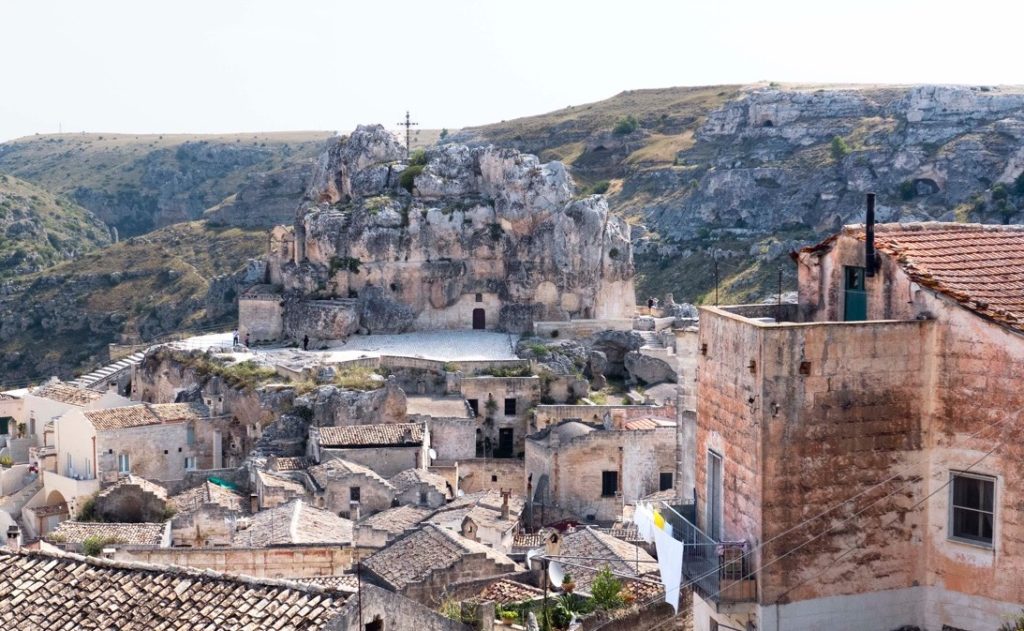
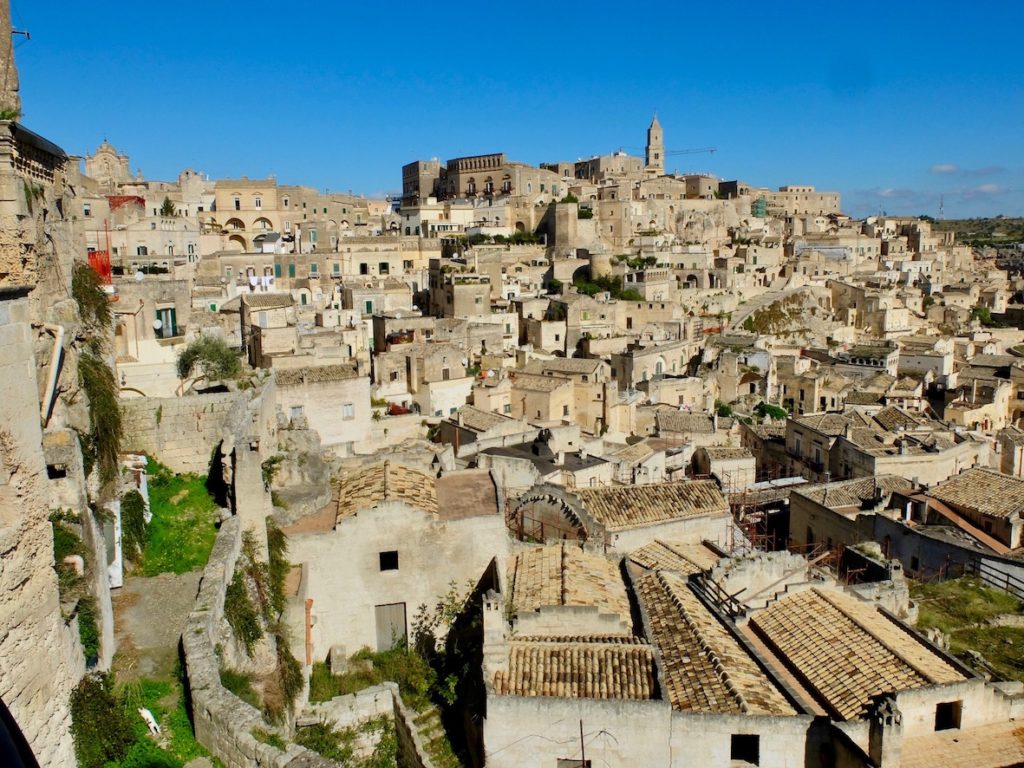
As you look out over the sassi districts in the city of Matera, you could be forgiven for thinking you had been transported back in time to a city out of the bible. The view of stone dwellings, reaching far back into ancient caves, with narrow donkey paths winding in between them, is quite unforgettable. Indeed film director Mel Gibson used this city as the setting for his movie The Passion of the Christ.

Matera, in Basilicata just to the west of Puglia, is probably the oldest continuously inhabited city in the whole of Europe. Matera is built on top of a cliff on the edge of a gorge, about 250 metres deep, with a river running through it. There is a stratum of stone that is soft and white, like a cross between sandstone and limestone, and since prehistoric times people have burrowed out shelters into the sides of the gorge. Over time they became more sophisticated than simple holes in the rock, though some of those still remain and were used as animal shelters by shepherds or as wine cellars. People began building small structures at the front incorporating the door, the window and the kitchen with its chimney and would then excavate the other rooms into the rock behind. Others would build into the rock above them, so the whole place became like an anthill, with people living one on top of another in chambers carved out of the rock with little frontages to allow for kitchens and chimneys, a bit of light. There might only be a metre and a half of rock between the ceiling of one dwelling and the floor of the one above it.

The Sassi of Matera

Later Matera became the capital of Basilicata and work began to gentrify the city on the top of the ravine. There was no burrowing there, as the rock was too hard, but the erection of high quality standard buildings instead. An upper class moved in to administer the area and provide services, so the two sassi areas became places where the poor lived. It became a shameful thing to live in the sassi, and the upper city was built to deliberately hide any view of these poor areas from the centre of town. Later however, Matera lost its position as regional capital and the wealthier people moved on. Without the investment of the elite, living conditions in the sassi became appalling with no running water, no sewerage and no roads. The area became a hotbed of disease – malaria, cholera, typhoid, tuberculosis. It wasn’t until a novelist wrote a book about the area that the Italian government sat up and took notice. In the 1950s they began a slum clearance program to move the 17,000 residents out of the area and it was abandoned.

In the late 1980s the area began to be revalued and became a World Heritage site. People started restoring dwellings and moving back in while today the government will lease dwellings to those who are prepared to pay for restoration. There are lots of hotels and B&Bs springing up and tourism is beginning to really bite. In 2019 Matera is the European Cultural Capital which will also have a huge effect on visitor numbers.

Matera is definitely a place to see right now, before the rest of the world arrives. Our Puglia, the Road Less Travelled tour for May 2019 is already sold out but we do have places available on the September 2019 tour which includes a wonderful day exploring the town of Matera.

Read More
Small group Italian tour

06 Jan FIVE REASONS TO VISIT PUGLIA

  1. Avoid the crowds and enjoy the slow life

Although Puglia is starting to attract crowds, particularly to big name destinations like Lecce and Alberobello, it’s still relatively easy to avoid the type of crowds that plague cities like Rome and Florence. Locals still live the traditional slow life: shops close at lunchtime, people go home for lunch, there’s time for a siesta – all a fabulous excuse for you to relax and absorb the slower-paced atmosphere.

  1. The history

Puglia’s position in the heel of the Italian boot, close to modern-day Albania and Greece, has contributed to a rich cultural legacy.  Over hundreds of years diverse groups of people settled on land traditionally inhabited by the local Messapian tribes: Spartans, Greeks and Romans in ancient times, followed during the middle ages by a series of Bourbons, Angevins, Normans and Saracens.  Their influence is evident in the unique culture of the Puglian people today and in the artifacts on show in the museums of Lecce and the MARTA in Taranto.

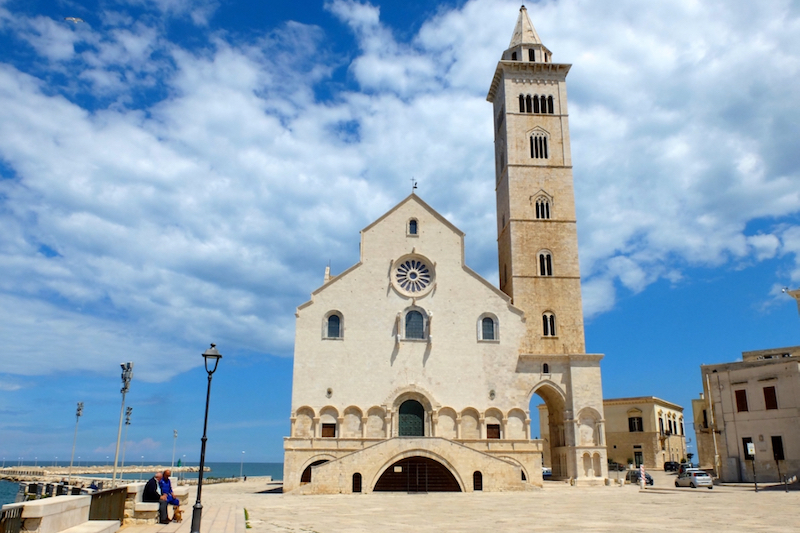
The pretty town of Trani in Puglia
  1. Delicious food and wine

Pugliese gastronomy – some of the best food you’ll find anywhere in Italy! The region is traditionally agricultural and the land continues to provide outstanding fresh, high quality produce. Puglia is particularly famous for olives and olive oil, cherries, eggless pasta, burrata and other cheeses, almonds, tomatoes, lemons, wheat bread and of course the fresh seafood. The local cuisine reflects this bounty. Until about ten years ago Puglia exported the bulk of its grapes and wine; however these days Puglia is focusing on boutique wines and producing exceptional varieties like Primitivo, Negroamaro, Bombino Bianco and Susumaniello.

  1. Towns like nowhere else

Apart from the big name towns that have plenty of publicity, Puglia has a host of small lesser known towns that can absorb the interested traveler for hours on end. We can recommend charming small towns like Martina Franca and Locorotondo in the Valle d’Itria or Vieste and Trani along the coast. The Pugliese are extremely proud of their towns and maintain their flower boxes and streetscapes  in picture perfect condition.

Blue waters of the Gargano Peninsula in Puglia
  1. A stunning blue coastline

Puglia is surrounded on three sides by the Ionian, the Taranto and the Adriatic Seas. The coastal landscapes differ but are invariably stunning: limestone cliffs and stacks and pebble beaches along the Gargano Peninsula, white sandy beaches on the western coast, the spectacular rocky coastline in the east and everywhere a startling blue sea.

Maybe 2018 is the year you should get to know this wonderful corner of southern Italy!

We run regular tours to Puglia each year.
Contact us today to book your place!

Read More
Puglia small group tour

08 Jul UNDISCOVERED TREASURES OF PUGLIA – MAY 2017

What a wonderful and still undiscovered area Puglia is, and our May tour this year began in the most beautiful of Pugliese towns, Lecce. We spent our first, perfect day walking with our local guide Simona, a passionate Leccese who has the ability to bring to life the stories and characters of the city she loves so much.

One of the unusual stops we made was at a workshop where they construct and restore carta pesta, the Leccese version of papier-mâché. This construction method has always been used to make religious statues. It’s popular not only because there is no marble in the area but also because they are extremely light and can be carried through the streets for processions or mounted in churches without causing structural damage. Some are up to 400 years old and need constant care and restoration. Others are made new, including smaller models for personal use in people’s homes.

We could really visualise the layers of civilisation in the city when we visited a museum that began as a plumbing exercise. Attempting to fix leaky pipes, the building owners began to dig underground only to discover an archeological treasure trove just centimetres beneath their feet. While the actual artefacts have been surrendered to the authorities who oversee national treasures, the building is open for exploration and we were able to wander though the different layers of Leccese civilisation from the Messapians to the Greeks, Romans and beyond.

Our visit to Otranto, a town south of Lecce, introduced us to a small but famous walled seaport from which crusading knights departed for the Holy Land. We strolled the walls, admiring the blue bay and enjoying weather so clear that we could see as far as Albania on the other side of the Adriatic.

We were also lucky enough to see the Tree of Life, one of the largest early medieval mosaics in Europe that is still in place in the cathedral. It covers the entire floor of the cathedral and depicts the connections of all forms of creation, with creatures as the base and God at the apex and the immaculate state of humanity free from corruption and sin. Figures to the side illustrate ways of behaviour that will help a good person avoid falling into this sinful state, a lesson for us all!

We also stopped into Galatina, a small farming town to see an exquisite complete Renaissance fresco cycle depicting the life of St Catherine of Alexandria, not only beautiful but also unusual in that Renaissance art is rarely seen in this part of Italy. From the religious to the culinary, we called in to a pasticceria to sample pasticciotto, a uniquely local concoction of short pastry filled with custard that in Galatina is still produced by the seventh generation of the pastry cooks who invented it.

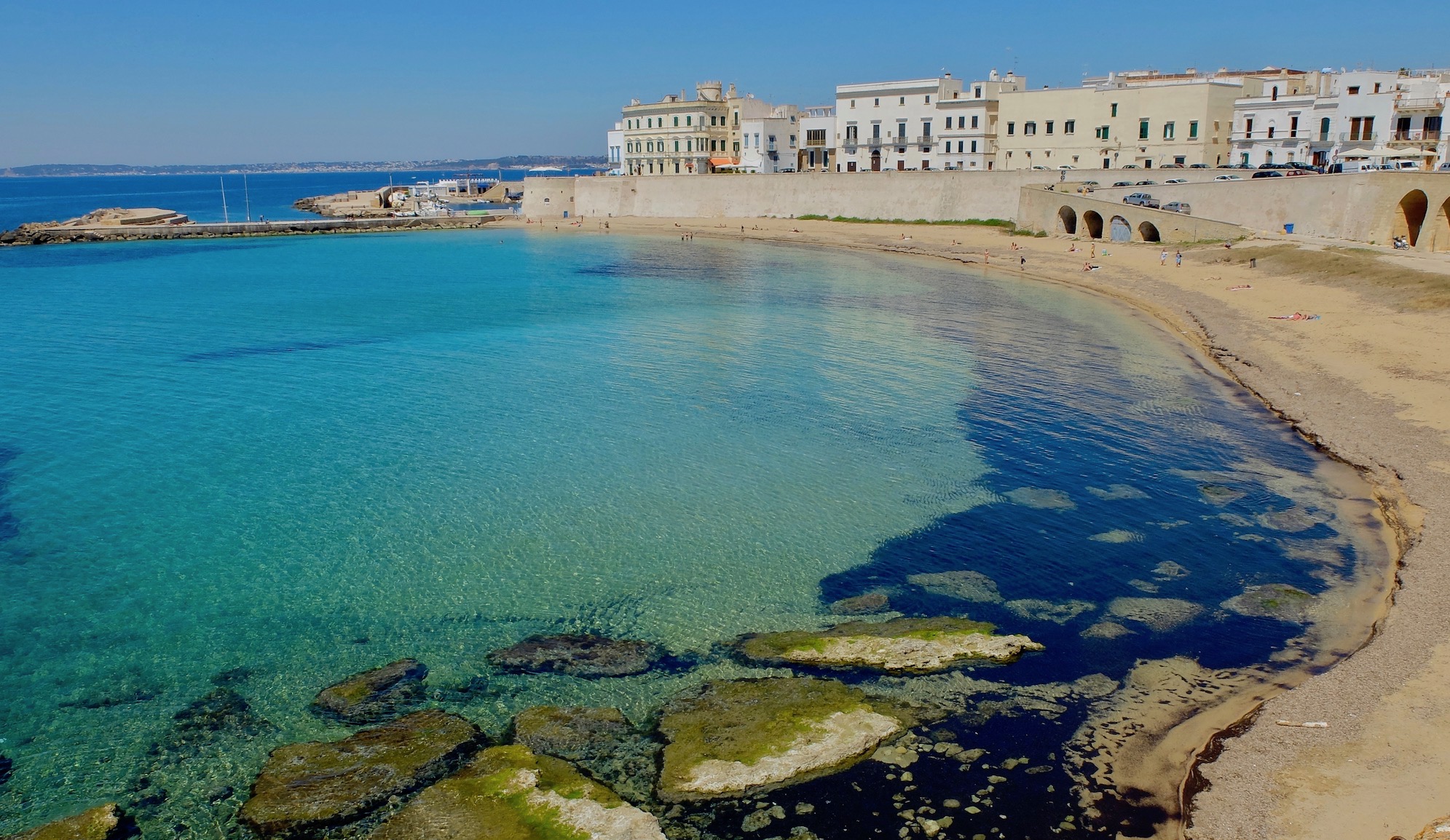
Finally we moved on to Gallipoli on the other side of the peninsula overlooking the Ionian Sea. This fishing port is a popular holiday destination for Italians seeking its lovely sandy beaches; two of our intrepid travellers took to the water for a quick dip. Seated along the sea wall, we dined on fresh local seafood before our return to Lecce.

Puglia food tour

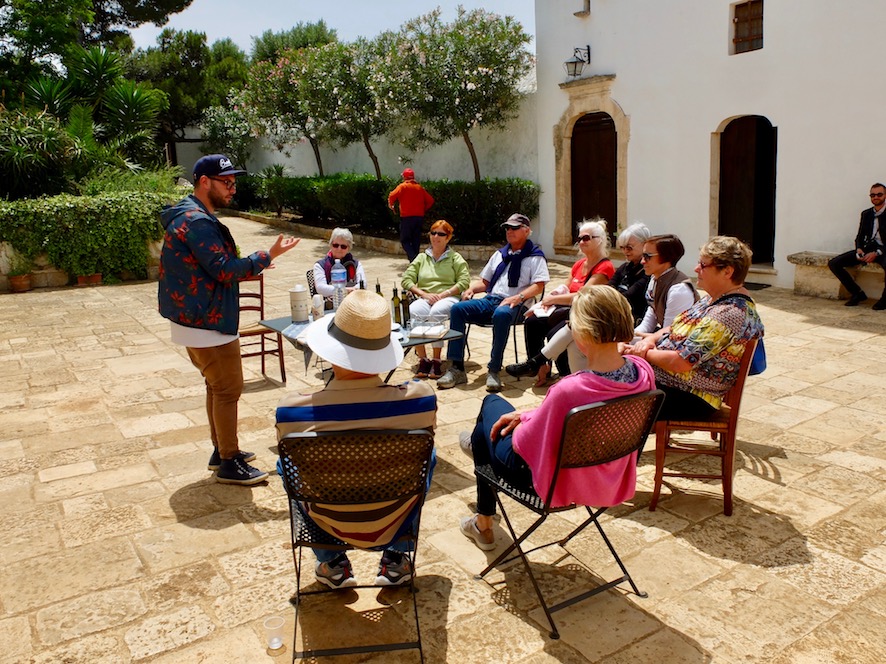
After inspecting the olive trees and presses we had to taste the oil!

Leaving Lecce on our way into the Valle d’Itria we stopped at a masseria, one of the traditional fortified farmhouses that have now been restored and are used for wine production. Our charming hostess Alessia took us on a tour to learn about Puglian wines. We wandered through the vineyards,  where a crew of local women from the village were pruning the vines, and learned about the masseria’s vine growing technique. The alberello technique dates back to Roman times and allows the vines to grow as small trees rather than on a trellis.

Alessia organised one of the local village ladies to come in to cook us a typical meal, simple but absolutely wonderful: we feasted on fresh fennel, homemade local ricotta, orecchiette with a light vegetable sauce and a delicious tart, all washed down with lashings of the masseria’s wine.

For the next four nights we stayed in a country retreat near Martina Franca, a beautifully restored farmhouse. The breakfast room is built within three trulli, the typical round white buildings with their conical slate roofs for which this area is famous. Alberobello is the centre of the trulli region and our visit there provided guests with some great photo opportunities. We were also fascinated to explore an abandoned trullo that our driver knew of and see how these now mostly restored buildings would have functioned in their original state.

We also visited an ancient olive grove, with one of the most ancient olive trees in Puglia that is  believed to be somewhere between 2500 and 3000 years old and still bearing fruit. The owners took us through their underground olive presses where we could see a pre-Roman, a Roman and a medieval olive press that are still intact. We did of course try the oil from the ancient trees which was very good.

On one of our days here we drove down towards Taranto to visit the MARTA, an exceptional archeological museum housing an enormous collection of artefacts from the area. The collection goes as far back as the Bronze Age, and includes items from the area when it was occupied as a Spartan colony and later roman artefacts. There are fabulous grave goods including intricate gold jewellery of inestimable value, decorated Greek pottery, fine Roman glassware and an actual tomb of one of the athletes from the Olympic Games and his winnings: four huge urns of olive oil!

Matera small group tour

Looking down on the ravines in Matera

We headed towards our next base at Trani via Bari, where we stopped to explore the rabbit warren of the medieval centre with our local guide and to visit the Basilica of St Nicholas, where we mingled with the pilgrims who come from all over the world to visit his tomb. Although this is a Catholic Church, St Nicholas is revered by Greek, Russian and Romanian Orthodox Christians, who are encouraged to pray over his relics at least once during their lifetimes. Interestingly, to facilitate this the Catholic Pope had just sponsored the loan of one of his bones to the patriarch of the Russian Orthodox Church in Moscow.

Back on the coast in Trani and we stayed in a lovely hotel overlooking the fishing port; from the terrace we sipped aperitivi and watched the sun go down. What bliss!

The unquestionable highlight of this part of the trip was our visit to Matera, where for centuries people built their dwellings into the rock faces of the ravines. In fact, this city is the third oldest continually occupied urban space in the world. It was originally settled by pre-historic local tribes and remained inhabited until the 1950s, when a slum clearance program removed the inhabitants. Our guide Antonio grew up with grandparents who lived in one of these fascinating dwellings and shared his memories of life during that time. Today the Matera is undergoing a resurgence and the dwellings are now filled with boutique hotels, bars and shops, as well as some local residents who are returning to live there.

Our final base was on the Gargano peninsula in gorgeous accommodation overlooking the Bay of Mattinata, so called because it is bathed in morning sunlight. This is area of spectacular natural beauty, with limestone cliffs rising up from water so clear that you can see right to the bottom.

The land rises steeply from the coast to a cooler, greener agricultural landscape, with beautiful forests and cream Podolica cattle, wearing collars and bells around their necks. The pilgrim site of St Michael is located here in an underground cave that is entered through a church above. We descended the steep steps to the grotto beneath, sharing the moment with dozens of visiting pilgrims. Driving back down to the coast again, we finished the day at an old fishing outpost called a trabucco where we had dinner by the waterside as the sun set.

On the last day of the tour, we took a private boat trip along the coast looking at the limestone cliffs, chatting with local fishermen, exploring caves, and arriving finally at a pebbly beach where we had a private picnic lunch overlooking the symbols of Puglia, white limestone outcrops that form islands in the blue bay, the ‘faraglioni.’ We could not have asked for a more perfect way to end our tour.

Our September 2017 trip to Puglia is booked out, but we will be running the tour again in May 2018, so start planning your next holiday in Italy now!

14 – 28 May 2018 – click here for the full itinerary!

Read More