For most of 2026, we’re going to be living in Italy.
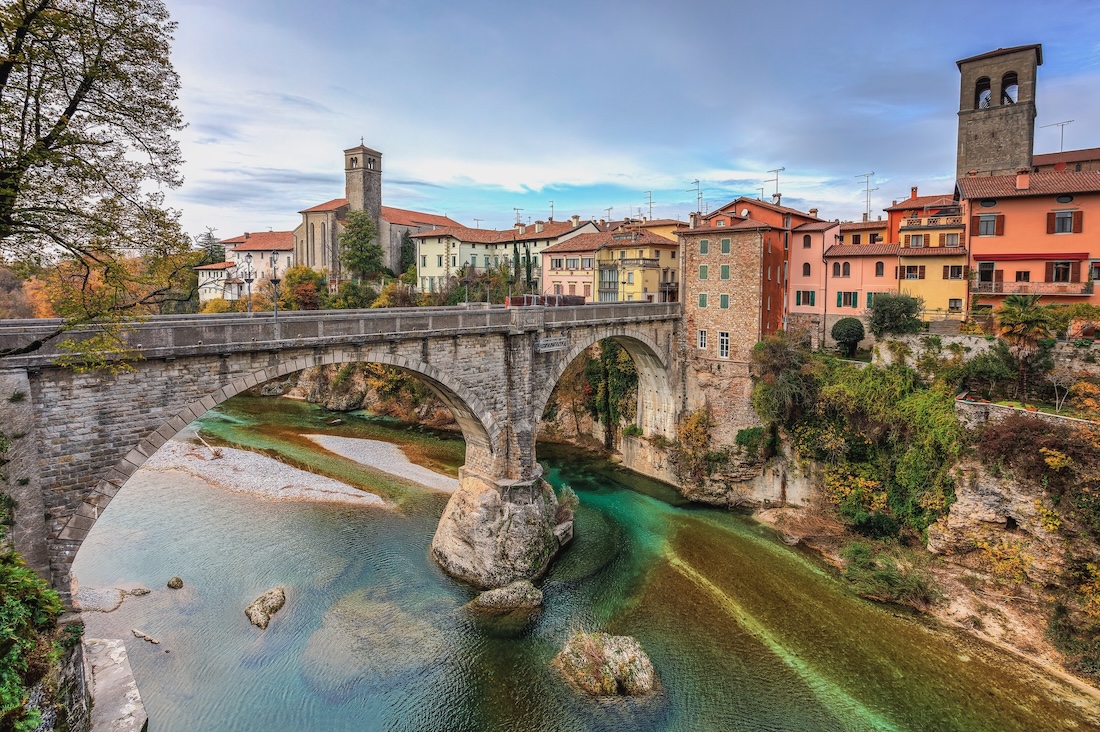
We’re currently based in Udine, in the Friuli Venezia Giulia region, and this year gives us something quite rare in our line of work: time. Time to stay in one place a little longer, to return to regions we know well and look at them more carefully, and to explore others we’ve been meaning to understand better for years.
Some of our travel this year is directly connected to the tours we already run. Some of it is research for future itineraries. And some of it is simply about seeing Italy with fresh eyes, without rushing from one appointment to the next.
Rather than compiling a grand “must-see” list, we thought we’d share a handful of regions that are very much on our radar in 2026, and what draws us to each of them.
Friuli Venezia Giulia
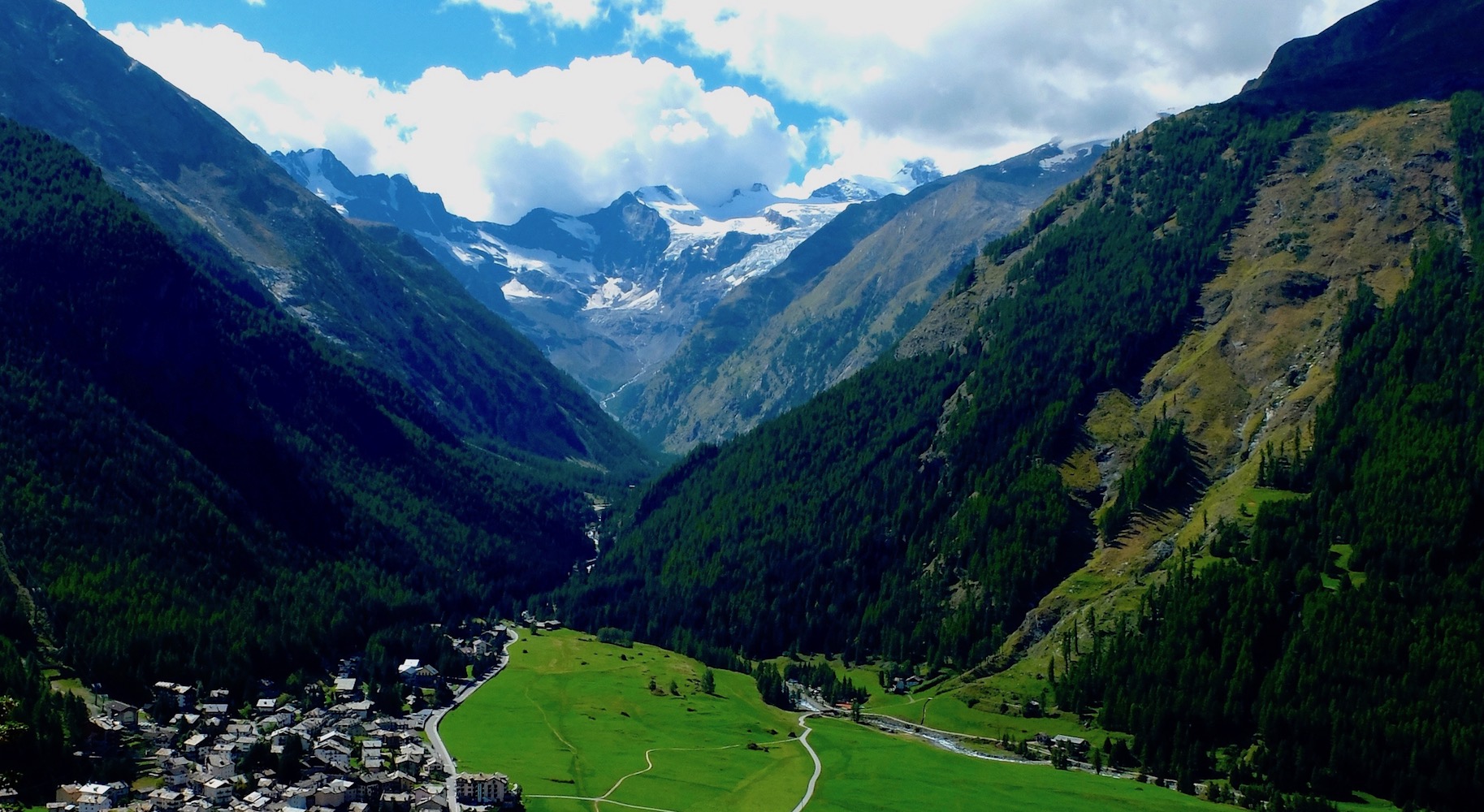
Being based in Friuli Venezia Giulia has given us the chance to spend time in places we might otherwise only pass through. We’ve been taking short trips into the Julian Alps, heading up to towns like Tarvisio and Malborghetto, enjoying the mountain scenery and the feeling of openness that comes with being so close to the border regions.
One city I’m particularly looking forward to getting to know better is Trieste. For centuries, it was the main port of the Austro-Hungarian Empire, and that layered history is still evident today in its regal architecture, broad squares, and elegant cafés. Set right on the sea, with a long waterfront promenade and a slightly different rhythm to much of Italy, it’s a place that appears both Italian and distinctly its own.
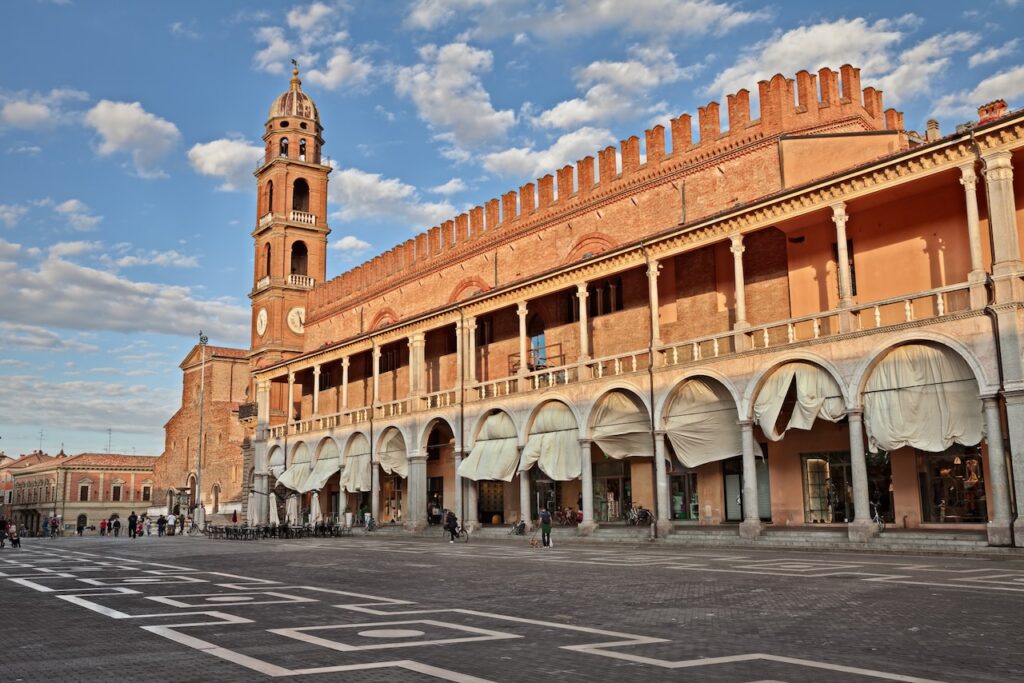
Faenza
Emilia-Romagna
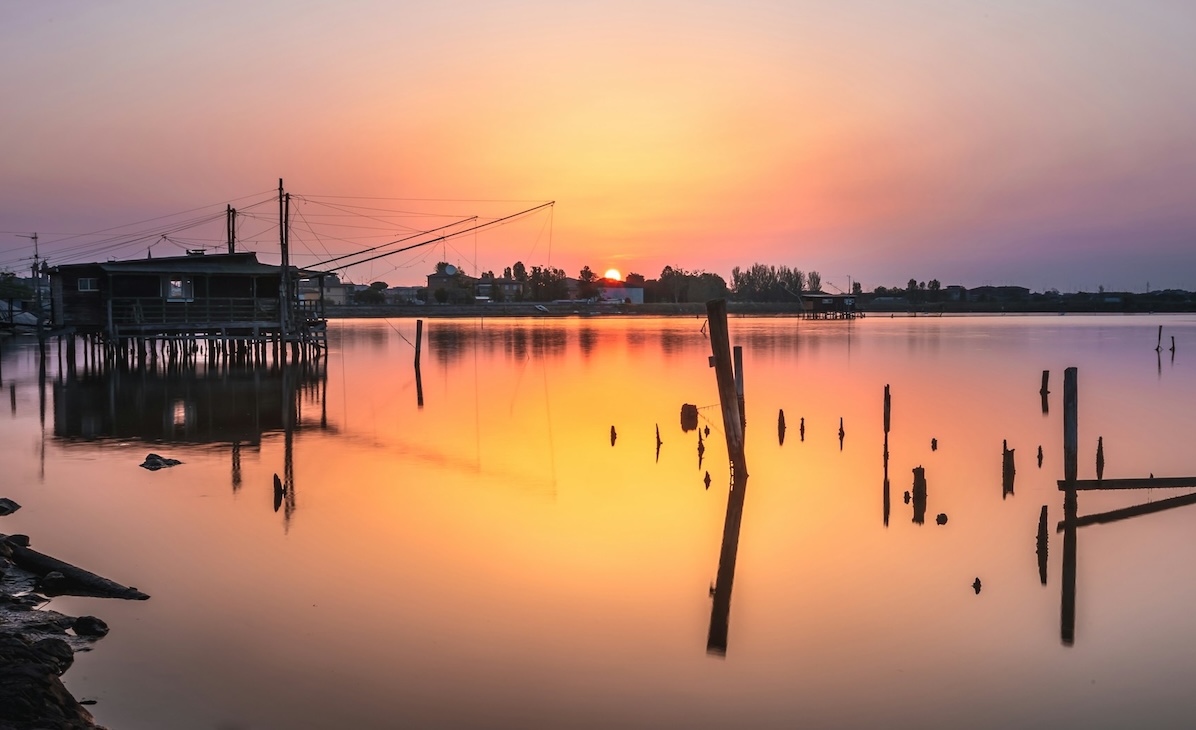
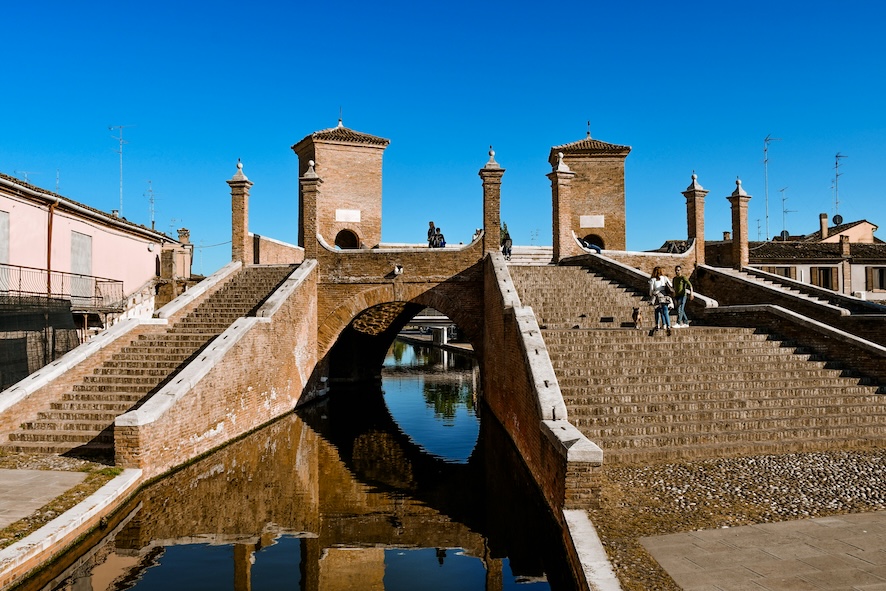
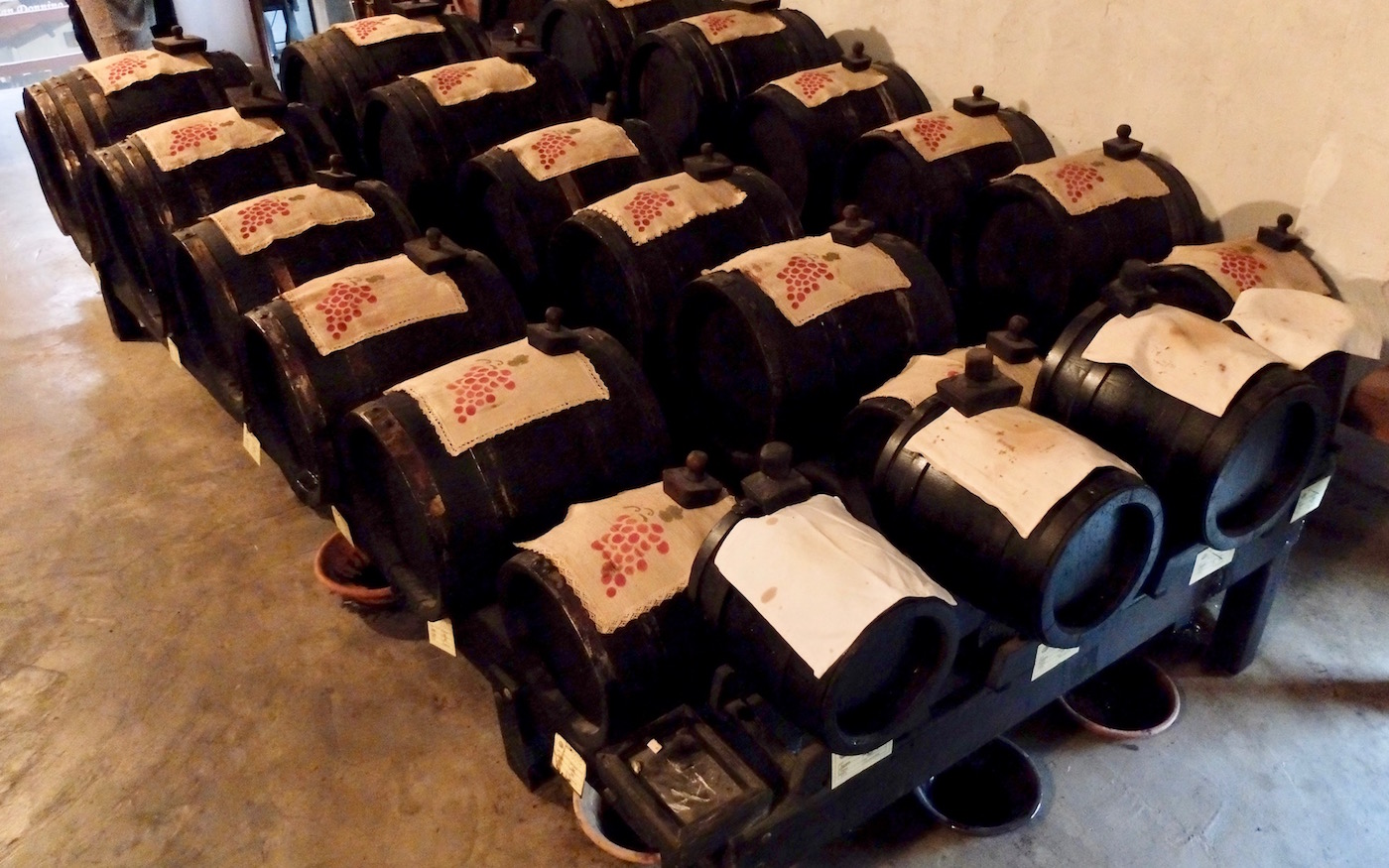
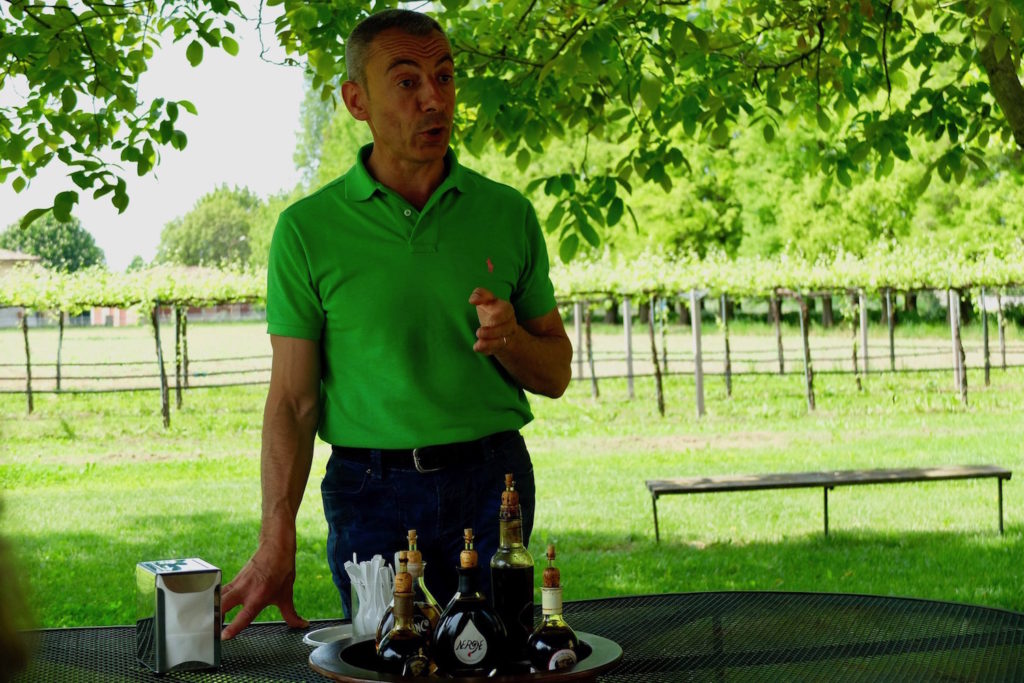
We’ll also be spending time in Emilia-Romagna this year as we prepare for our new tour in the region. We’re heading to Bologna in the coming weeks to reacquaint ourselves with the city and to revisit some of our favourite places. Bologna is fiercely proud of its culinary traditions; this is, after all, the home of tagliatelle al ragù, tortellini and mortadella, and that deep respect for traditional food culture is at the heart of the city.
Beyond Bologna, we’ll be spending time in the Romagna hills and in Faenza. Faenza has been associated with ceramics since the Renaissance, and even gave its name to “faience”, the tin-glazed pottery that was exported across Europe for centuries. Today, the city is not only attractive in its own right but home to a remarkable number of ceramic workshops, where traditional techniques sit comfortably alongside contemporary work. It’s a place where craft is still part of everyday life, and we’re looking forward to spending time there.
Sardinia
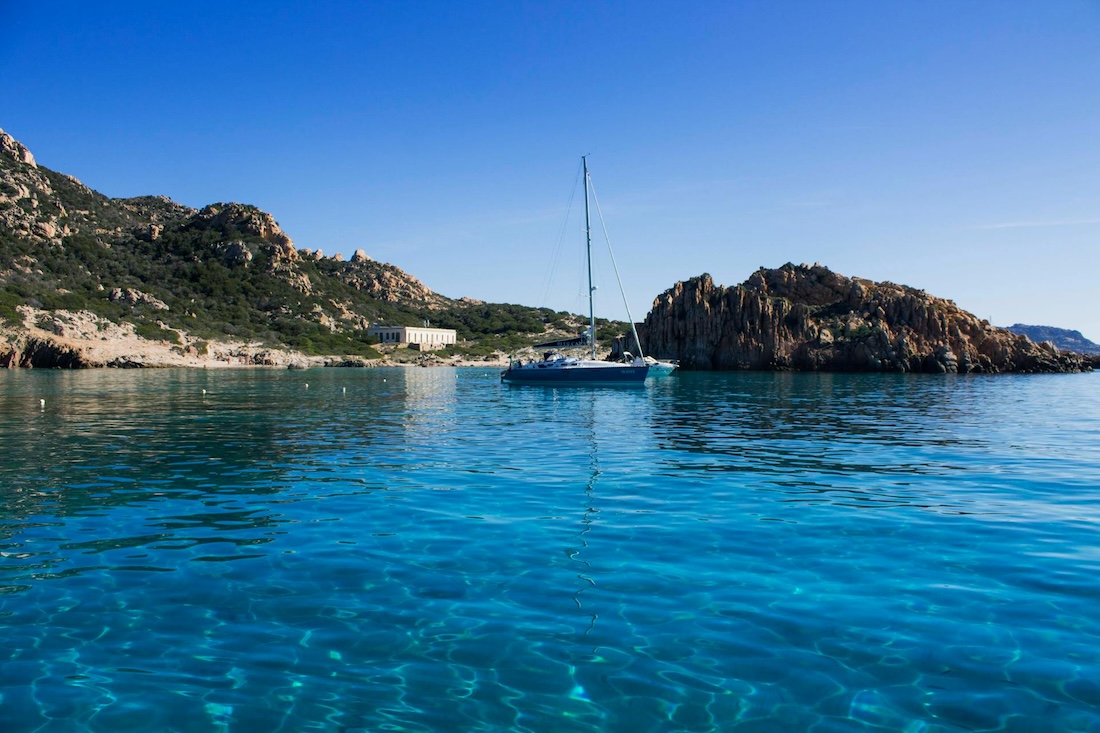
Sardinia is a place we’ve been curious about for a long time, but haven’t yet had the chance to explore properly. What draws us to it is the sense that it sits a little apart from the rest of Italy, defined by layers of history that feel quite distinct. The Nuragic civilisation, dating from roughly the Bronze Age (around 1800–500 BCE), is unique to the island, and that’s just one chapter in a long story that also includes Phoenician, Roman and later Spanish influences.
From what we’ve read and heard, Sardinia offers a striking mix of landscapes and cultures, from mountainous interiors and small rural communities to long coastlines defined by fishing and trade. Its food is often described as simple and closely tied to local produce, influenced by both pastoral life and the sea. We’re very much looking forward to getting to know it for ourselves.
The Dolomites
Every visit to the Dolomites is a reminder of just how beautiful this part of Italy is. As the weather warms up, we’re looking forward to spending more time there and getting to know the area on foot. Walking is one of the best ways to experience the Dolomites, allowing you to move through the landscape at a gentle pace and really take in the scale and variety of the scenery.
We’re currently considering a more walking-focused tour in the Dolomites. Not long or demanding hikes, but manageable walks, balanced with good local food and wine, and excursions to visit cultural sites and small local producers. It’s about spending time in the landscape without feeling hurried, and experiencing the region in a style that feels relaxed and well-rounded.
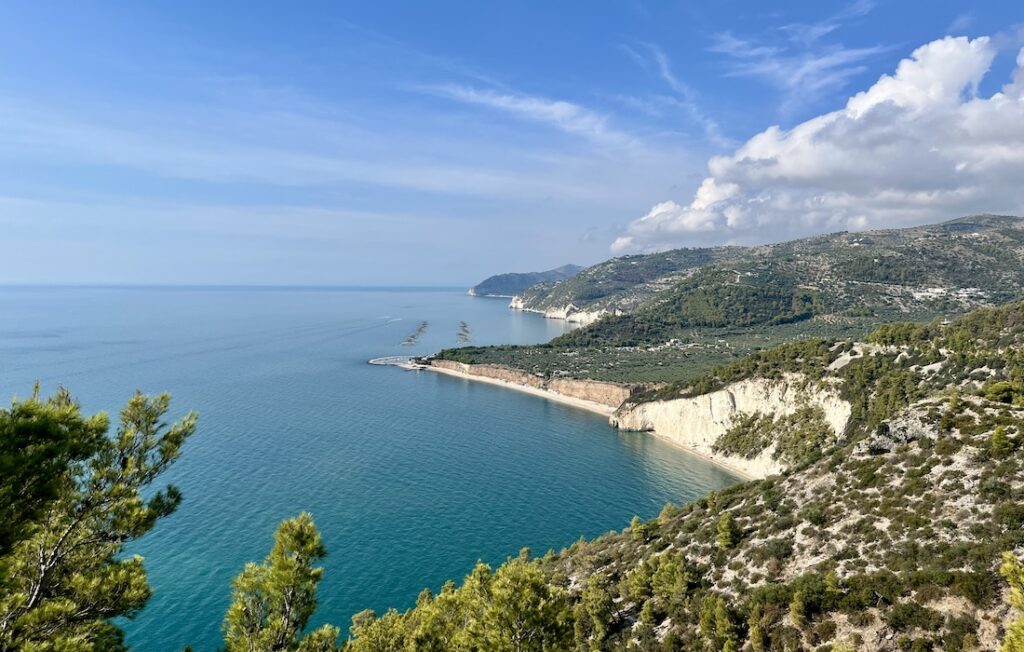
The Gargano coast
Puglia
And finally, Puglia. This is a region that continues to draw us back, for the warmth of the hospitality, the coastline, and the quality of the local food. Over the year ahead, we’ll be revisiting different parts of the region, from the Gargano Peninsula in the north to the Adriatic coast around Polignano a Mare and Bari, always with an eye to small details and new experiences.
Returning to Puglia year after year helps us make small, practical decisions about pacing, route choices, and where to spend our time.
Thinking of travelling with us in 2026?
If you’d like to experience Puglia with us, our 2026 The Road Less Travelled – Puglia tour still has limited availability for September and October departures.
Or join us in Emilia-Romagna in September 2026 as we explore Bologna, the Romagna hills and the region’s remarkable food traditions.